How Vaccines Train the Immune System,Your Body’s Built-In Security System
Your Body’s Built-In Security System
Have you ever stopped to think about
how incredible your body really is?
Every single second of the day, your immune system is working hard behind the scenes.
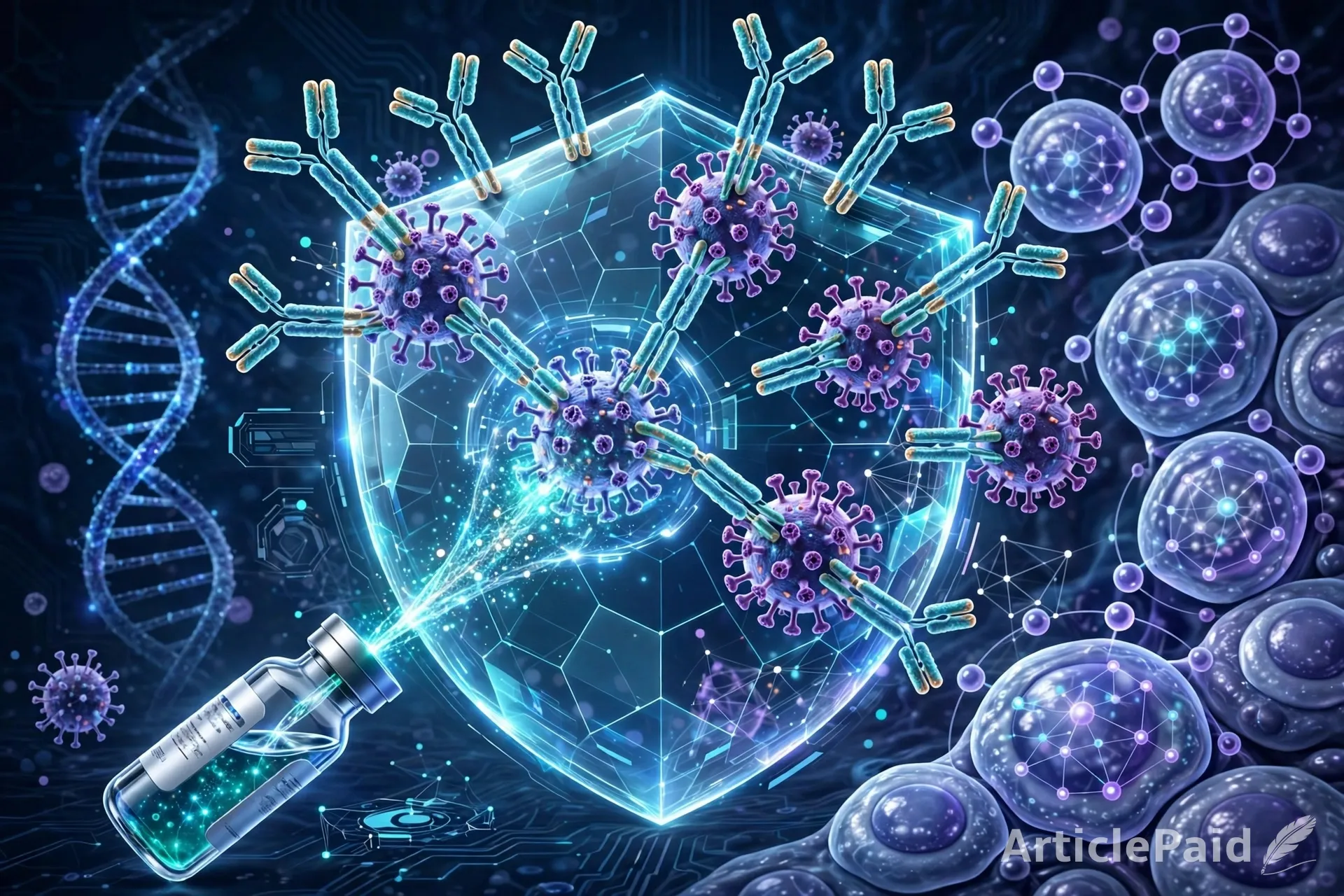
Think of it like a 24/7 security detail, keeping out unwanted bugs, bacteria, and viruses before they can ruin your day.
Most of the time, this security team handles everything effortlessly.
But every now and then, a brand-new, sneaky virus shows up—one your body has never encountered before.
When that happens, your immune system gets caught off guard. It can take several days to figure out what the invader looks like and build the right defenses.
By the time it does, you’re usually stuck in bed feeling miserable with a fever and sore muscles.
Enter Vaccines:
The Ultimate Fire Drill
That’s where vaccines step in to save the day.
A vaccine isn't really a heavy medicine; think of it more like a friendly practice session or a fire drill for your cells.
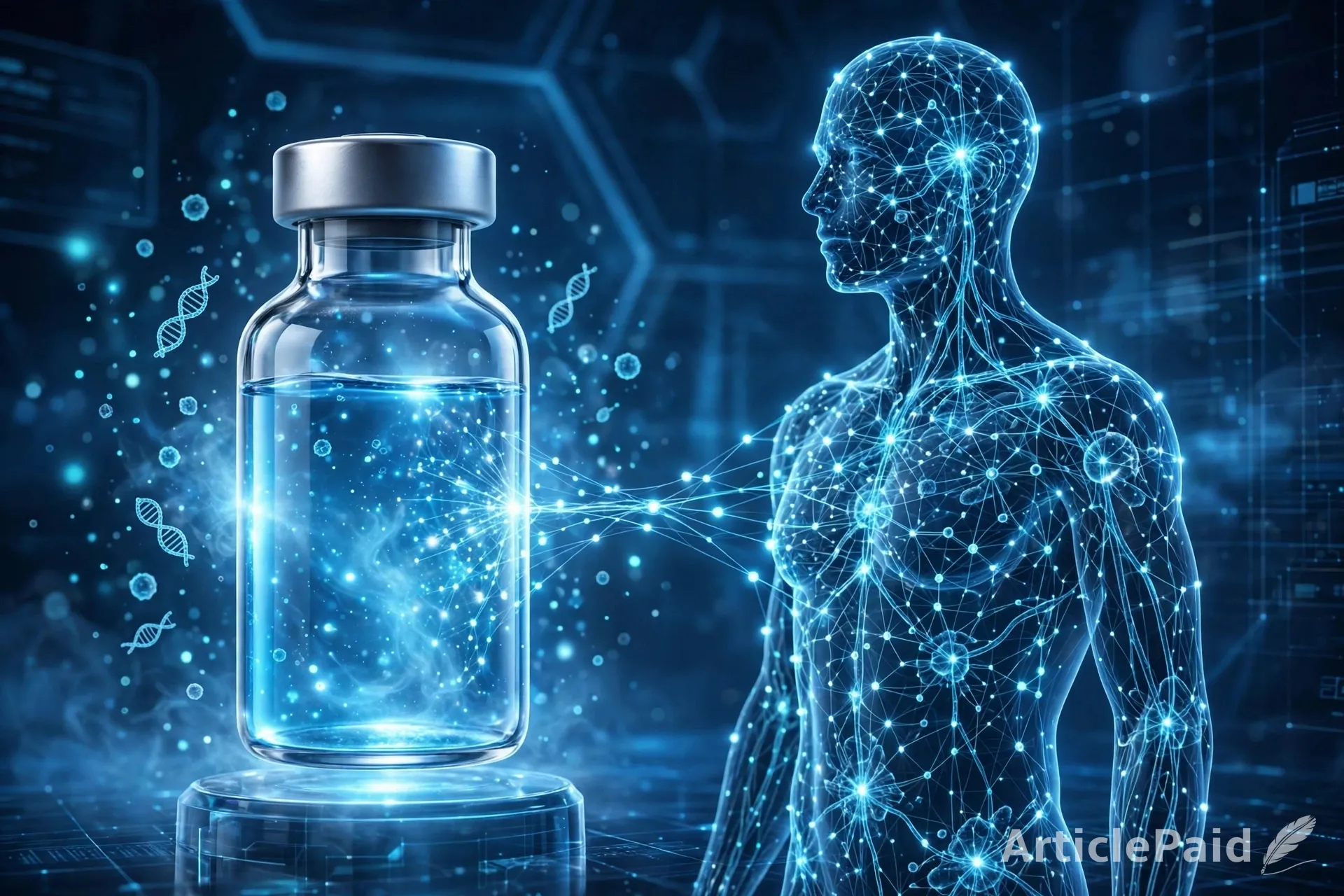
When you get a vaccine, you aren't being given the full-blown, dangerous disease. Instead, it introduces a completely harmless preview.
Depending on the type of vaccine, this might be a tiny piece of the germ, a weakened version that can’t cause harm, or simply a set of instructions (like mRNA) telling your cells how to make a single, non-threatening protein found on the virus.
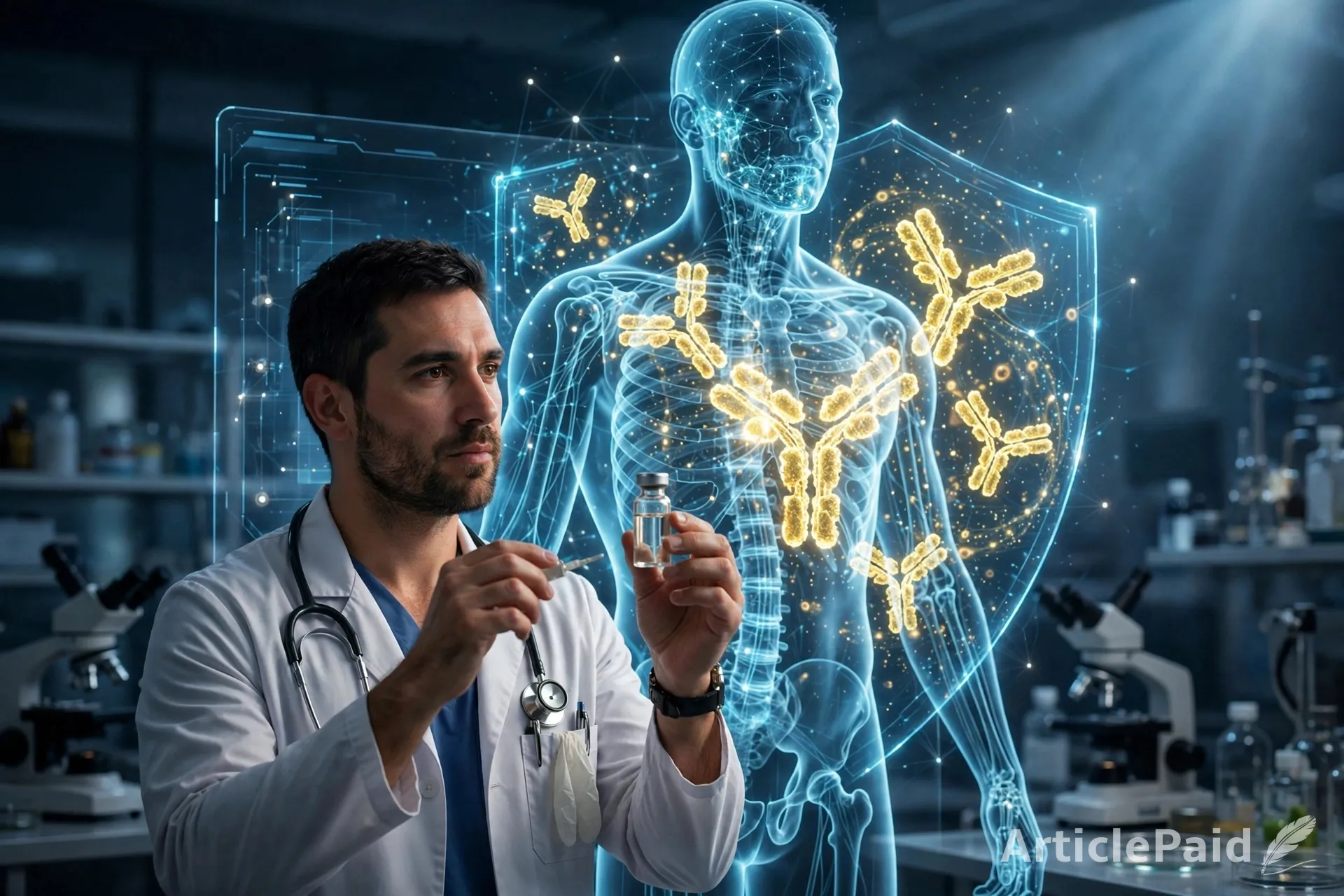
How Your Immune Crew Springs into Action
The moment this harmless preview enters your system, your internal alarm goes off. Your immune system spots it and says, "Wait a minute, you don’t belong here!"
Even though there’s zero real danger, your body treats it like a live exercise and dispatches its specialized defense team:
The Scouts (Macrophages):
They immediately track down the strange new particles, break them down, and report back to central command with all the details.
The Strategists (T-cells):
They organize the defense effort, signaling to the rest of the body that it’s time to gear up.
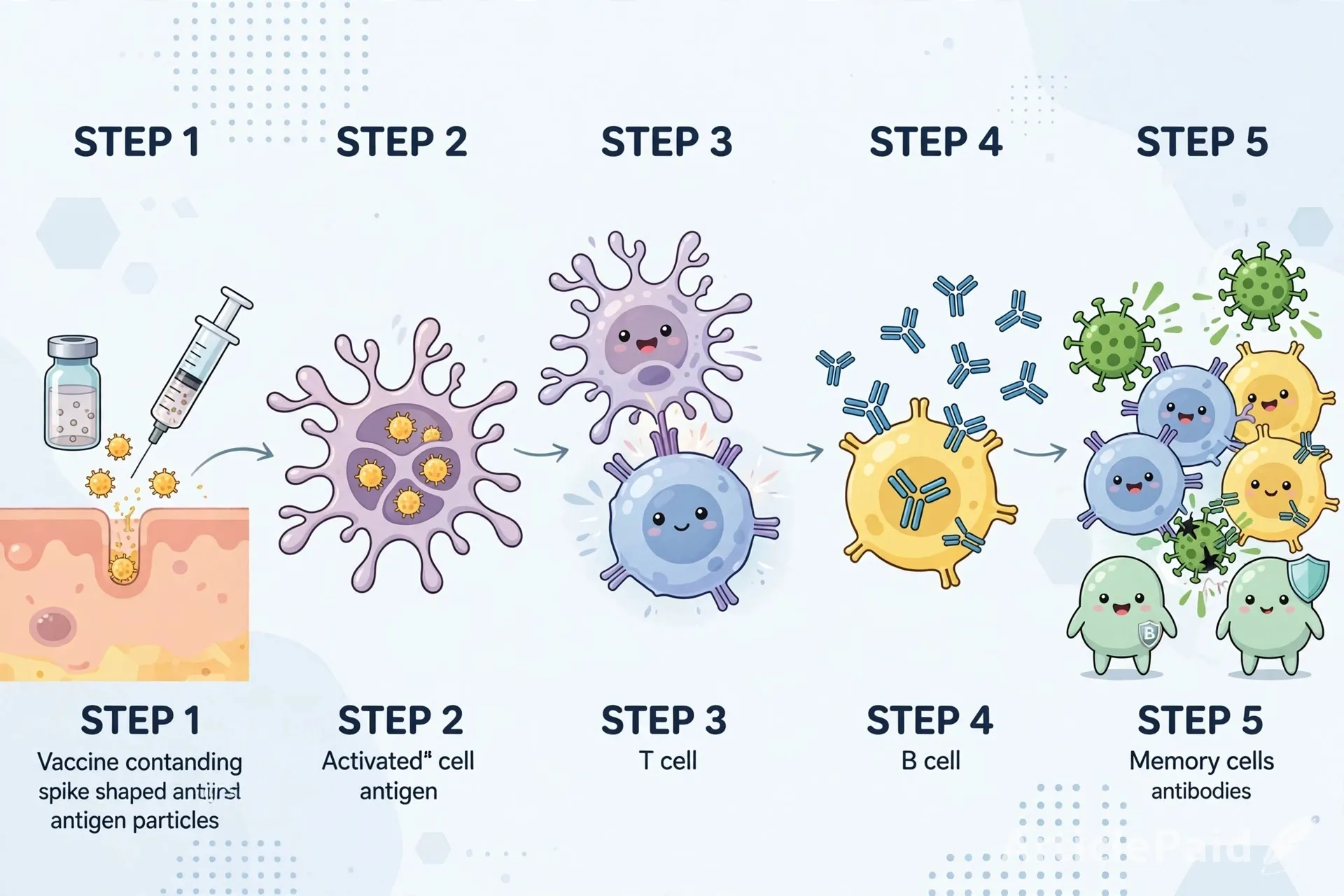
The Custom Weapon Makers (B-cells): These cellular engineers craft targeted, lock-and-key proteins called antibodies.
Each antibody is designed specifically to attach to that exact invader and neutralize it.
Because your body is designing these specialized antibodies for the very first time, it takes a little physical effort.
That’s why you might feel slightly tired or have a sore arm for a day or two after getting vaccinated. It’s actually a great sign—it means your immune system is hard at work training!
Building Long-Term Muscle Memory
Here is the most amazing part of the whole process: once the drill is over and the harmless vaccine pieces are cleared away, your body doesn't just forget what happened.
Instead, it creates specialized memory cells.
These cells stick around in your bloodstream for months, years, or even a lifetime, holding on to a detailed "wanted poster" of that specific virus.
If you ever encounter the actual, live virus in the real world later on, your immune system doesn’t waste time trying to figure out what to do. The memory cells recognize the threat instantly.
They raise the alarm and unleash a swift, overwhelming surge of custom antibodies before the virus can multiply or make you sick.
A Safe Way to Stay Protected
At the end of the day, vaccines are just a clever way of working with our natural biology.
They give our immune system a safe cheat code—letting it learn how to defend against serious illness without having to go through the pain and risk of a real infection first.
It's science and your body working hand-in-hand to keep you feeling your best!
Would you like to explore how different types of vaccines (like mRNA vs. traditional ones) work, or would you prefer a summary tailored for a specific audience?









Responses (0)