

You’ve probably been there. Texting someone almost every day, sharing late-night calls, weekend sleepovers, inside jokes, and genuine care… yet the second anyone asks “What are we?”, the conversation gets awkward or gets shut down with “Let’s just go with the flow.”
Welcome to the situationship the modern middle ground between friendship and a real relationship. It’s intimate, often exclusive in practice, but carefully free of labels, expectations, and long-term promises. And right now, a lot of people (especially Millennials and Gen Z) are actively choosing this gray area over traditional commitment.
So what’s actually driving the shift?
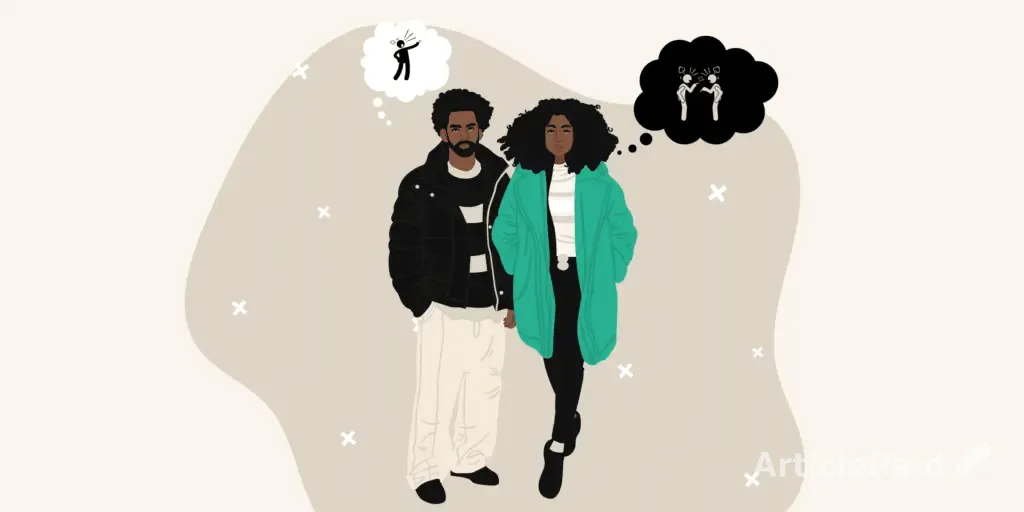
The Fear of Getting Hurt Feels Bigger Than the Desire for Clarity
Commitment used to feel like the goal. Now it often feels like a risk. Many people have watched parents divorce, friends go through messy breakups, or experienced their own heartbreaks that left them guarded. Defining a relationship means opening the door to potential rejection, disappointment, or the hard work of actually building something that lasts.
A situationship offers emotional and physical closeness with built-in protection. If things fall apart, there’s no official “breakup.” You can tell yourself it was never that serious. That emotional insurance is incredibly appealing when vulnerability feels expensive.
Dating Apps Created an Illusion of Endless Options
Swipe culture changed the game. When attractive people are constantly one swipe away, it’s easy to believe someone better, more compatible, or less complicated might appear tomorrow. Psychologists point out that the mere perception of alternatives lowers commitment — even when the current connection is good.
Why lock something in when the algorithm keeps showing you more possibilities? Situationships let people enjoy the benefits of a connection without closing the door on the next potential match.
Life Feels Too Uncertain for Heavy Emotional Investments
Careers are demanding. Housing is expensive. Student debt is real. Mental health is finally being taken seriously. A lot of people in their 20s and 30s are prioritizing stability, personal growth, and self-protection before diving into the emotional labor of a committed relationship.
A situationship fits neatly into a busy, unpredictable life. You get companionship and intimacy without the pressure of meeting parents, planning holidays together, or having the “where is this going?” talk every few months. It feels practical in a world that already feels overwhelming.
The Hope That It Will Eventually Become Something More
Here’s the quiet truth many people won’t admit: a lot of situationships are maintained because one (or both) people hope it will evolve into a real relationship. Research shows that emotional investment, occasional talks about the future, and feeling prioritized can keep people hanging on — even when the lack of a label is frustrating.
It becomes a kind of relationship purgatory. Comfortable enough to stay, uncertain enough to keep the fantasy alive.
Freedom and Independence Still Matter Deeply
For some, the choice is intentional and positive. Not every connection needs to become a lifelong partnership. Situationships can offer real companionship, affection, and fun without the traditional structure. Especially for people who value autonomy or are recovering from past relationships, the lack of pressure can feel healthier than forcing a label too soon.
The Downside Nobody Talks About Enough
While situationships can work for a season, the ambiguity often takes a toll. Many people eventually feel anxious, confused, or stuck. One person is usually more invested than the other. The constant low-level uncertainty can chip away at self-esteem and make it harder to move on when things inevitably shift.
That’s why we’re also seeing a growing pushback people getting tired of the gray area and craving clearer communication and real commitment again.
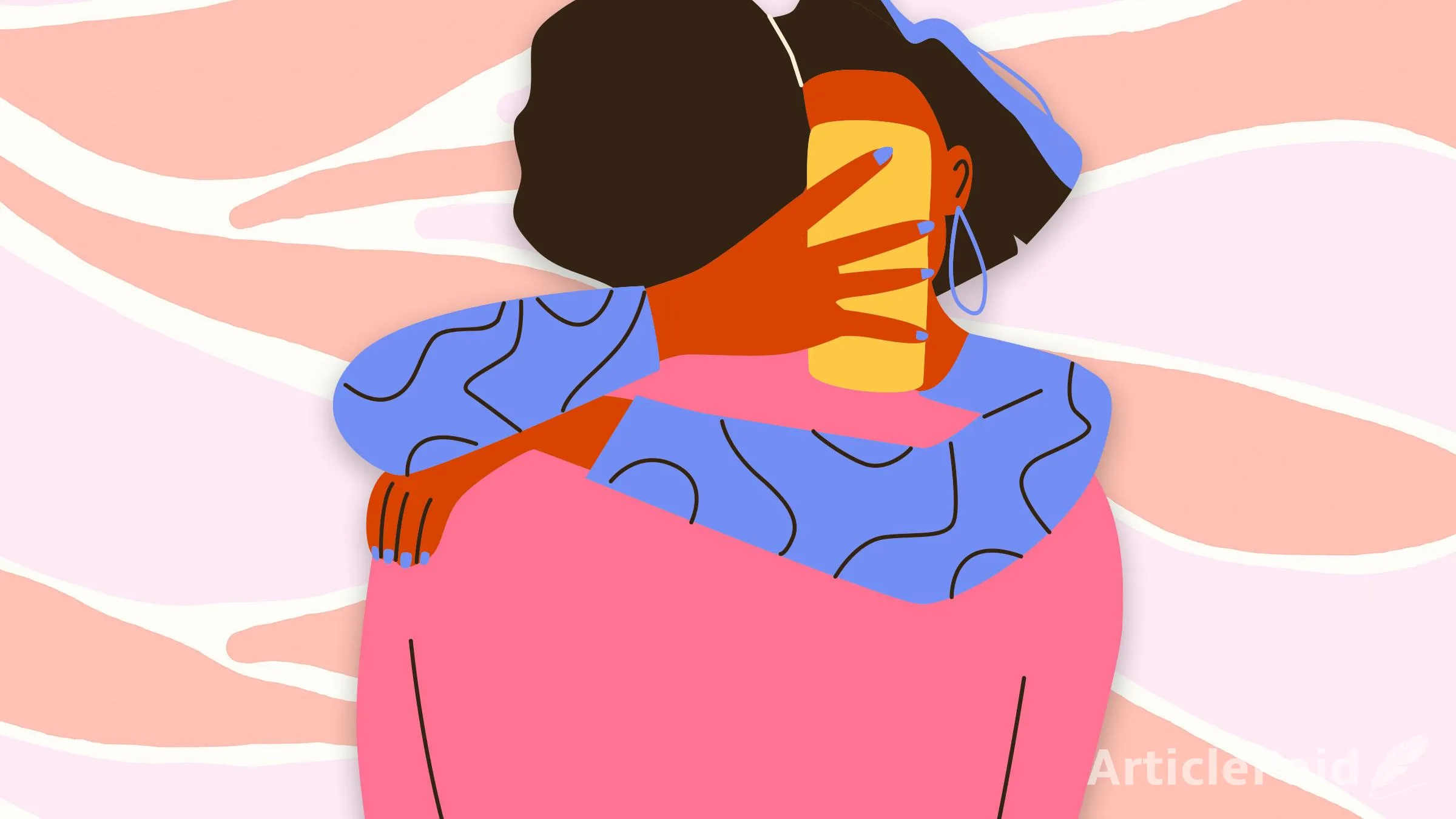
So Is Choosing a Situationship “Wrong”?
Not necessarily. Timing, honesty, and mutual understanding matter more than the label. If both people are genuinely on the same page and the arrangement serves them, it can be a healthy choice for a period of time.
The problems start when one person is quietly hoping for more while the other is content with the undefined status. Or when the situationship becomes a long-term avoidance strategy rather than a temporary chapter.
Modern dating is complicated. People aren’t necessarily afraid of love — they’re often just more cautious about the cost of getting it wrong. Situationships offer a way to stay connected without fully leaping.
Whether that ends up being freedom or just delayed heartbreak depends on the honesty both people are willing to bring to the table.
What about you? Have you found yourself in one of these gray-area connections, and how did it feel?















Responses (0)
Sign in to share your thoughts.
Sign in