
Why Time Feels Faster as You Get Older (The Science Behind It)
Have you ever looked at the calendar and wondered where the last few months went? When we are children, a single summer holiday can feel endless. We spend our days playing with friends, learning new things, and discovering the world around us. But as adults, the years often seem to pass much more quickly. Before we know it, another birthday arrives, another year ends, and we start wondering why time feels so different.
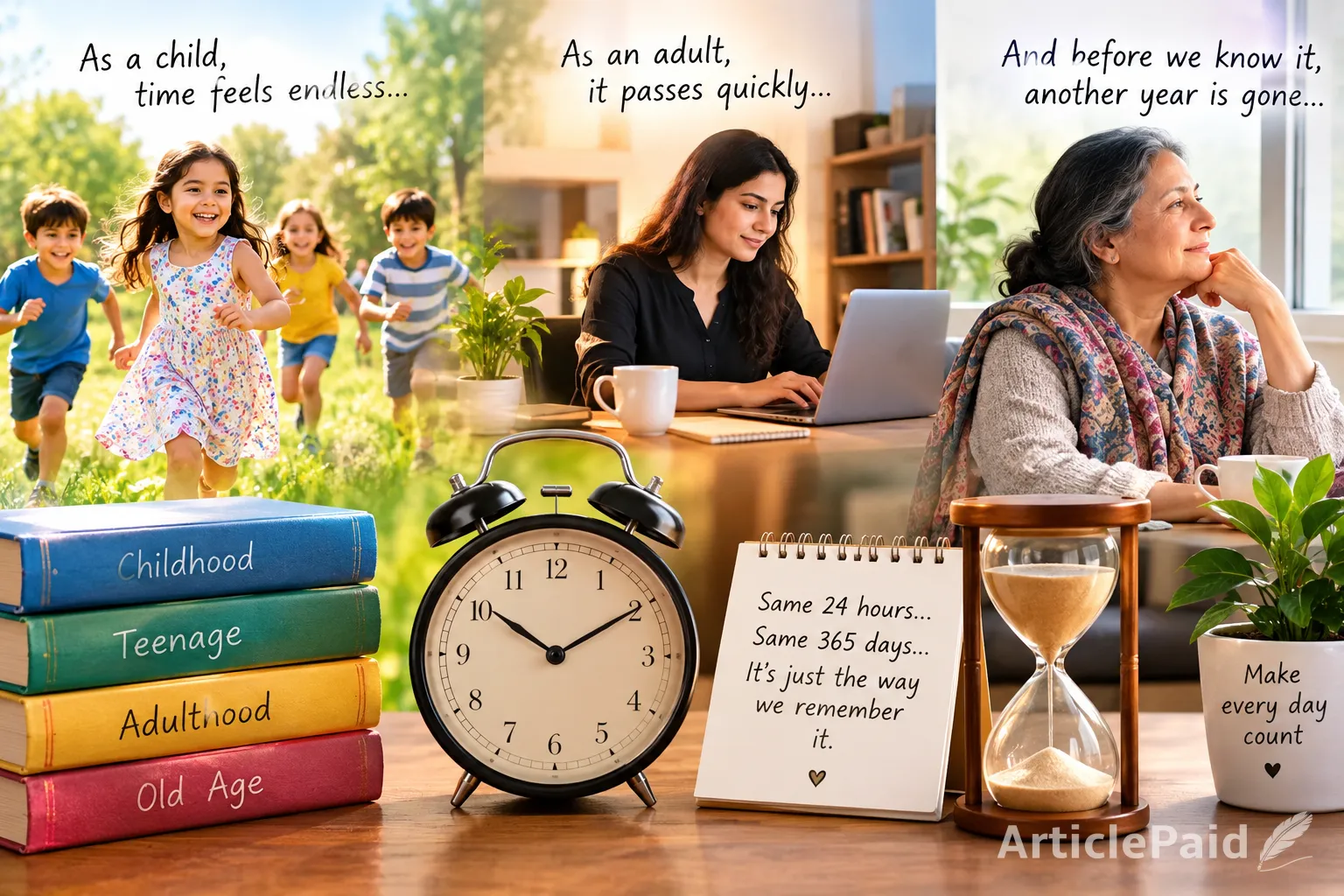
Interestingly, time itself does not speed up as we get older. A day still has 24 hours, and a year remains the same length. What changes is the way we experience and remember time. Psychologists believe that several factors, including memory, daily routines, attention, and new experiences, may help explain this familiar feeling.

Why Childhood Seems to Last Longer
One reason childhood can feel longer is that children experience many things for the first time. Starting school, making new friends, learning to ride a bicycle, and visiting unfamiliar places can all create strong memories.
As we grow older, many parts of life become more predictable. We may follow the same morning routine, complete similar tasks every day, and spend much of our time meeting work or family responsibilities. When days begin to feel alike, we may have fewer distinct memories to separate one week from another.
Looking back, a childhood filled with different experiences can seem much longer than an adult year spent following a familiar routine.
The Connection Between Memory and Time
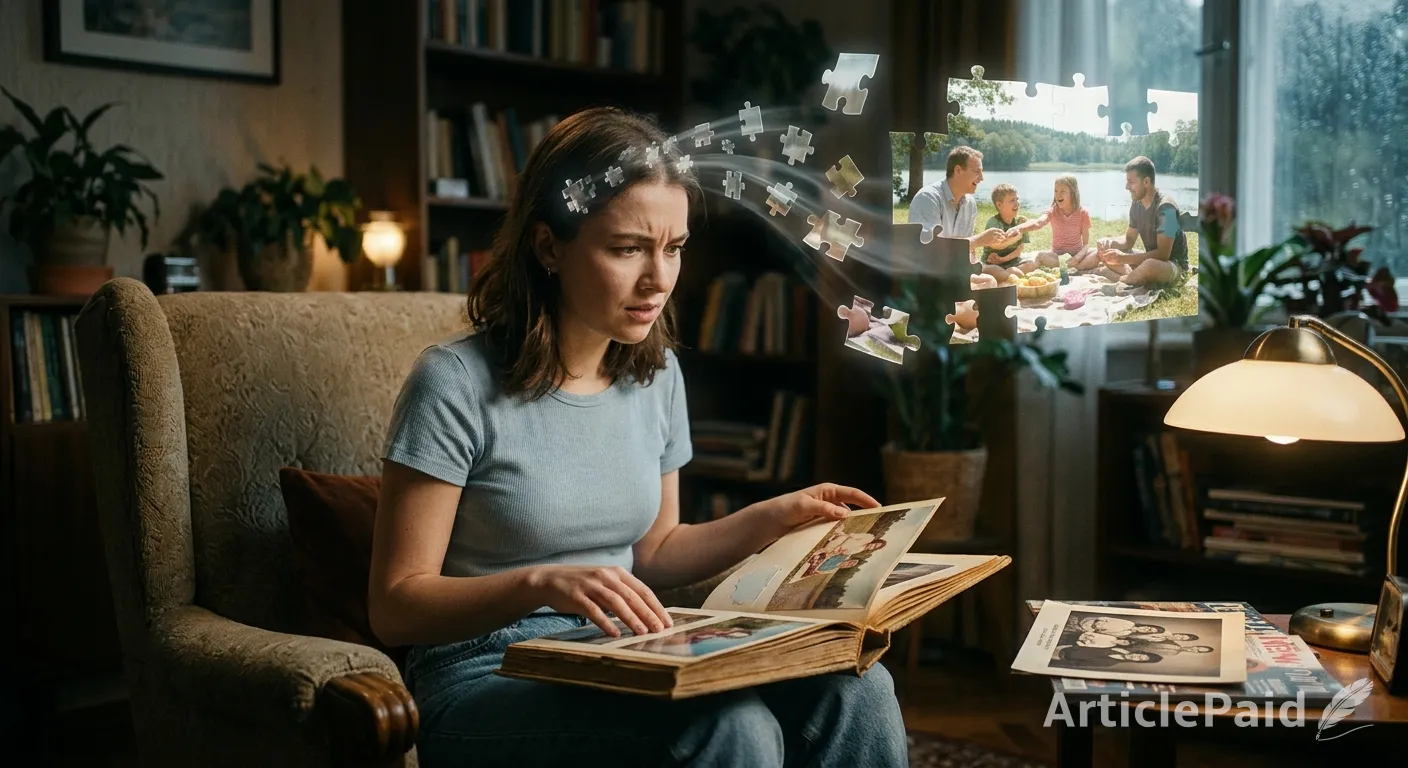
Memory plays an important role in how we understand the passage of time. We do not remember every moment of our lives equally. Instead, certain experiences stand out because they are unusual, emotional, or personally meaningful.
Think about a recent holiday. If you visited a new place, tried different foods, met people, and explored unfamiliar surroundings, you might remember many details. However, if you spent the same period doing your usual activities, those days might blend together in your memory.
This helps explain why a month can feel short when it is happening but seem longer when we look back on everything we experienced during it. The number of days has not changed; our memories have shaped our impression of the period.
Does Age Change Our Perception of Time?
Some researchers have suggested that time may feel faster with age because each new year represents a smaller proportion of our lives. For a five-year-old, one year is a significant part of their entire life. For a 50-year-old, that same year represents a much smaller proportion of their lived experience.
This idea is often called the proportional theory of time perception. It offers one possible explanation, although it does not fully explain why people experience time differently.
Scientists are still studying the relationship between age and subjective time. Memory, attention, emotions, and lifestyle may all contribute to the experience, and no single theory explains everyone's perception completely.
How Daily Routines Affect Our Experience
Our daily habits can also influence how quickly life seems to pass. When we repeat the same activities, we may stop paying close attention to them. Days become familiar, and we may struggle to recall what made one particular week different from another.
New experiences can make our days feel more distinctive. Learning a recipe, reading about an unfamiliar subject, visiting a new place, or starting a creative hobby gives the mind something different to notice and remember.
We do not need to make dramatic changes to our lives. Even small activities can add variety to an otherwise ordinary week.
Can We Make Time Feel More Meaningful?
Although we cannot slow down the clock, we can become more aware of how we spend our time.
One useful approach is to try something new regularly. It could be learning a skill, exploring a different walking route, or preparing a dish you have never cooked before. These experiences can give everyday life more variety.
Spending quality time with family and friends can also create meaningful memories. Instead of rushing through conversations, we can put our phones aside and give people our full attention.
Keeping a simple journal is another helpful habit. Writing down a few memorable moments at the end of each day can make it easier to look back and recognise how much has happened.
Most importantly, we should learn to appreciate ordinary moments. A quiet morning, a good conversation, or time spent enjoying a favourite hobby can be valuable even when nothing extraordinary happens.
Conclusion
The feeling that time moves faster as we grow older is common, but it does not mean that time itself is changing. Our memories, routines, attention, and experiences all influence how we perceive the passing years.
Childhood often feels longer because it contains so many new discoveries. Adult life, on the other hand, can become repetitive, making weeks and months harder to distinguish when we look back.
By staying curious, trying new things, building meaningful relationships, and paying attention to the present, we can make our days more memorable. We may not be able to control how quickly time seems to pass, but we can make better use of the time we have.



















Responses (0)
Sign in to share your thoughts.
Sign in