

Have you ever remembered a childhood moment so vividly that you could almost step back into it—only for a sibling or a parent to stare at you and say, "Wait, that never actually happened"?
Imagine being absolutely certain about a memory, seeing every little detail in your mind, and then discovering that the people who were supposedly there remember nothing of the sort. It can feel downright unsettling. If the scene feels so real, how could your brain have made it up?
The truth is, our brains aren't like video cameras recording life objectively onto a hard drive. They are more like creative storytellers, constantly stitching together pieces of the past to make sense of our lives.
Here is a look at why our minds create these "false memories," and why it's actually a sign of a brilliantly functioning brain.
1. Your Memory Works Like a Puzzle, Not a Video
We tend to think of our past as a collection of dusty video tapes stored in our mind, ready to be replayed whenever we want.
Neuroscience shows us it doesn't work like that at all. Every single time you pull up a memory, your brain actively rebuilds it from scratch. It gathers scattered pieces from different rooms in your head—a splash of emotion, a sudden whiff of perfume, or a vivid color—and fits them back together on the spot.
Because you rebuild a memory every time you visit it, the picture changes bit by bit. Over time, your brain smooths out the fuzzy parts, tweaks little details, and fills in gaps with what feels right.
2. Suggestion is Surprisingly Powerful
Our minds are a lot more porous than we like to admit, especially when we’re swapping stories with friends or family.
Have you ever heard someone tell a story about you so vividly that you started picturing it in real time? Psychologists call this the misinformation effect.
When someone plants a detail into a conversation ("Remember when you dropped your ice cream at the zoo?"), your imaginative brain starts sketching the scene. Once that image is drawn, your brain can easily mistake it for a real, lived experience and file it away in your memory bank.
3. Your Mind Hates Unfinished Stories
If there’s one thing your brain can’t stand, it’s a plot hole. Whenever there’s a gap in a story from your past, your mind steps in to bridge it using pure logic and habit.
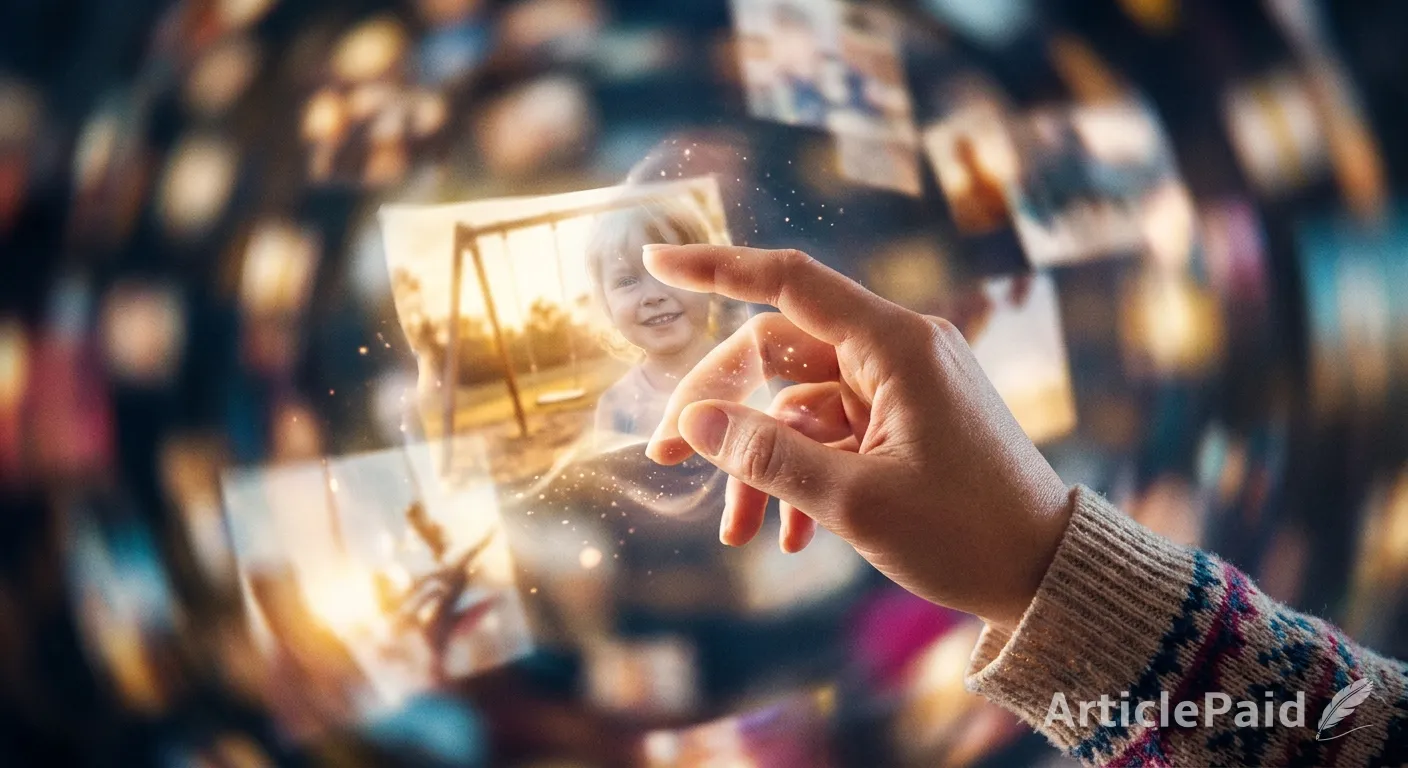
If you remember eating dinner at your favorite diner with your family years ago, your brain might automatically assume you ate pancakes—simply because you always ordered pancakes back then. Even if you tried something totally different that night, your mind uses your general habits to patch up the missing pieces, making the memory feel complete and seamless.
4. Today’s Mood Colors Yesterday’s Memories
How you're feeling right now has a sneaky way of changing how you see your past.
If you’re going through a rough patch with a friend, your brain starts digging up every single time they’ve let you down. Suddenly, it feels like they’ve always been unsupportive, even if 90% of your history together was fantastic.
Why Your Mind Works This Way (The Good News)
It can feel a little weird knowing your memory isn't 100% accurate, but this quirk is actually a brilliant design feature.

Your brain simply doesn't have the space to save every single detail—like what you wore on a random Tuesday three years ago or what you ate for lunch. Instead, it holds onto the lessons and the big picture to help you make sense of the world moving forward. Smoothing out minor details helps you build a clear sense of who you are without overwhelming your mental storage.
A Final Thought
At the end of the day, our memories are more like paintings than strict security camera footage. The next time you and a loved one remember the same day totally differently, try not to worry about who got it "right." Just enjoy the fact that our minds are constantly weaving stories, learning, and making life a little more colorful.
More from ArticlePaid
Top 10 Largest Tsunamis Ever Recorded in History
Discover the top 10 largest tsunamis ever recorded, including their origins, wave heights, destruction, and global impact throughout history.
2.9K views
0 comments
Will Humans Still Exist 1,000 Years From Now?
Will Humans Still Exist 1,000 Years From Now?Human beings have always dreamed of extending their lives. Today, we are living in an...
5 views
0 comments
How Did Ancient Trade Routes Influence Cultural Exchange?
Ancient trade routes like the Silk Road and Spice Route were more than just pathways for goods—they were vital channels for the exchange of ideas, religions, technologies, and cultures across continents. This article explores how these trade networks connected diverse civilizations, fostering cultural interaction and shaping the development of art, language, and beliefs. It highlights the lasting impact of ancient trade routes on globalization and cultural diversity in the world today.
275 views
0 comments
How Science Is Helping Us Understand a Changing Planet
Our planet is constantly changing, and science helps us understand what is happening beneath our feet, in the oceans, in the atmos...
8 views
0 comments
The Ocean's Amazing Role in Keeping Earth Livable
When we think about the ocean, we often imagine sandy beaches, crashing waves, colorful coral reefs, and fascinating marine animal...
13 views
0 comments
Why Time Feels Faster as You Get Older (The Science Behind It),
Have you ever caught yourself staring at a calendar wondering where the whole month went?When we were kids, summer break felt like...
2 views
0 comments
Light in the Darkness: The Hidden World and Marvels of Living Bioluminescence in
Light in the Darkness: The Hidden World and Marvels of Living Bioluminescence in NatureWhile humans rely on artificial electricity...
12 views
0 comments
Deep-Sea Bioluminescence: The Hidden World of Living Light in the Abyss
Beneath the ocean’s surface lies a world of pure darkness. No sunlight reaches beyond 1,000 meters. Yet this black abyss glows wit...
2 views
0 comments
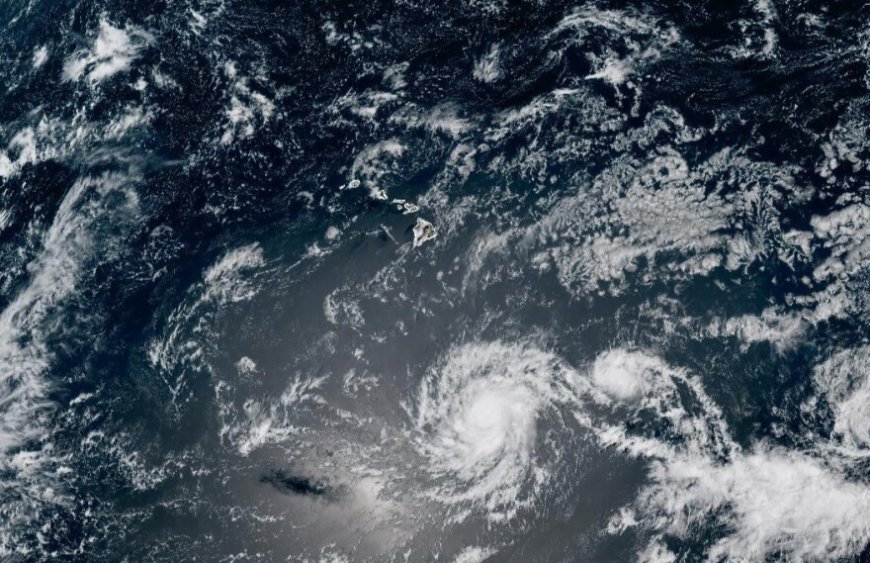
All you need to Know About Tropical Storm Keli
A detailed overview of Hurricane Iona and Tropical Storm Keli in the central Pacific—tracking their origins, intensities, paths, impacts, and outlook
146 views
0 comments
Weekly Top Articles

Easy Potato Cheese Balls Yammy and cryspy
Easy Potato Cheese Balls Recipe at Home Potato Cheese Balls Recipe is a delicious and easy snack that you can prepare at home with...

Sweet Memories Come from Good Taste #memories
Food is more than just something we eat to satisfy our hunger. It is a beautiful part of our lives that connects us with our emoti...
Why People Are Choosing Situationships Over Commitment,
You’ve probably been there. Texting someone almost every day, sharing late-night calls, weekend sleepovers, inside jokes, and genu...

Healthy soup for cold& cough- comforting Ginger Garlic soup
IntroductionWarm up with this easy, healthy and tasty homemade Ginger Garlic Soup. This soup has been made using fresh ingredients...

How Can I Use AI to Grow My Business and Make More Money in 2026?
IntroductionArtificial intelligence can make life easier for entrepreneurs, both big and small. Using artificial intelligence tool...
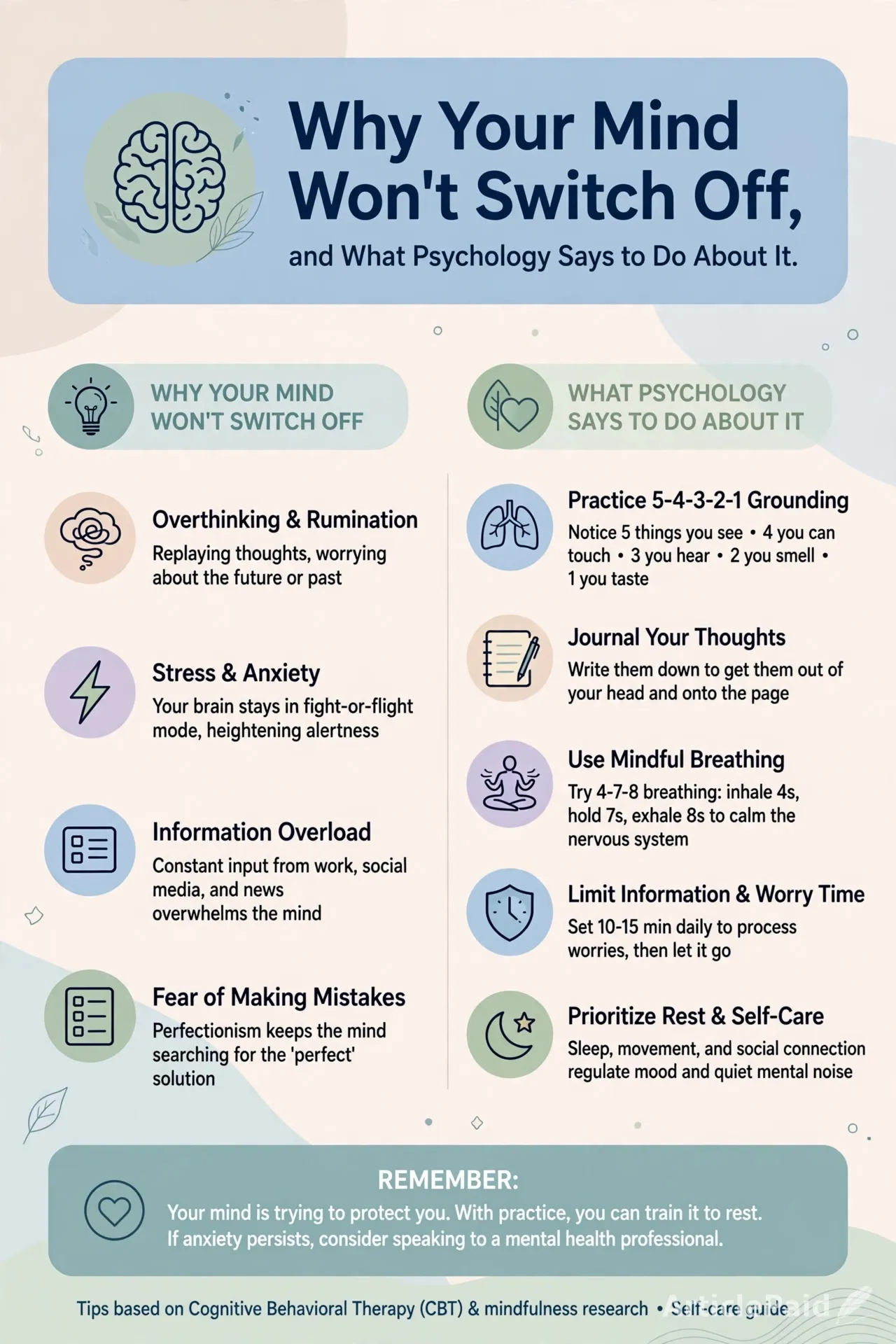
Why Your Mind Won't Switch Off, and What Psychology Says to Do About It
Last month's embarrassing text. Tomorrow's presentation. A decision you've already made but keep re-examining like it's evidence i...
Your brain simply doesn't have the space to save every single detail—like what you wore on a random Tuesday three years ago or what you ate for lunch. Instead, it holds onto the lessons and the big picture to help you make sense of the world moving forward. Smoothing out minor details helps you build a clear sense of who you are without overwhelming your mental storage.
A Final Thought
At the end of the day, our memories are more like paintings than strict security camera footage. The next time you and a loved one remember the same day totally differently, try not to worry about who got it "right." Just enjoy the fact that our minds are constantly weaving stories, learning, and making life a little more colorful.
More from ArticlePaid
Top 10 Largest Tsunamis Ever Recorded in History
Discover the top 10 largest tsunamis ever recorded, including their origins, wave heights, destruction, and global impact throughout history.
2.9K views
0 comments
Will Humans Still Exist 1,000 Years From Now?
Will Humans Still Exist 1,000 Years From Now?Human beings have always dreamed of extending their lives. Today, we are living in an...
5 views
0 comments
How Did Ancient Trade Routes Influence Cultural Exchange?
Ancient trade routes like the Silk Road and Spice Route were more than just pathways for goods—they were vital channels for the exchange of ideas, religions, technologies, and cultures across continents. This article explores how these trade networks connected diverse civilizations, fostering cultural interaction and shaping the development of art, language, and beliefs. It highlights the lasting impact of ancient trade routes on globalization and cultural diversity in the world today.
275 views
0 comments
How Science Is Helping Us Understand a Changing Planet
Our planet is constantly changing, and science helps us understand what is happening beneath our feet, in the oceans, in the atmos...
8 views
0 comments
The Ocean's Amazing Role in Keeping Earth Livable
When we think about the ocean, we often imagine sandy beaches, crashing waves, colorful coral reefs, and fascinating marine animal...
13 views
0 comments
Why Time Feels Faster as You Get Older (The Science Behind It),
Have you ever caught yourself staring at a calendar wondering where the whole month went?When we were kids, summer break felt like...
2 views
0 comments
Light in the Darkness: The Hidden World and Marvels of Living Bioluminescence in
Light in the Darkness: The Hidden World and Marvels of Living Bioluminescence in NatureWhile humans rely on artificial electricity...
12 views
0 comments
Deep-Sea Bioluminescence: The Hidden World of Living Light in the Abyss
Beneath the ocean’s surface lies a world of pure darkness. No sunlight reaches beyond 1,000 meters. Yet this black abyss glows wit...
2 views
0 comments
All you need to Know About Tropical Storm Keli
A detailed overview of Hurricane Iona and Tropical Storm Keli in the central Pacific—tracking their origins, intensities, paths, impacts, and outlook
146 views
0 comments
Weekly Top Articles
Easy Potato Cheese Balls Yammy and cryspy
Easy Potato Cheese Balls Recipe at Home Potato Cheese Balls Recipe is a delicious and easy snack that you can prepare at home with...
Sweet Memories Come from Good Taste #memories
Food is more than just something we eat to satisfy our hunger. It is a beautiful part of our lives that connects us with our emoti...
Why People Are Choosing Situationships Over Commitment,
You’ve probably been there. Texting someone almost every day, sharing late-night calls, weekend sleepovers, inside jokes, and genu...
Healthy soup for cold& cough- comforting Ginger Garlic soup
IntroductionWarm up with this easy, healthy and tasty homemade Ginger Garlic Soup. This soup has been made using fresh ingredients...
How Can I Use AI to Grow My Business and Make More Money in 2026?
IntroductionArtificial intelligence can make life easier for entrepreneurs, both big and small. Using artificial intelligence tool...
Why Your Mind Won't Switch Off, and What Psychology Says to Do About It
Last month's embarrassing text. Tomorrow's presentation. A decision you've already made but keep re-examining like it's evidence i...
At the end of the day, our memories are more like paintings than strict security camera footage. The next time you and a loved one remember the same day totally differently, try not to worry about who got it "right." Just enjoy the fact that our minds are constantly weaving stories, learning, and making life a little more colorful.
More from ArticlePaid
Top 10 Largest Tsunamis Ever Recorded in History
Discover the top 10 largest tsunamis ever recorded, including their origins, wave heights, destruction, and global impact throughout history.
Will Humans Still Exist 1,000 Years From Now?
Will Humans Still Exist 1,000 Years From Now?Human beings have always dreamed of extending their lives. Today, we are living in an...
How Did Ancient Trade Routes Influence Cultural Exchange?
Ancient trade routes like the Silk Road and Spice Route were more than just pathways for goods—they were vital channels for the exchange of ideas, religions, technologies, and cultures across continents. This article explores how these trade networks connected diverse civilizations, fostering cultural interaction and shaping the development of art, language, and beliefs. It highlights the lasting impact of ancient trade routes on globalization and cultural diversity in the world today.
How Science Is Helping Us Understand a Changing Planet
Our planet is constantly changing, and science helps us understand what is happening beneath our feet, in the oceans, in the atmos...
The Ocean's Amazing Role in Keeping Earth Livable
When we think about the ocean, we often imagine sandy beaches, crashing waves, colorful coral reefs, and fascinating marine animal...
Why Time Feels Faster as You Get Older (The Science Behind It),
Have you ever caught yourself staring at a calendar wondering where the whole month went?When we were kids, summer break felt like...
Light in the Darkness: The Hidden World and Marvels of Living Bioluminescence in
Light in the Darkness: The Hidden World and Marvels of Living Bioluminescence in NatureWhile humans rely on artificial electricity...
Deep-Sea Bioluminescence: The Hidden World of Living Light in the Abyss
Beneath the ocean’s surface lies a world of pure darkness. No sunlight reaches beyond 1,000 meters. Yet this black abyss glows wit...
All you need to Know About Tropical Storm Keli
A detailed overview of Hurricane Iona and Tropical Storm Keli in the central Pacific—tracking their origins, intensities, paths, impacts, and outlook
Weekly Top Articles
Easy Potato Cheese Balls Yammy and cryspy
Easy Potato Cheese Balls Recipe at Home Potato Cheese Balls Recipe is a delicious and easy snack that you can prepare at home with...
Sweet Memories Come from Good Taste #memories
Food is more than just something we eat to satisfy our hunger. It is a beautiful part of our lives that connects us with our emoti...
Why People Are Choosing Situationships Over Commitment,
You’ve probably been there. Texting someone almost every day, sharing late-night calls, weekend sleepovers, inside jokes, and genu...
Healthy soup for cold& cough- comforting Ginger Garlic soup
IntroductionWarm up with this easy, healthy and tasty homemade Ginger Garlic Soup. This soup has been made using fresh ingredients...
How Can I Use AI to Grow My Business and Make More Money in 2026?
IntroductionArtificial intelligence can make life easier for entrepreneurs, both big and small. Using artificial intelligence tool...
Why Your Mind Won't Switch Off, and What Psychology Says to Do About It
Last month's embarrassing text. Tomorrow's presentation. A decision you've already made but keep re-examining like it's evidence i...






Responses (0)
Sign in to share your thoughts.
Sign in