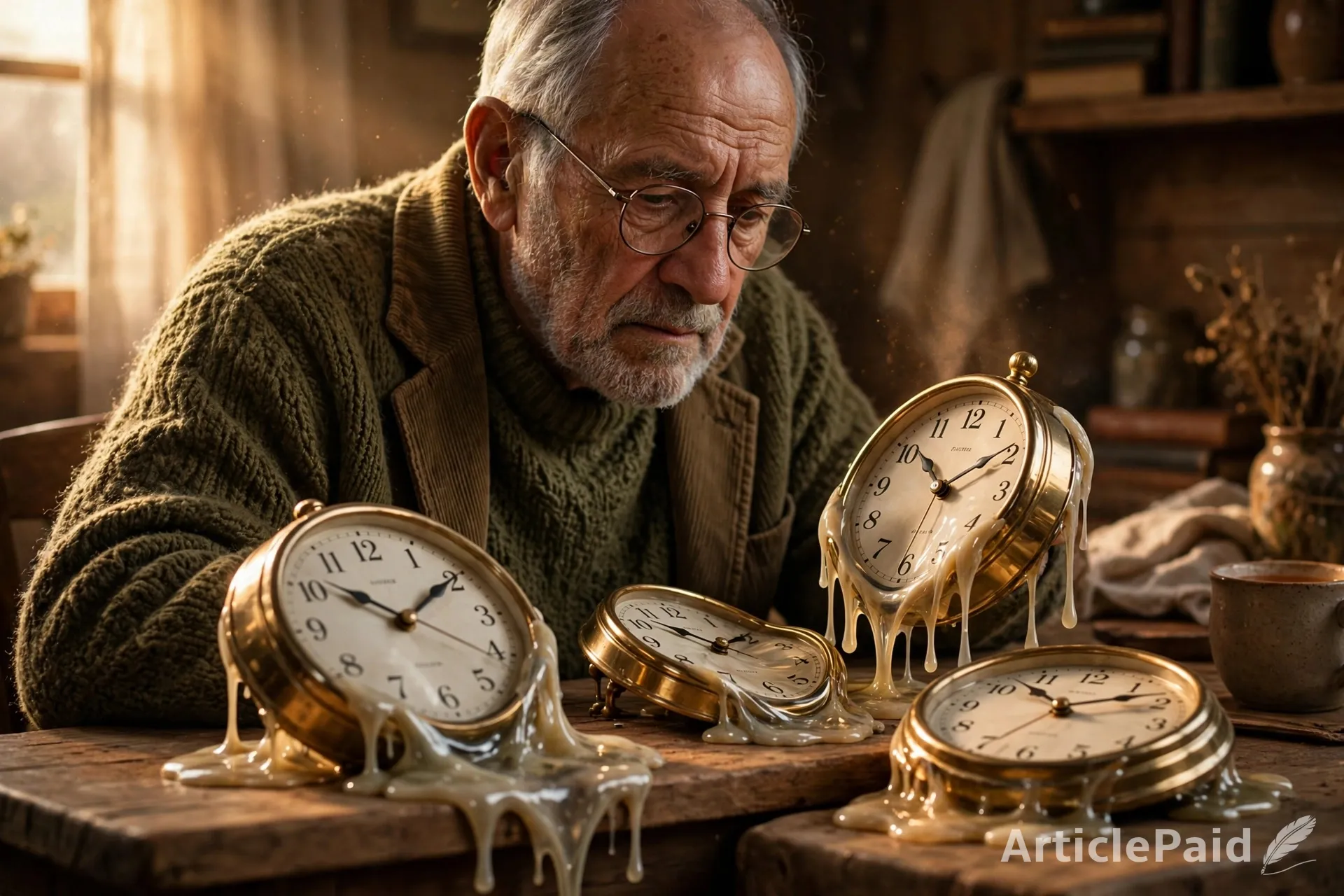
Have you ever caught yourself staring at a calendar wondering where the whole month went?
When we were kids, summer break felt like an entire lifetime. A single afternoon playing outside stretched on forever.
But nowadays? You blink, and suddenly another year is wrapping up. It isn’t just in your head—almost everyone feels time moving faster as they get older.
So why does this happen? Is time actually slipping away, or is our mind just playing tricks on us?
It turns out scientists and psychologists have looked into this quite a bit, and there are a few very clear reasons why time feels so different as the years add up.
The Math of Getting Older
One of the simplest ways to look at this comes down to pure proportion.
When you’re 5 years old, a single year is 20% of your entire life.
That’s a massive chunk of your existence! Every single birthday is a huge milestone because you haven’t lived through many of them yet.
By the time you turn 50, one year is only 2% of your life.
Because each passing year is a much smaller piece of the total time you’ve been alive, your brain naturally registers it as a shorter period.
A decade at age 10 feels endless; a decade at age 40 feels like a quick chapter.
The Routine Trap
Think back to childhood. Almost everything was new.
You were constantly learning, meeting people, visiting new spots, and trying things for the very first time.
When your brain handles brand-new experiences, it works extra hard to store deep, detailed memories.
When you look back on those years, your brain sees a packed timeline full of distinct events, making that period feel long and rich.
As adults, routine takes over. We wake up, commute, do our work, run errands, watch something, and go to sleep.
When your days look mostly the same, your brain switches to autopilot.
It stops saving detailed memory files for repetitive things, like driving the same road or making your morning tea.
At the end of the year, your brain looks back and finds fewer unique "pins" on the map.
Without those distinct memories to space things out, the whole year compresses into a blur.
Slower Signal Processing
There is also a physical side to how we process time.
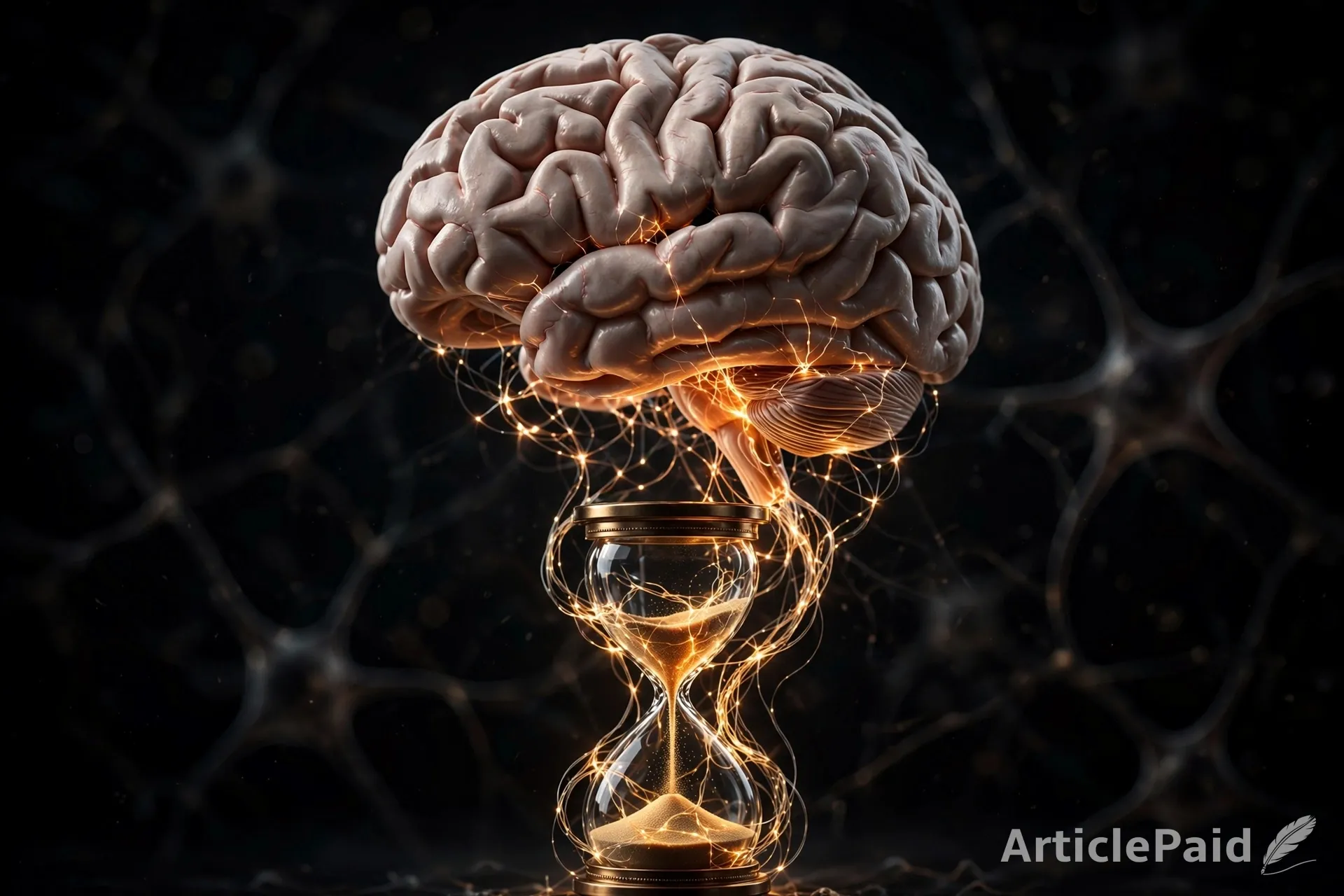
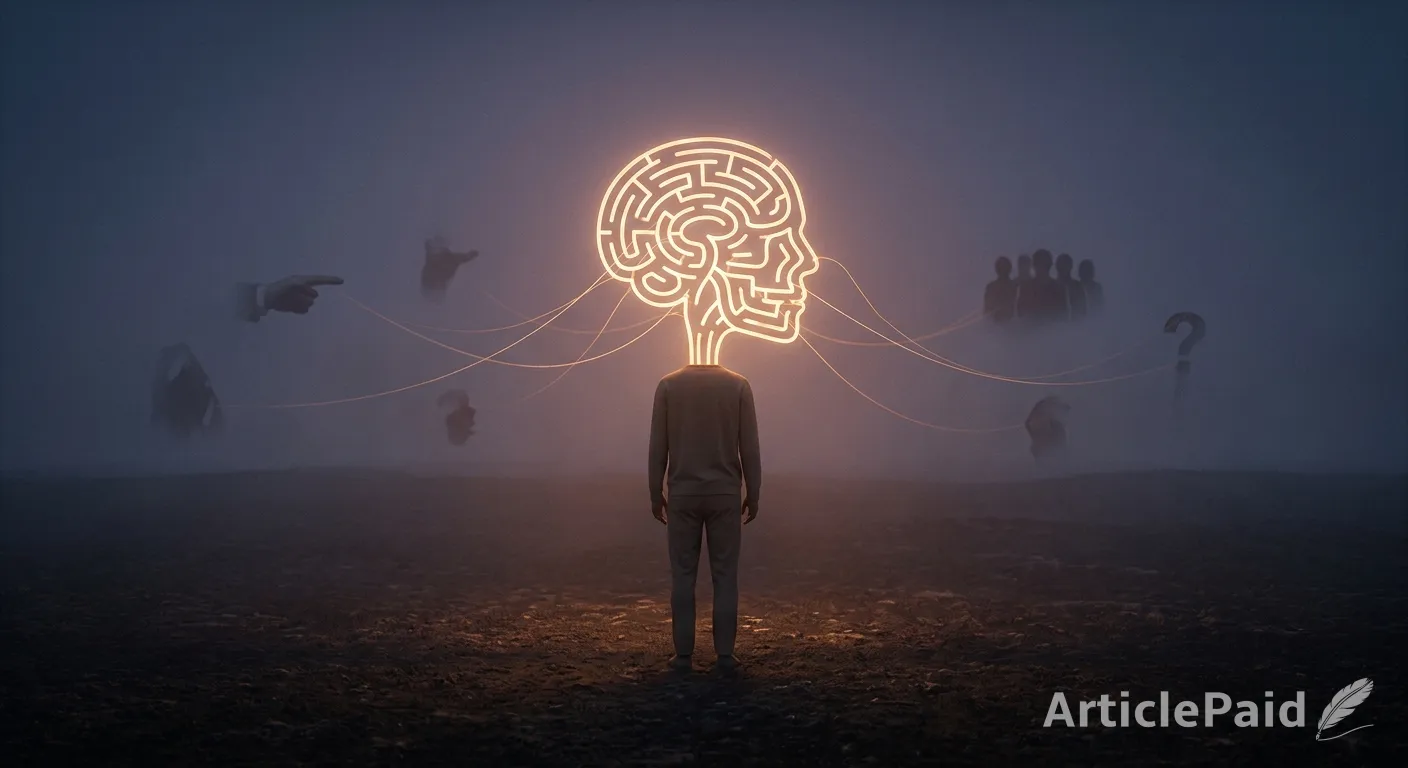
Neuroscientists note that our perception of time links directly to how fast our brains process visual information. Kids have fresh, highly active neural paths.
They take in a lot of visual data per second, creating a high-resolution mental log of every moment.
As we age, those neural pathways get longer and more complex, so processing slows down slightly.
Because your brain captures fewer "frames" per second as you get older, the moments feel like they pass by much quicker.
Living in the Future
When you’re young, someone else manages your schedule. You don't worry about deadlines, bills, or packed calendars. You mostly just live in the moment.
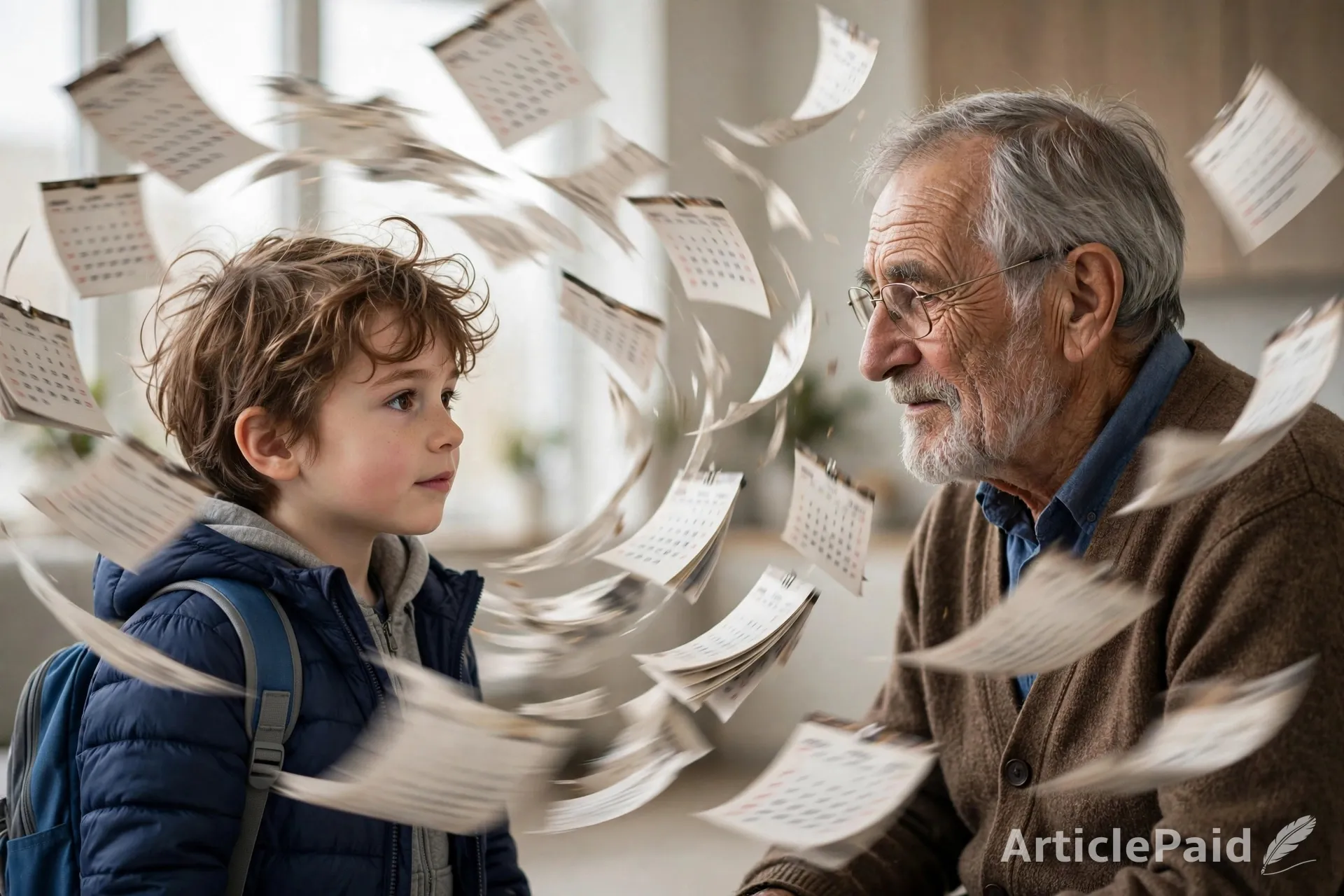
As adults, we are almost always looking ahead. We plan dinner while eating lunch, think about tomorrow’s workload during the evening, or plan next month's budget.
When your focus is constantly pulled into what’s coming next, you rarely sit in the present. Always rushing toward the next task makes the current moment fly by before you even notice it.
How to Make Time Feel Longer Again
While we can't pause the clock, we can definitely change how we experience it.
The key comes down to two things:
novelty and paying attention.
Shake up your routine:
Take a different walk, try a new food, or visit a neighborhood you’ve never walked around before.
Learn something new:
Pick up a skill, start a new book topic, or learn how something works. Forcing your brain to absorb fresh information builds new memory markers.
Turn off autopilot:
Put the phone away for a bit, notice small details around you, and actually focus on what you're doing right now.
Time isn't really moving faster—we're just giving our minds less to remember.
By stepping out of repeating patterns and trying new things, we can stretch our days back out and make life feel full again.
















Responses (0)
Sign in to share your thoughts.
Sign in