

Living Facial Recognition: Why Some Brains Remember Every Face They See
What Exactly Is a Super Recognizer?
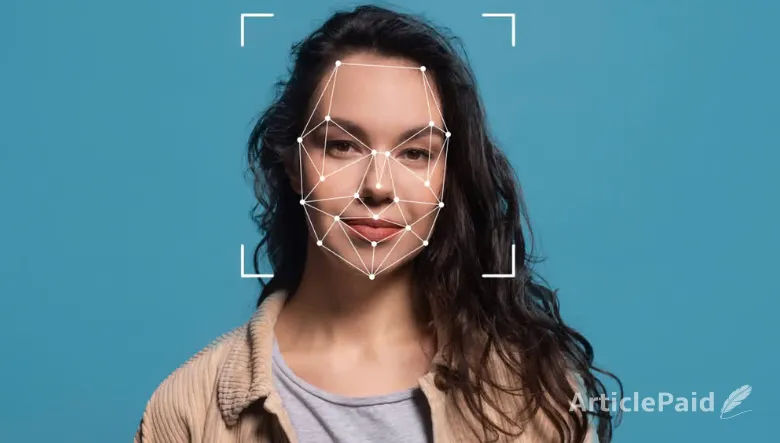
The Specialized Brain of the "Face Specialist"
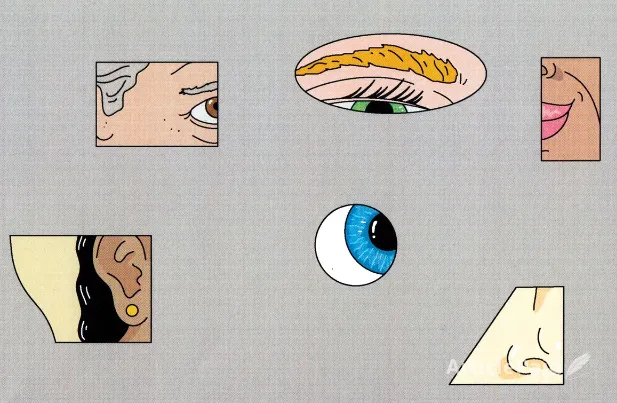
The Social Implications and Professional Advantages
Are You One of Them?
More from ArticlePaid
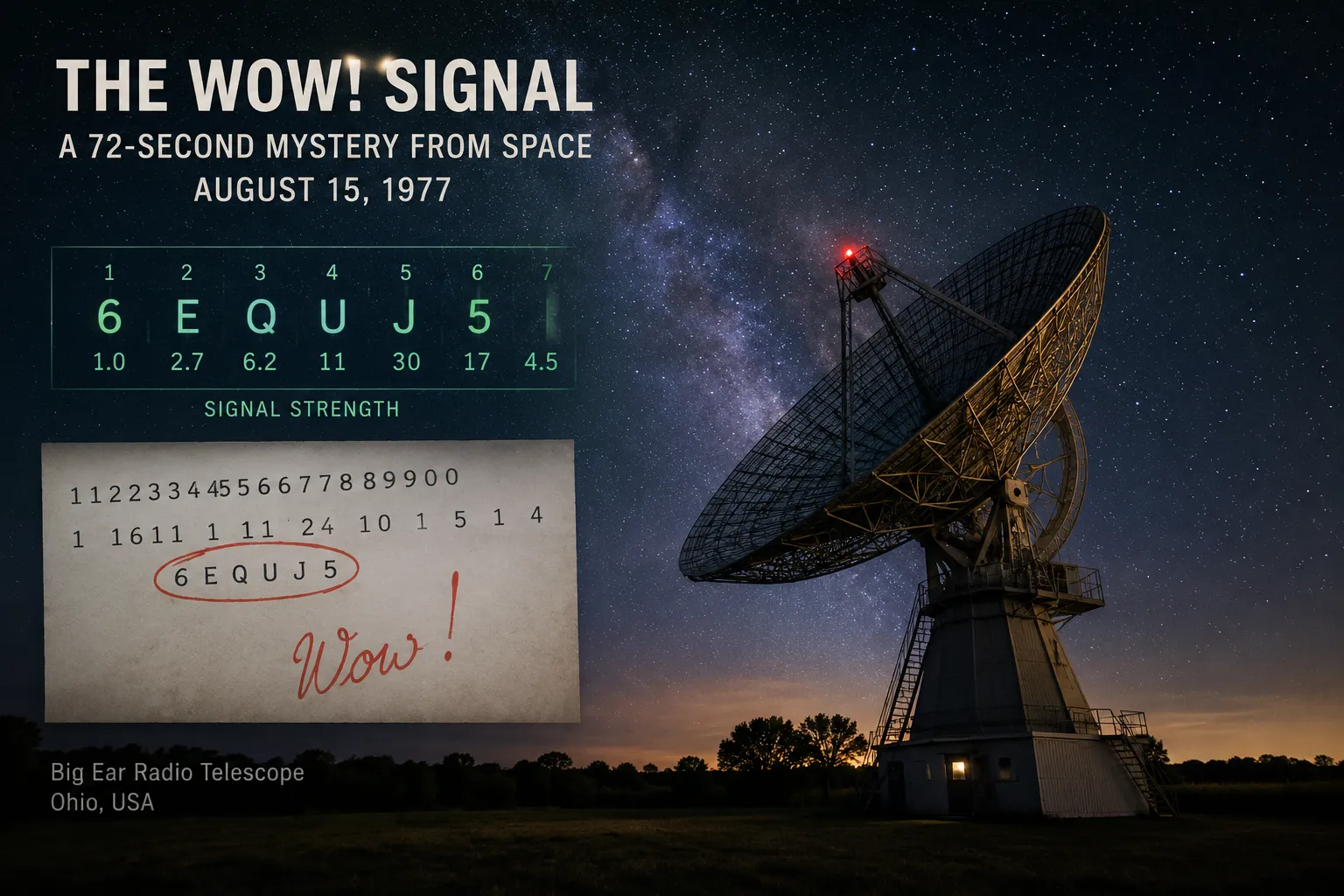
The Wow! Signal: The 72-Second Mystery That Still Baffles Scientists
A Signal That Changed Astronomy ForeverImagine you're a scientist searching the skies for signs of intelligent life. Day after day...

The "Bloop" Sound From 5000km Under The Ocean
Imagine you’re a scientist in 1997. Your job is to listen to the ocean. Not with your ears, but with super-sensitive underwater mi...

What If Humans Transferred to Mars Tomorrow?
First, we’d have to deal with the immediate shock to our biology. Mars has about 38% of Earth's gravity. While bounding around lik...

The Voynich Manuscript: The 600-Year-Old Book No One Has Ever Been Able to Read
A Mystery That Has Defied Six CenturiesImagine walking into an ancient library and discovering a weathered book unlike anything yo...

Climate Science and Geoengineering: Innovations at the Forefront of a Warming Planet
As global temperatures climb and extreme weather events become more prevalent, the call to action against climate change echoes louder than ever. While reducing emissions and transitioning to clean energy remain vital components of global climate strategies, science is rapidly pushing boundaries with two innovative approaches: geoengineering and AI-enhanced climate modeling.

Top 10 Fascinating Historical Facts That Shaped Our World
Explore 10 astonishing historical facts that shaped our world—from the engineering marvel of the Great Pyramid to Cleopatra's surprising timeline, the lost Library of Alexandria, and the Wright brothers' 12-second flight. This article reveals fascinating moments that changed human civilization forever. Discover how history's twists still impact us today!
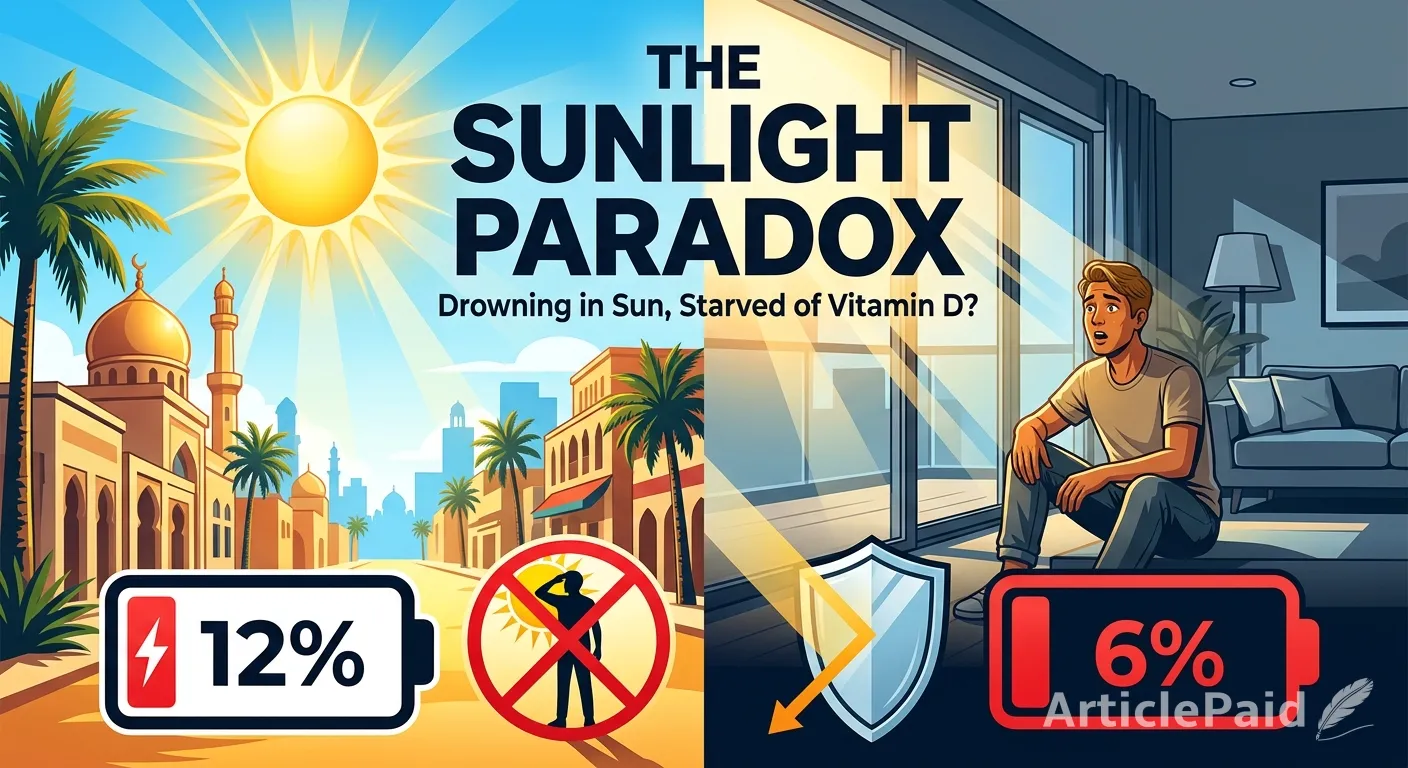
The Sunlight Paradox: Why Sun-Drenched Countries Are Secretly Vitamin D Deficien
It sounds like a joke.You live in a region blessed with intense, year-round sunshine. Yet, your doctor runs a routine blood test a...
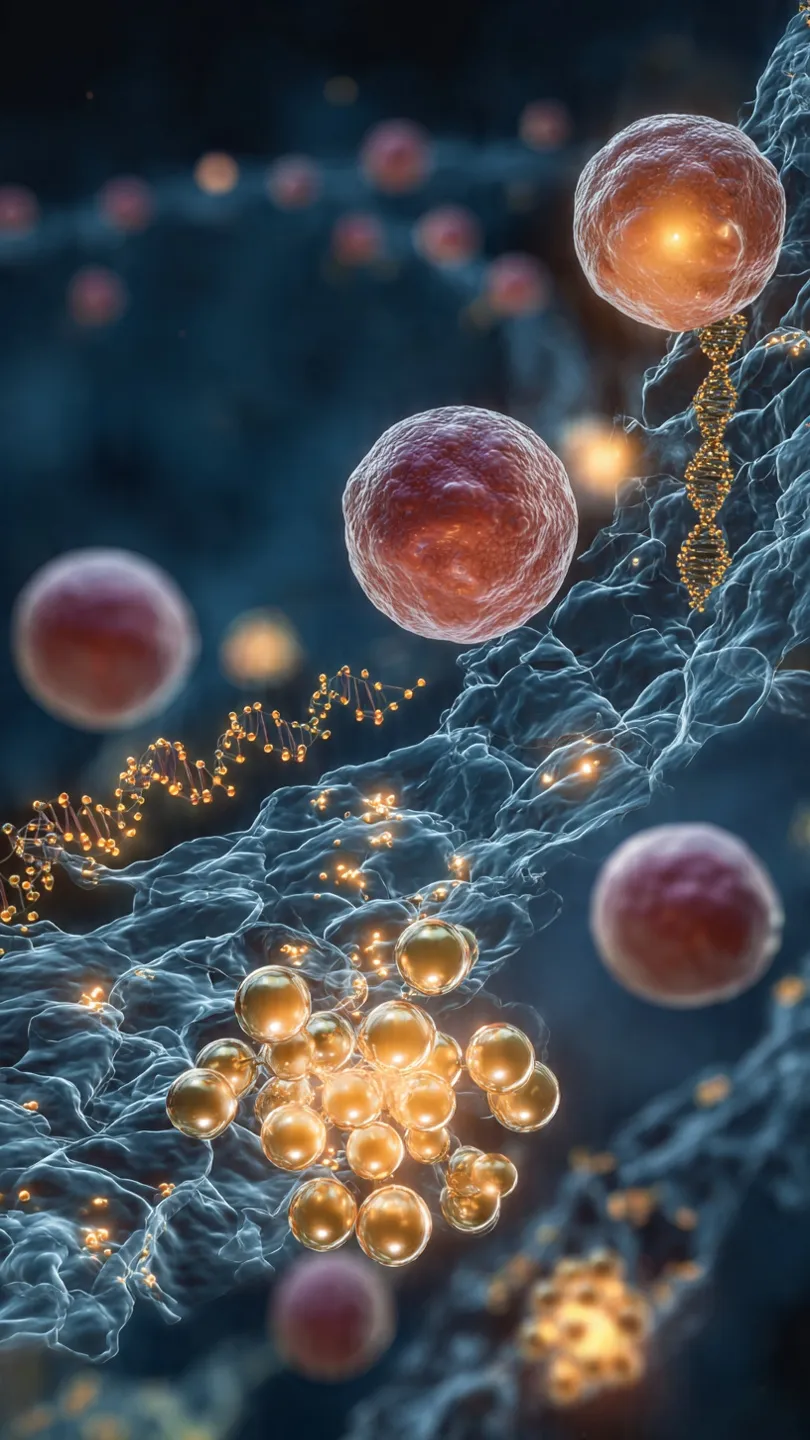
Nanozymes in Healthcare: The Tiny Catalysts Rewriting Medicine
Imagine an enzyme and a nanoparticle had a baby. It would be super stable, work in extreme heat and acid, cost almost nothing to m...
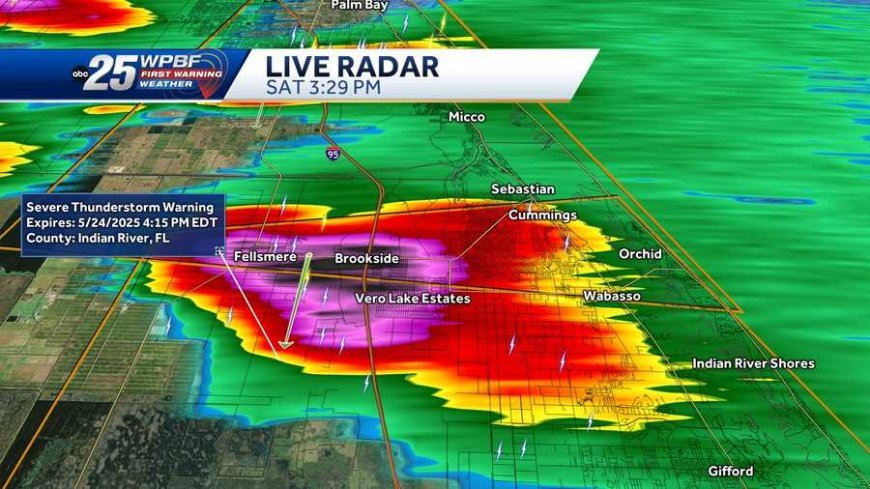
Severe Thunderstorm Alerts Across Multiple States
Severe thunderstorms swept across multiple U.S. states, bringing damaging winds, power outages, and flash flood threats amid intense summer heat.
Weekly Top Articles
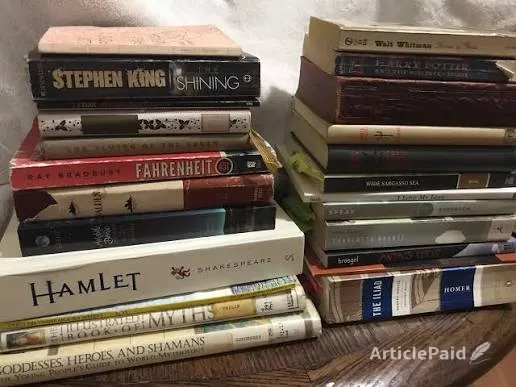
8 Methods to Write the Next Short Story After a Successful Hit
When Your Success Becomes Your Next ChallengeYou have published your first short story, and you feel proud to receive positive rev...

Why Saving Money Won't Make You Rich: 7 Ways to Wealth
Introduction: Will Saving Make You Richer?Everybody wants to leave school and enter a bright financial future. Most people think t...

Healthy soup for cold& cough- comforting Ginger Garlic soup
IntroductionWarm up with this easy, healthy and tasty homemade Ginger Garlic Soup. This soup has been made using fresh ingredients...

How Can I Use AI to Grow My Business and Make More Money in 2026?
IntroductionArtificial intelligence can make life easier for entrepreneurs, both big and small. Using artificial intelligence tool...
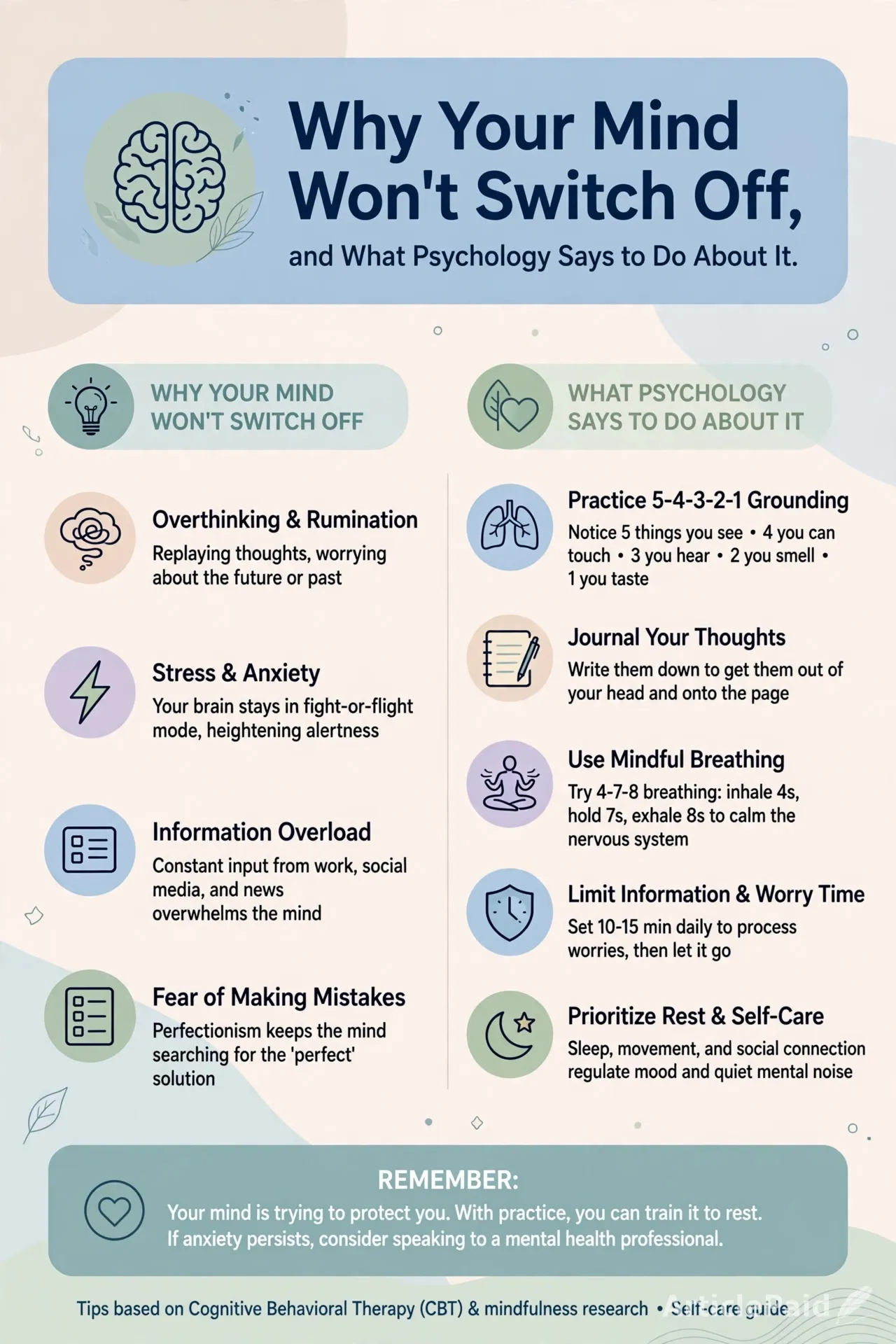
Why Your Mind Won't Switch Off, and What Psychology Says to Do About It
Last month's embarrassing text. Tomorrow's presentation. A decision you've already made but keep re-examining like it's evidence i...

Why You Procrastinate and How to Actually Stop: Easy Tips to Help You Start Now
IntroductionMany people procrastinate, and it stops you from achieving your goals. Procrastination may come in the form of avoidin...








Responses (0)
Sign in to share your thoughts.
Sign in