5 Signs You’re in a Healthy Relationship (And 5 That Mean It’s Toxic),


Nobody hands you a manual when you fall for someone. You figure it out as you go, and sometimes it takes months, or years, to realize whether the relationship is actually good for you. Love can feel intense in both healthy and unhealthy situations, which is exactly why it gets confusing.
Here's a simple way to look at it: five signs that things are in a good place, and five that should make you stop and think.
5 Signs of a Healthy Relationship

1. You can be yourself.
You don't have to perform or hide parts of your personality. You can be silly, tired, or in a bad mood, and your partner doesn't treat it like a crisis. You feel relaxed around them, not like you're being graded.
2. You talk honestly, even when it's awkward.
Healthy couples still disagree. The difference is how they handle it. They say what bothers them without name-calling or going silent for days. Someone says "that hurt me," and the other person actually listens.
3. You trust each other.
There's no need to check phones or question every hour of the day. Trust doesn't mean you never feel jealous. It means you don't act on that feeling by controlling the other person.
4. You support each other's growth.
When one of you gets a new job, starts a hobby, or wants to study something new, the other cheers them on. Your partner is happy when you succeed, and doesn't feel threatened by it.
5. You keep your own life.
You still see your friends, spend time with family, and have interests of your own. A good relationship adds to your life. It doesn't replace everything else in it.
5 Signs a Relationship Is Toxic
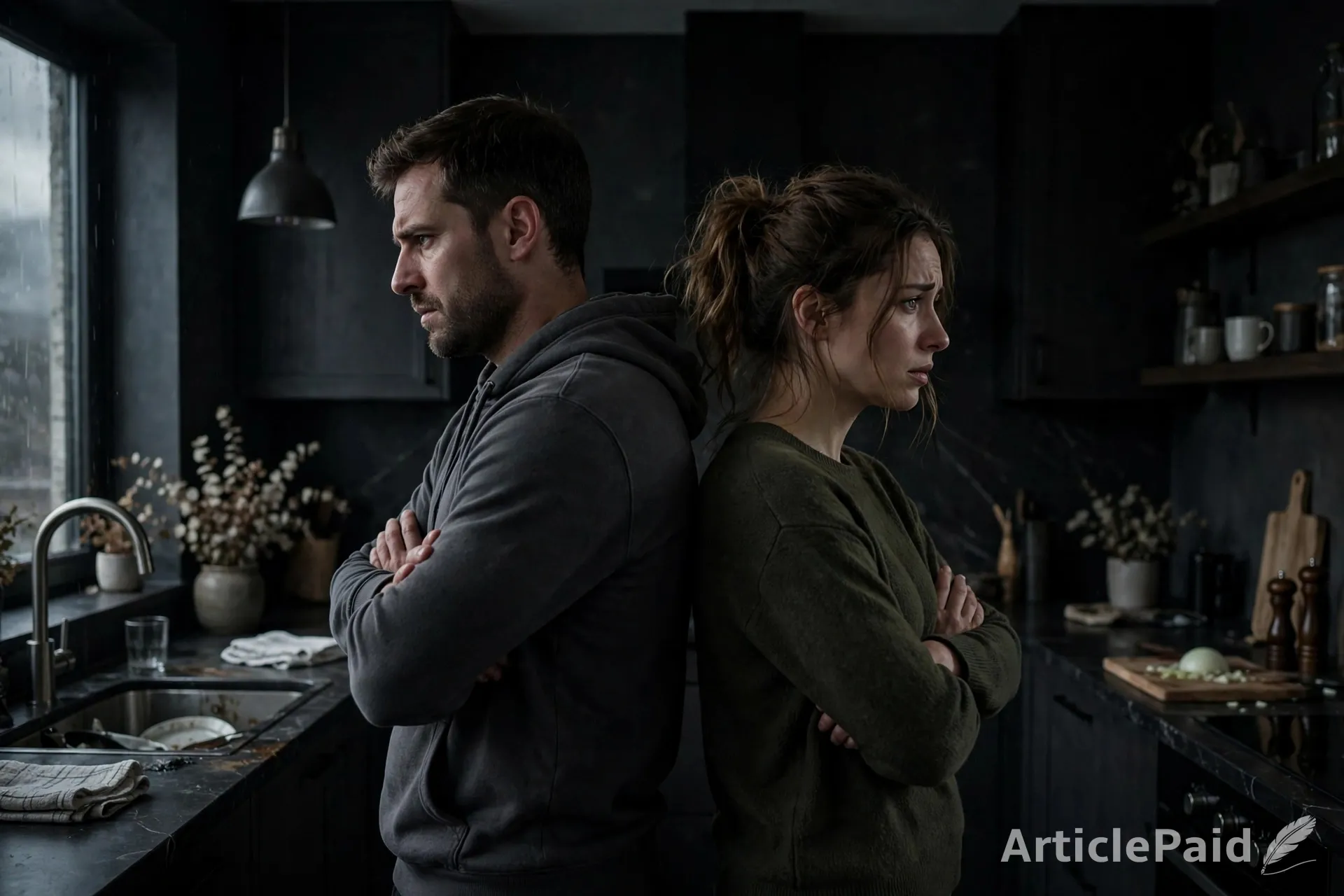
1. Constant criticism or put-downs.
Everyone has bad days, but if you're regularly made to feel stupid, ugly, or "too much," that's not honesty. It's wearing you down. Pay attention to "jokes" that always seem to hurt.
2. Control disguised as care.
They choose who you can talk to, what you wear, or where you can go, and call it "worry" or "love." Caring about someone's safety is very different from managing their choices.
3. Isolation.
A toxic partner often pulls you away from friends and family, slowly and subtly at first. They might complain every time you make plans, until it feels easier to just stay home. Eventually you realize you've got no one else to talk to.
4. Guilt, blame, and the silent treatment.
Every argument somehow ends up being your fault. Or they stop speaking to you to punish you, leaving you to chase their forgiveness for something small. This kind of emotional pressure leaves you anxious and unsure of yourself.
5. You feel afraid or drained most of the time.
This one matters most. If you're constantly walking on eggshells, rehearsing how to say things so they won't react badly, or feeling worse about yourself than you did before, listen to that feeling. Your gut is usually telling you something real.
What to Do If You Notice Warning Signs
Seeing one or two red flags doesn't automatically mean it's over. People make mistakes, and some patterns can change if both partners are willing to work on them. Try an honest conversation first, and consider couples counseling if you both want to improve things.
But if the behavior keeps repeating, or you feel unsafe, don't ignore it. Talk to a friend, a family member, or a professional counselor. If you're ever in danger, contact local emergency services or a domestic violence helpline in your area.
Final Thoughts
A healthy relationship isn't perfect. It's one where you feel respected, safe, and free to be yourself, even in the hard moments. A toxic one leaves you smaller, quieter, and doubting yourself.
You deserve a relationship that feels like support, not survival. If yours doesn't, it's okay to ask for more, or to walk away.








Responses (0)