Why You Feel Lonely Even When You’re in a Relationship,

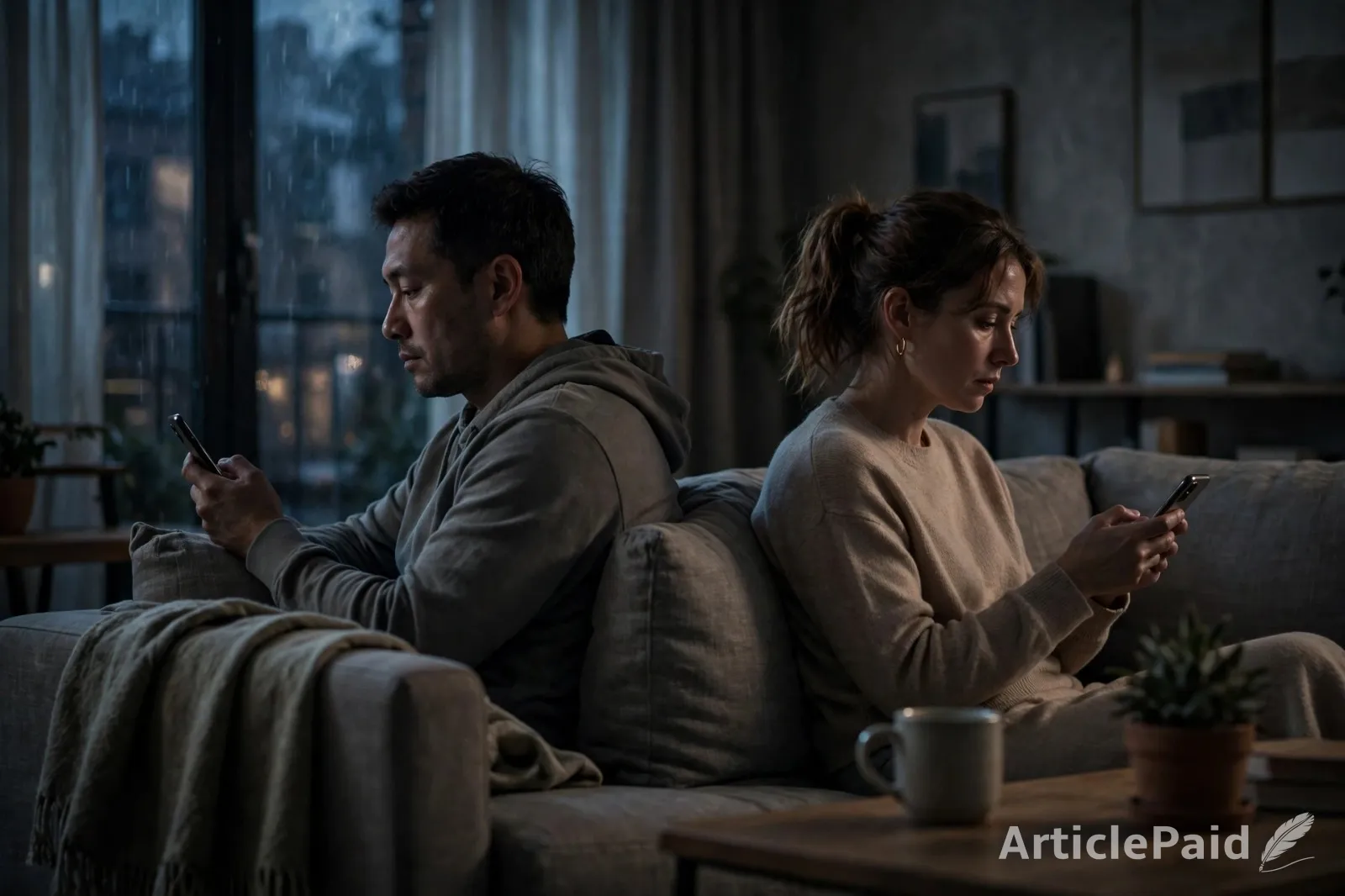
Why You Feel Lonely Even When You’re in a Relationship
You can love someone and still feel alone. That does not mean your feelings are wrong. It usually means something important is missing: emotional connection.
Being in a relationship is not the same as feeling close to someone. You can share a bed, a home, and daily routines, yet still feel unseen. Loneliness often comes from the gap between the closeness you need and the closeness you actually feel.
You talk, but do not connect
Many couples talk every day. But most of those conversations are practical.
“Did you pay the bill?”
“What time are you coming home?”
“Can you pick up the kids?”
These talks matter. But they do not create intimacy.
You feel close when someone asks how you really are—and waits for the real answer. You feel close when you can share fears, dreams, and messy feelings without being judged.

When conversations stay surface-level, you can start to feel invisible. Research links poor or shallow communication with loneliness in intimate relationships.
Your emotional needs are unmet
Everyone needs to feel valued, understood, and supported.
Maybe you need more affection. Maybe you need reassurance. Maybe you need your partner to listen without trying to fix everything.
If those needs go unmet, loneliness grows. You may start thinking, “They are here, but they are not really with me.”
That feeling is common. Emotional loneliness is not just about being physically alone. It is about missing affection, understanding, and companionship from the person closest to you.
You feel unheard
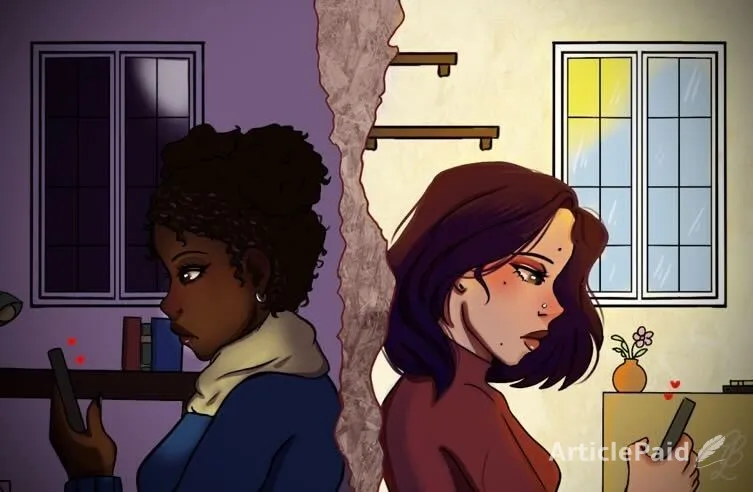
Sometimes your partner is physically present but emotionally absent.
You share something important. They look at their phone. You express sadness. They change the subject. You ask for support. They get defensive.
Small moments like these add up.
When you repeatedly feel dismissed, your brain learns to stop reaching out. You may still be together, but emotionally you begin to pull away.
This is sometimes called “phubbing”—when a partner prioritizes their phone over you. Studies connect it with lower closeness, less emotional support, and more romantic loneliness.
Conflict has gone unresolved
Every couple argues. But unresolved conflict can quietly poison closeness.
Maybe you had a big fight and never truly repaired it. Maybe the same issue keeps returning. Maybe one of you shuts down while the other pushes for answers.
That creates distance.
One partner may chase connection. The other may withdraw. Both feel hurt. Both feel alone.
Loneliness can grow when emotional reactions are intense or when partners emotionally cut off from each other.
You may have attachment wounds
Sometimes the loneliness started long before this relationship.
If you grew up feeling unsafe, ignored, or emotionally unsupported, closeness can feel complicated. You may want love deeply but struggle to trust it.

Anxious attachment can make you crave constant reassurance. Avoidant attachment can make you pull away when things feel too close. Neither style is “bad,” but both can create painful patterns.
Attachment insecurity is linked with higher loneliness in intimate relationships.
Life may be draining you both
Sometimes no one is doing anything “wrong.”
Work stress. Parenting. Money worries. Illness. Poor sleep. Burnout. Depression. Anxiety.
These things can drain emotional energy. Your partner may be exhausted, distracted, or struggling too. That does not erase your loneliness, but it can explain the distance.
Relationships need care. When life becomes survival mode, connection often gets pushed aside.
What you can do
Start small. You do not need a perfect relationship overnight.
- Say it gently: “I feel lonely lately, and I miss feeling close to you.”
- Ask better questions: “What has been weighing on you?”
- Put phones away during meals or bedtime.
- Make time for one real conversation each week.
- Show appreciation out loud.
- Repair after conflict instead of pretending it never happened.
- Ask for what you need clearly, rather than hoping they guess.
Small moments of attention rebuild closeness. Turning toward each other with empathy, rather than defensiveness, can make a real difference.
When to seek support
If you feel lonely most of the time, do not ignore it. Talk to your partner honestly. If conversations keep turning into fights or silence, couples counseling can help.
And if loneliness comes with sadness, hopelessness, anxiety, or emotional numbness, speaking with a therapist can help too. You deserve to feel connected—not just accompanied.
Being in a relationship should not mean disappearing into it. You deserve love that makes you feel seen, safe, and emotionally at home.






Responses (0)