Email tips that make people more likely to reply,

Email Tips That Make People Want to Reply
We’ve all sent those emails that feel like tossing a message in a bottle out to sea. You hit send, close your laptop, and then… crickets.
Hours turn into days, and you're left wondering if your message ended up in spam or if the person just glanced at it and immediately swiped it away.
Getting people to actually reply to an email can feel like solving a secret code.
But most of the time, people aren't ignoring you out of spite—they’re just overwhelmed by their inbox.
Their eyes scan, their brains calculate how much work a reply will take, and if it looks too heavy, they move on.
If you want to break through the noise and get fast, warm responses, here are a few natural, human ways to write emails people actually enjoy answering.
1. Make Your Subject Line Feel Like a Conversation
Your subject line is your email’s front door. If it sounds like a pushy sales pitch, a generic corporate memo, or a scary demand, people are going to leave it unopened.
What to try:
Keep it short, informal, and specific. Lowercase titles or natural phrases work wonders.
Instead of "URGENT: Request for Feedback Regarding Q4 Strategy," try "quick question about Q4" or "idea for our meeting tomorrow."
Why it works:
It feels human. It looks like a message from a teammate or a friend rather than a broadcast email, which lowers their guard and makes them curious enough to click.

2. Lead with Real Warmth Before You Ask for Anything
Nothing kills momentum faster than diving straight into a heavy list of demands in sentence one. But on the flip side, fake, overly formal pleasantries like "I hope this email finds you well" can feel stiff and automated.
What to try:
Open with a quick, genuine connection point. Mention a project of theirs you liked, congratulate them on a recent win, or just say something simple like, "Hope your week is off to a smooth start!"
Why it works:
It establishes rapport right away. When people feel seen as a person rather than just a task dispenser, they are instantly in a much more helpful mindset.
3. Make Your Core Request Unmistakably Clear
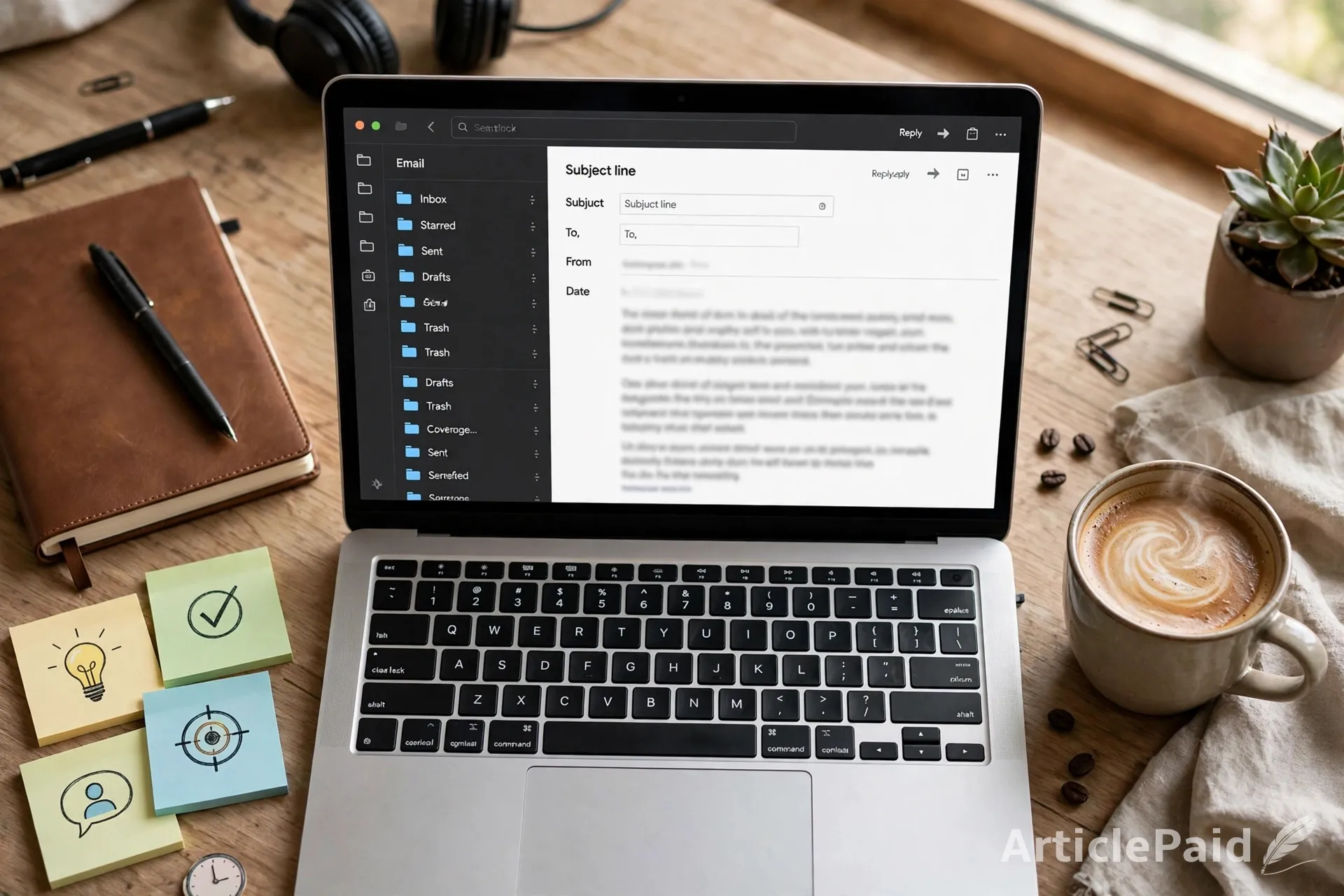
Have you ever opened an email, read three massive paragraphs, and had zero idea what the sender actually wanted from you?
Most people won't waste time trying to decipher a wall of text—they'll just close it for later (which usually means never).
What to try:
Keep your background info short and put your actual question or request on its own line. You can even bold it! Use clear bullet points if you have more than one point to make.
Why it works:
It respects the reader's time. When someone can scan your email in five seconds and immediately understand what you need, the mental barrier to replying completely disappears.
4. Give Them an Easy "Out" or a Simple Choice
Open-ended questions require a lot of brain power to answer. If you ask, "When are you free to chat next week?", the recipient has to open their calendar, compare schedules, and draft a whole response.
What to try:
Make answering take as little effort as possible.
Give specific options or suggest a default path. For example, instead of "What do you think of the draft?", ask, "Does Option A work for you, or should we tweak the headline?" Or for scheduling: "Are you free for 10 minutes on Tuesday at 2 PM, or would Thursday morning be better?"
Why it works:
It shifts the heavy lifting from their shoulders to yours. A quick "Tuesday at 2 works!" takes three seconds to type, making an instant reply almost guaranteed.
Keep It Human and Conversational
At the end of the day, the best rule of thumb is simple: read your email out loud before hitting send.
If it sounds like something you'd actually say to a colleague over coffee, you're in great shape. Keep it light, make your point easy to spot, and watch your reply rates shoot up!









Responses (0)