Why Do Veggies Make Me Bloat? (And Why Do I Look Pregnant After Eating?)
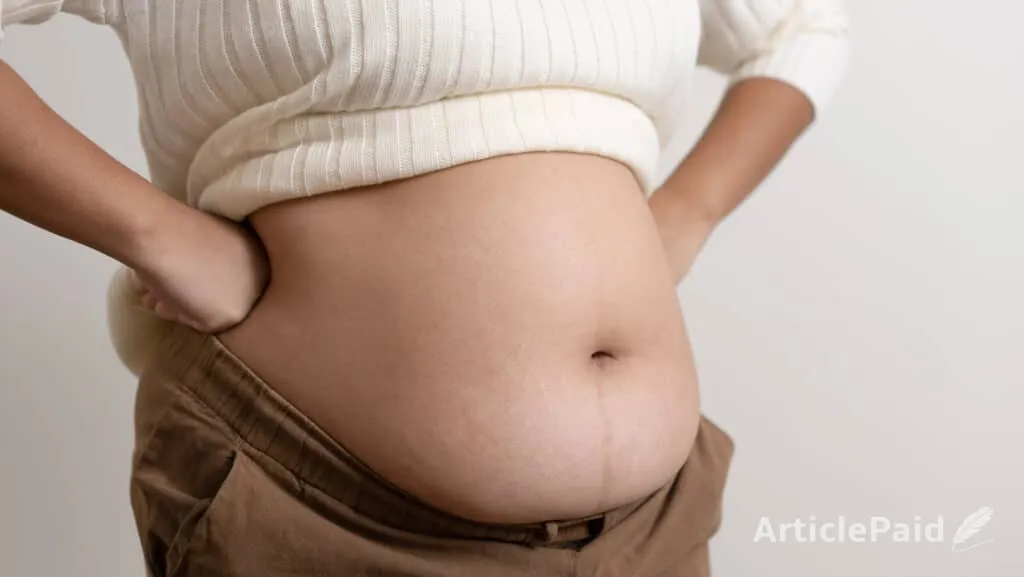
Many people notice their stomach swells after a meal full of plants. If you have ever asked “why do vegetables make me bloated” or “why do I look pregnant after eating,” you are not alone. This common issue has clear causes and simple fixes.
Why Do Vegetables Make Me Bloated?
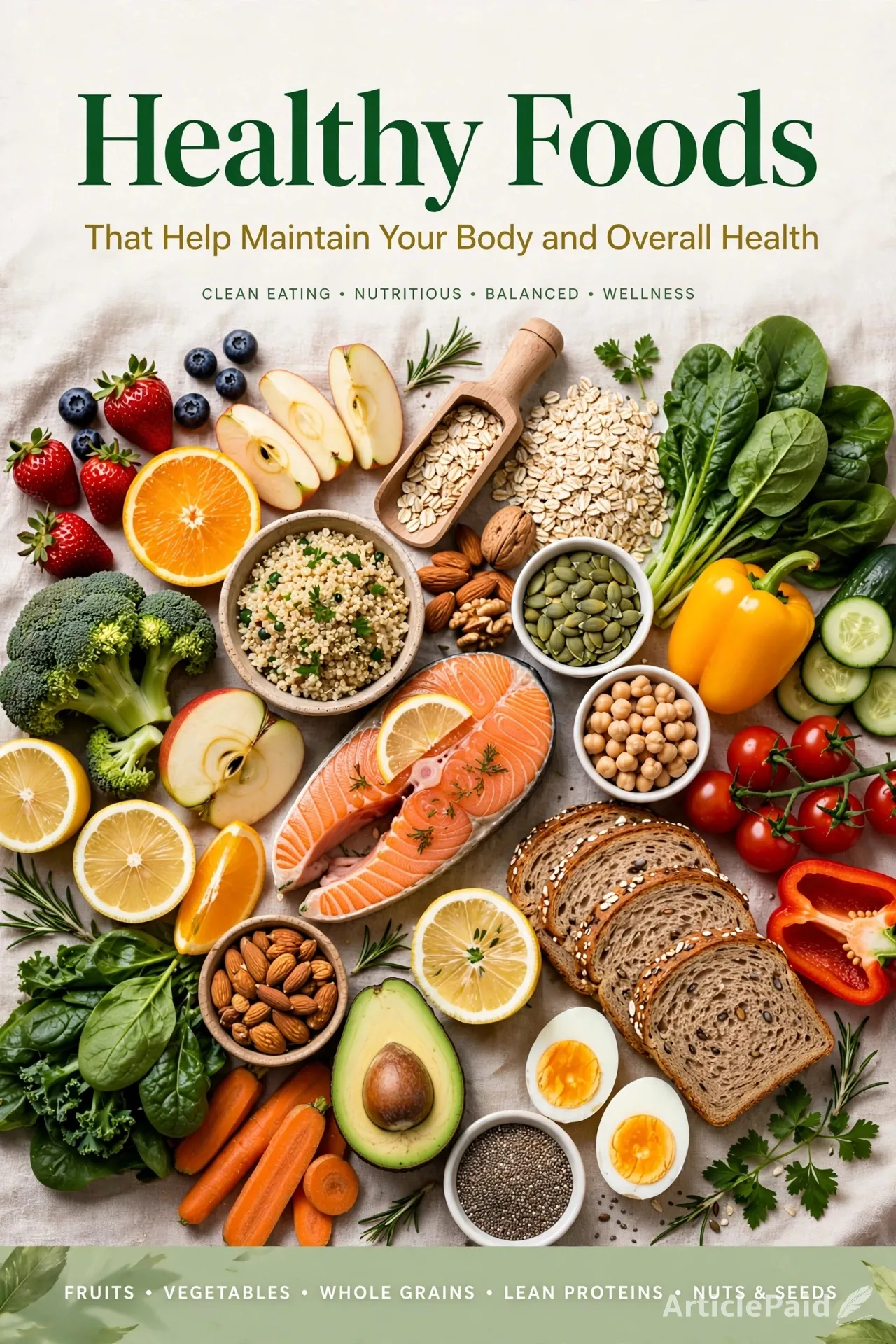
Vegetables are healthy, yet they can trigger gas and swelling. Most contain fiber that your gut bacteria break down. This process creates gas. When the gas builds up, your belly expands. High-fiber veggies also pull water into the intestines, which adds to the puffy feeling. Eating a big portion too quickly makes the problem worse because air gets swallowed along with the food.
Why Are Vegetables Making Me Bloated and Gassy?
Certain vegetables are bigger gas producers. Broccoli, cauliflower, cabbage, Brussels sprouts, and onions contain raffinose and other hard-to-digest sugars. These feed gut bacteria and release hydrogen and carbon dioxide. The result is bloating and gas that can last for hours. If your gut is sensitive or you recently increased your vegetable intake, the reaction is stronger.

Why Does Salad Make Me Bloat?
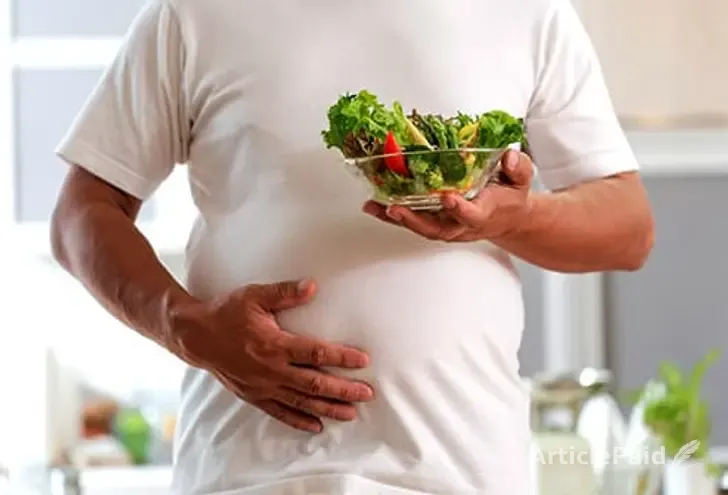
A large salad seems light, yet many people report that salad makes them bloated and gassy. Raw greens, cucumbers, tomatoes, and raw onions are common triggers. Raw vegetables take longer to break down than cooked ones. Dressings with vinegar, garlic, or high-fructose ingredients can add extra gas. Chewing too little also means bigger pieces reach the gut and ferment more.
Why Do Greens Make Me Bloated?
Leafy greens such as spinach, kale, and lettuce are packed with fiber and sometimes FODMAPs (fermentable carbs). When your digestive system is not used to large amounts, the bacteria go into overdrive. People with mild IBS or a sensitive gut often feel this most after a big green smoothie or large salad bowl.
Why Do Carrots Make Me Bloated or Why Do Carrots Make Me Bloat?
Carrots are usually gentle, but they still contain fiber and natural sugars. Eating a large amount of raw carrots, especially if you are not used to them, can lead to bloating. Some people notice the effect more with baby carrots or carrot juice because the fiber is concentrated. Cooking carrots softens the fiber and often reduces the problem.
Why Do Fruits and Vegetables Make Me Bloated?
Fruits add another layer. Apples, pears, mangoes, and stone fruits are high in fructose and polyols. When you eat them with gas-producing vegetables, the total fermentable load rises. The combination explains why mixed fruit-and-veg meals leave some people looking several months pregnant.
Why Do Foods Make Me Bloat in General?
Any high-fiber or high-FODMAP food can cause the same reaction if your gut bacteria are not balanced or if you eat too fast, talk while chewing, or drink lots of carbonated drinks with the meal. Stress and lack of regular movement also slow digestion and trap gas.
Simple ways to reduce the bloat
- - Start with smaller portions of raw vegetables and increase slowly.
- - Cook, steam, or roast veggies instead of always eating them raw.
- - Chew thoroughly and eat slowly.
- - Try low-FODMAP options such as carrots (in moderation), zucchini, cucumber (peeled), spinach, and lettuce.
- - Add digestive enzymes or a short walk after meals.
- - Keep a short food diary to spot your personal triggers.
Vegetables remain excellent for health. Understanding why they sometimes cause bloating lets you enjoy them without the uncomfortable swollen look. Most people find relief once they adjust portion size, preparation method, and eating speed.










Responses (2)
Sign in to share your thoughts.
Sign in