Where to Find Cheap and Healthy Meal Ingredients,

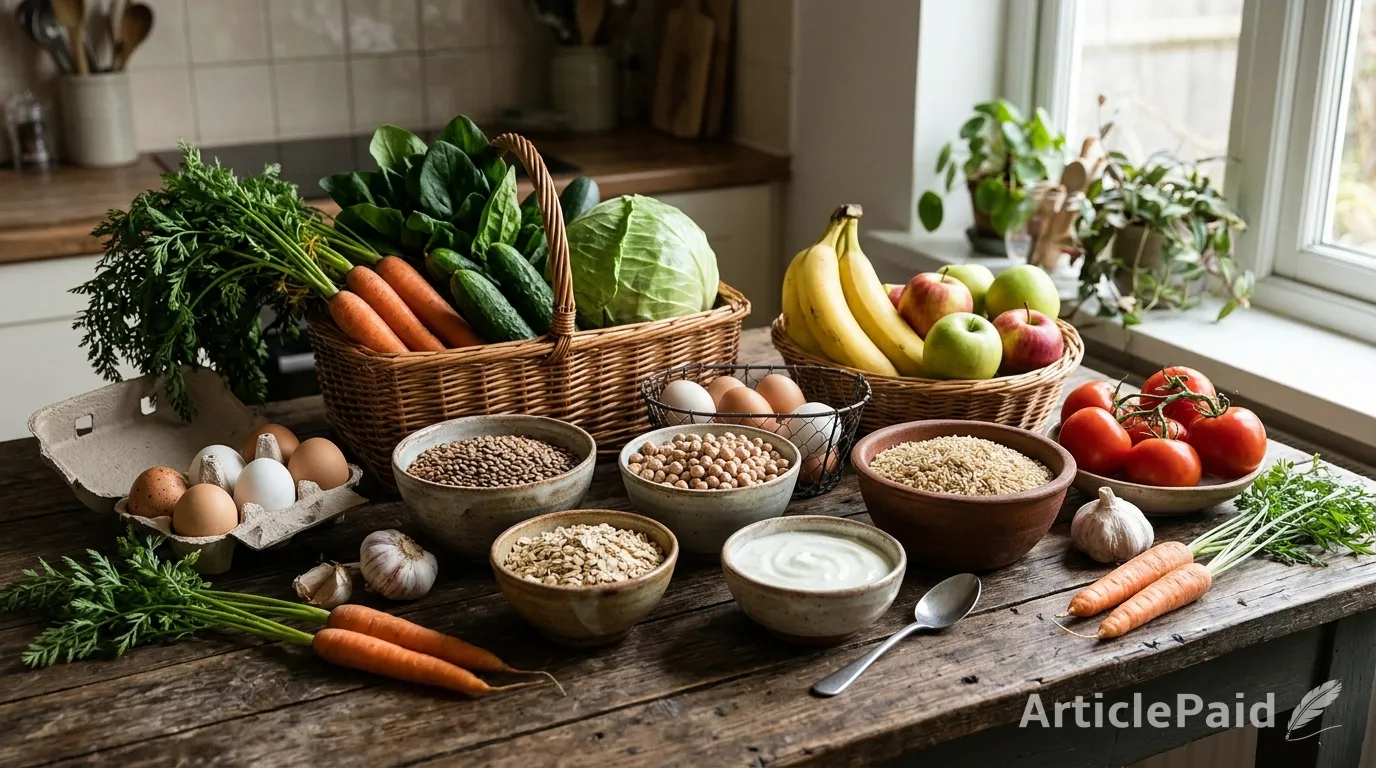
Eating healthy doesn’t have to cost you a lot of money. Many people think that to eat healthy, you need to eat expensive organic foods, diet foods and expensive ingredients. However with a bit of knowledge, you can make a balanced diet out of affordable everyday foods.
Eating healthy and cheap meal ingredients can be a huge help to your pocket whether you’re looking to save money, feed your family and/or improve your eating habits. Focus on eating simple and healthy foods.
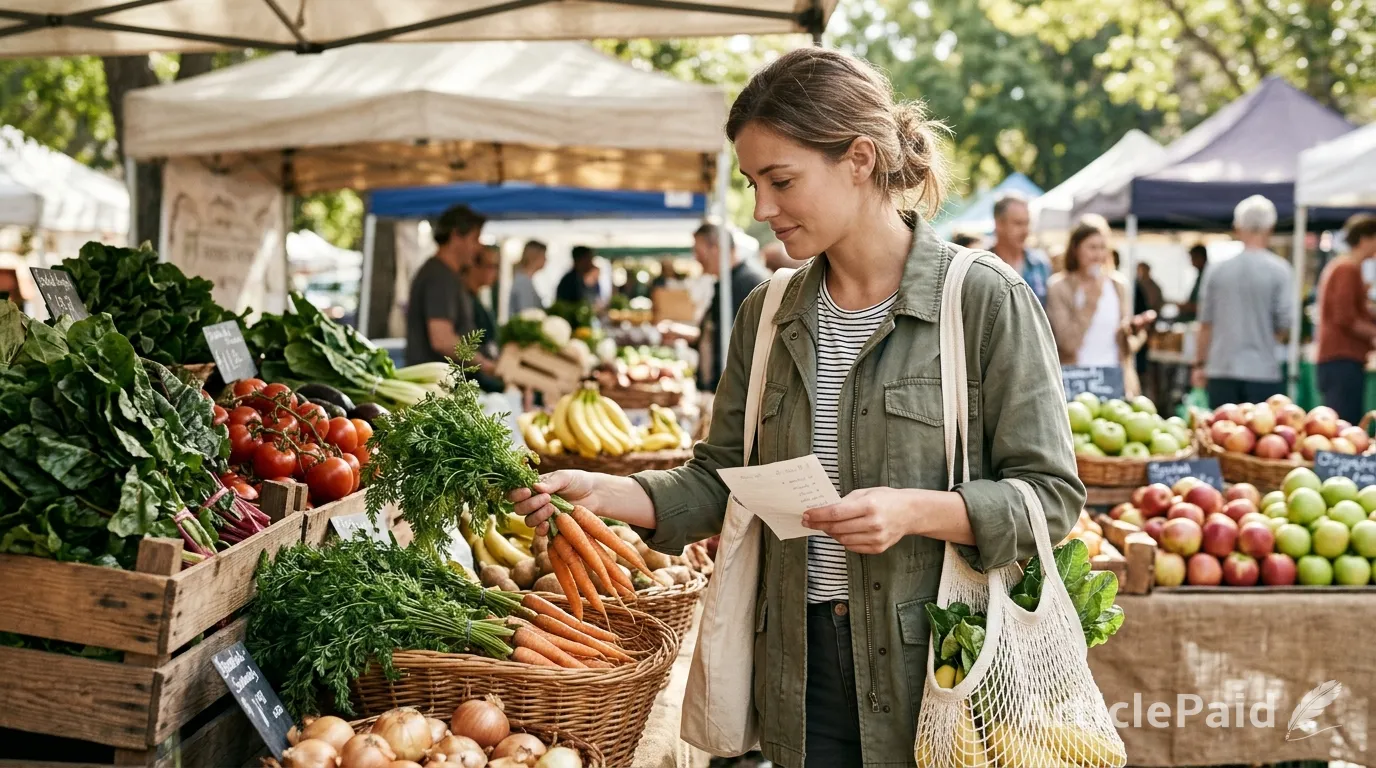
Here are some healthy and cheap meal ingredients.
1. Eat Seasonal Fruit & Veg
Seasonal produce will often be cheaper.
Rather than buying imported and expensive fruits and veg, look at what produce is in season where you live. Carrots, spinach, cabbage, cucumber, tomato, bananas and apples can be very cheap depending on the season and where you live.
Seasonal veg can be cooked in many different ways such as:
Soups
Salads
Curries
Sandwiches
Home cooking.
Buying veg from local markets can be cheaper. Price compare and pick up fresh produce.
2. Eat cheap protein
Protein is a key part of a balanced diet. However there are many cheap protein sources.
Cheaper protein sources include:
Eggs
Lentils
Chickpeas
Beans
Plain yoghurt
Milk
Peanuts
Tinned fish (if it’s reasonably priced).
Lentils and chickpeas are great as they can be cooked in bulk and added into many meals including:
Soups
Salads
Curries
Rice.
Cooking a variety of cheap protein sources throughout the week will allow you to create healthy meals.
3. Eat Wholegrains
Wholegrains are great to use in your meals as they contain energy, fibre and other nutrients.
Buy foods such as:
Oats
Brown Rice
Whole wheat flour
Barley
Local grains.
Oatmeal can be a cheap way to make your breakfast. Add milk and banana seasonal fruit. Whole wheat roti with lentils and vegetables can create a balanced and satisfying meal.
Try not to buy expensive cereals, snacks and highly processed foods. Wholegrains are often cheaper and can be used in lots of different meals.
4. Price Compare
One of the easiest ways to save money on your shopping is price comparing.
Look at what stores have the cheapest prices. Local grocery stores, supermarkets, Farmers Markets and wholesale stores can all have different deals.
Don’t just go for the cheapest price. Check how much you’re getting, how fresh the food is, quality and expiry date.
Sometimes larger portions can be cheaper. However only buy more if you can store it and use it before it goes off.
A bit of price comparing can help you not overspend.
5. Plan your meals
Planning your meals will help you save money whilst eating healthily.
Before you go to the shop, decide what you want to cook for the week. Create a simple shopping list.
If you buy lentils, tomatoes, onions, carrots and rice you can make many meals.
This will also reduce food waste.
Try to make sure you’re having a good variety of veg, protein and wholegrains.
6. Use frozen & dried ingredients
Whilst fresh ingredients are great, frozen and dried ingredients can be a cheap and healthy option.
Frozen veg will often be picked and frozen when they’re fresh. If you’re struggling to find certain vegetables or they’re expensive, frozen can be a good option.
Dried lentils, beans, chickpeas & peas are a cheap option. They can last a long time.
Batch cook them and use throughout the week.
7. Avoid food waste
Don’t waste food! You’re wasting your money.
Before you go shopping, look in your fridge and cupboards.
Leftover veg can be made into soups, omelettes, rice and home made wraps. Slightly over ripe bananas can be used in smoothies or in your oats. Leftover cooked lentils can be used in a hearty salad or curry.
Ensure you’re storing foods correctly, keep your fridge organised and freeze any suitable ingredients.
Being creative with your ingredients will help you get more out of your shopping.
8. Don’t overspend on healthy foods.
You don’t need to spend a lot of money on superfoods, supplements and trendy diet foods to eat healthily.
Lentils, eggs, seasonal veg, fruits, oats, beans and plain yoghurt can all give you key nutrients but at a fraction of the price.
Check the nutritional information and price of the food before you buy it just because it’s marketed as healthy.
Focus on creating balanced meals with a variety of affordable foods.
Final thoughts
By planning, price comparing and eating simple healthy foods you can find cheap and healthy meal ingredients.
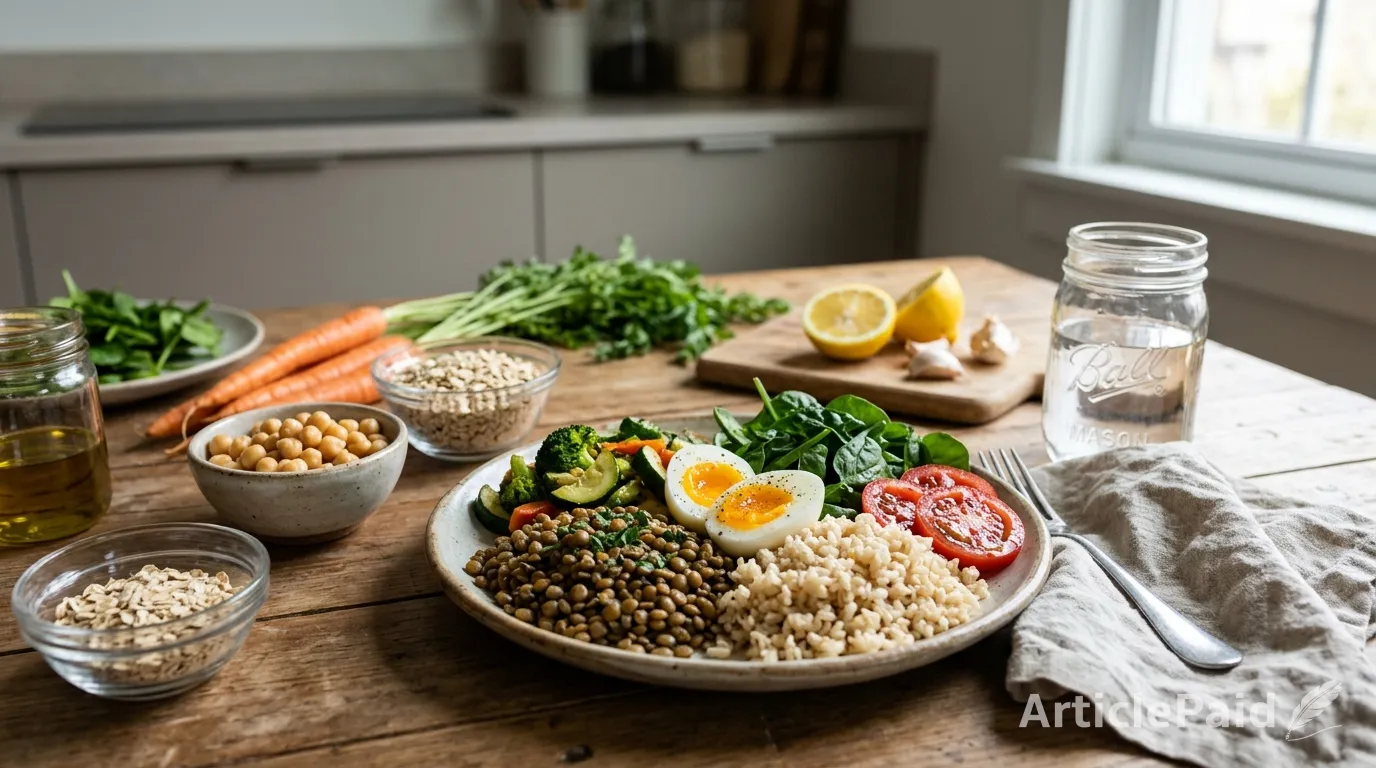
Seasonal veg, cheap proteins, wholegrains, frozen foods and dried legumes can all be used to create satisfying meals.
Eating healthy doesn’t mean you need to spend a lot of money on your ingredients. Be thoughtful with your choices and make the most of your food. Ensure you’re having balanced meals that fit your lifestyle and budget.
With a bit of planning and being creative you can enjoy tasty home cooked meals without spending too much.










Responses (0)