Why Does Your Blood Pressure Keep Dropping? Causes You Should Know

Introduction
Frequent low blood pressure can be a concerning health issue, especially when it causes repeated dizziness, fatigue or weakness. A blood pressure reading below 90/60 mmHg is generally considered low. However, some people naturally have lower readings without experiencing any symptoms.
While occasional changes in blood pressure are normal, repeated episodes accompanied by discomfort should not be ignored.
Hidden Causes of Low Blood Pressure
1. Nutritional Deficiencies
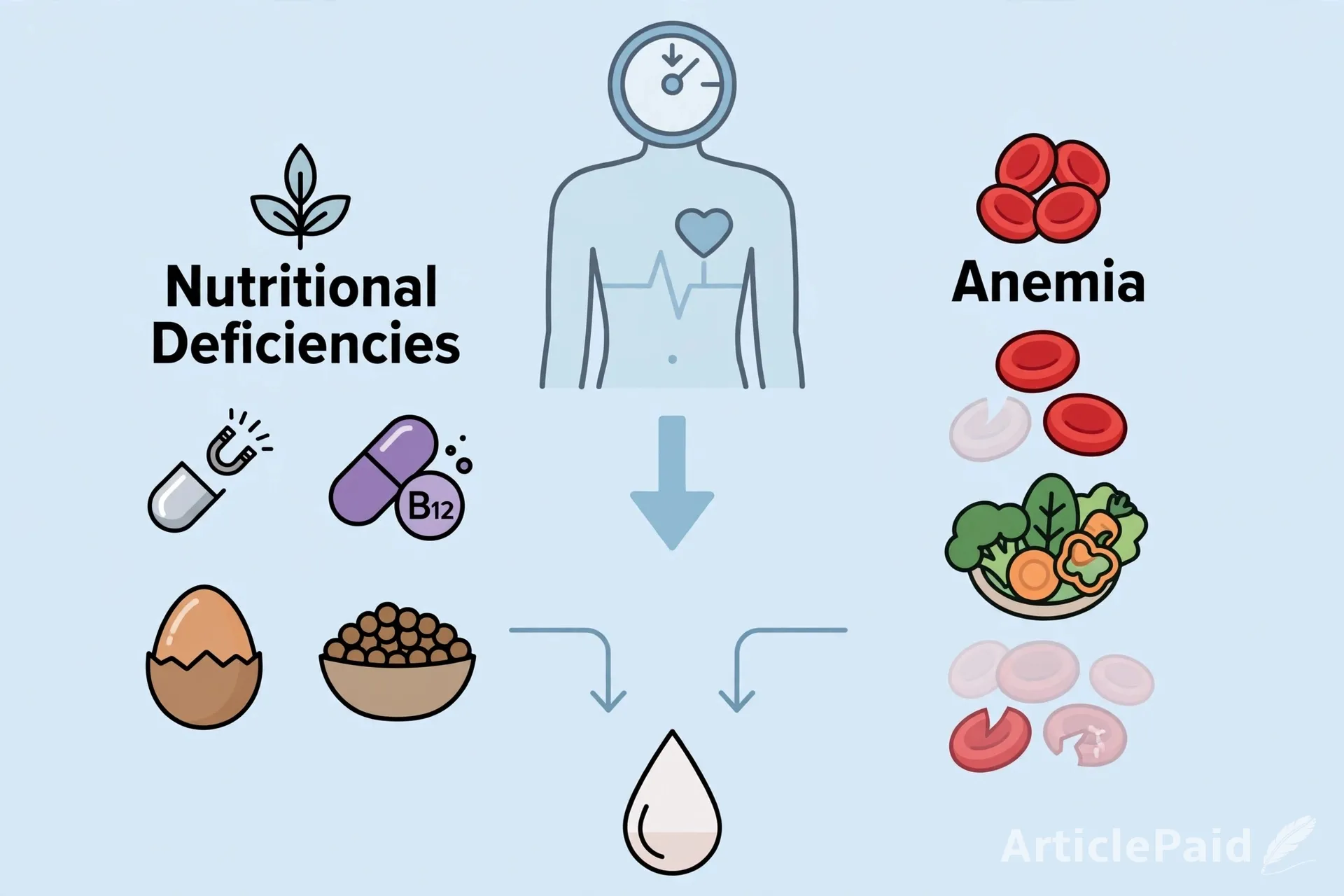
A diet lacking essential nutrients can contribute to health problems that affect blood pressure. Deficiencies in iron, vitamin B12 and folate can lead to anemia, which may cause weakness, fatigue and dizziness. A balanced diet containing eggs, lentils, meat, vegetables and whole grains helps support overall health.
2. Skipping Meals
Going for long periods without eating may cause weakness and dizziness, particularly in people who are sensitive to changes in blood sugar. Maintaining regular, balanced meals can help prevent these symptoms.
3. Standing for Long Periods
Standing in one position for too long can cause blood to collect in the legs, reducing the amount returning to the heart. Some people experience a drop in blood pressure when standing up after sitting or lying down. This condition is known as orthostatic hypotension and can cause lightheadedness or fainting.
4. Heavy Meals and High-Carbohydrate Foods
Some people, particularly older adults, experience a drop in blood pressure after eating. This condition is called postprandial hypotension. Large meals and carbohydrate-heavy foods may contribute to it, although it does not affect everyone.
5. Dehydration and Fluid Imbalance
Not drinking enough water can reduce blood volume and cause blood pressure to drop. Dehydration may occur due to excessive sweating, fever, vomiting or diarrhea. On the other hand, drinking excessive amounts of water in a short period can disturb the body's sodium balance. Maintaining a moderate and regular fluid intake is important.
Common Symptoms to Watch
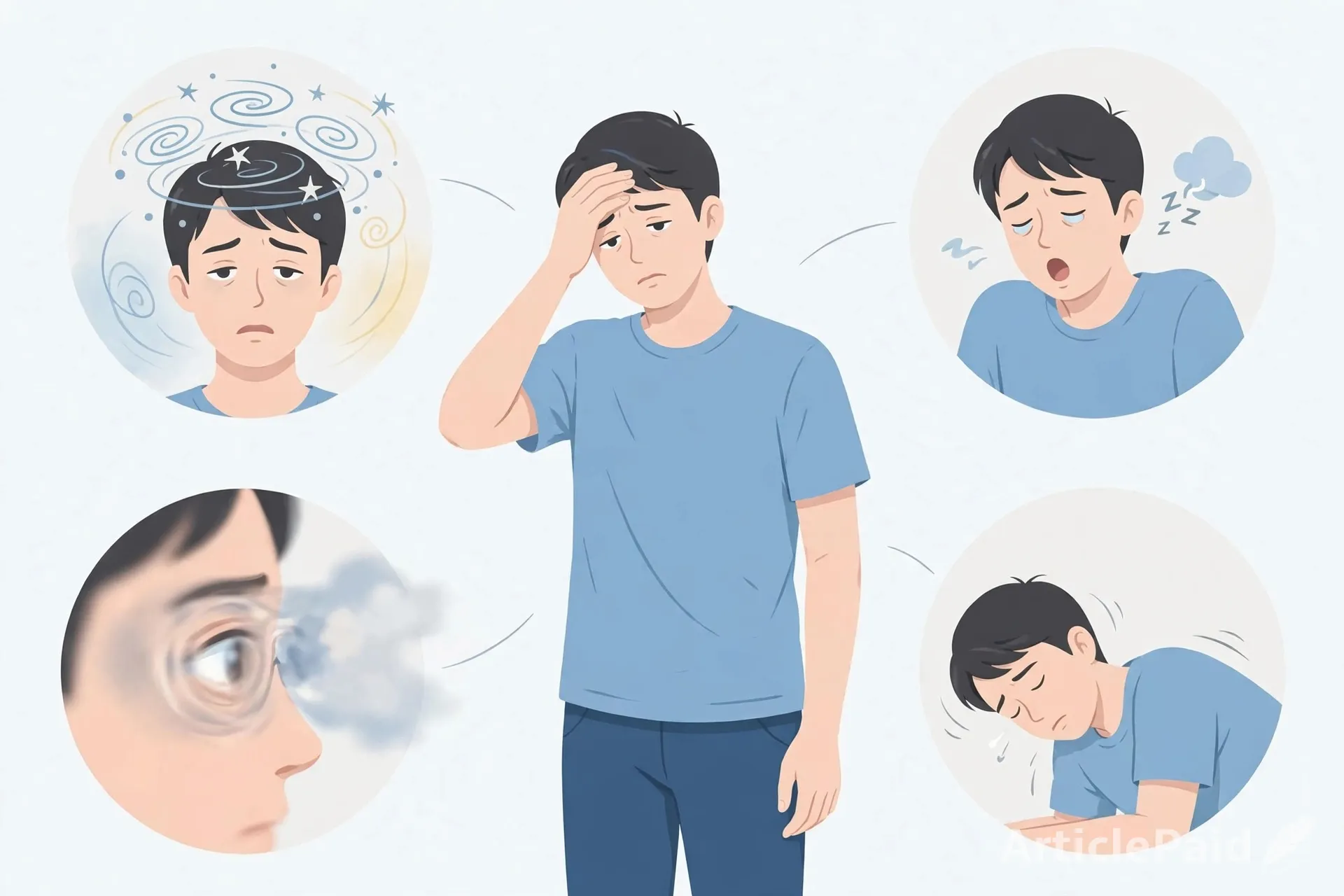
- Dizziness or lightheadedness
- Headache and fatigue
- Nausea
- Blurred vision
- General weakness
- Fainting or feeling close to fainting
How to Prevent Frequent Low BP
1. Eat a Balanced Diet: Include eggs, lentils, lean meat, vegetables, whole grains and iron-rich foods. A nutritious diet helps prevent deficiencies that may contribute to weakness and anemia.
2. Avoid Skipping Meals: Eat regular, balanced meals and consider smaller portions more frequently if you experience symptoms after eating.
3. Stay Hydrated: Drink enough water throughout the day. Increase fluid intake when needed, especially during hot weather or after sweating, unless your doctor has advised you to restrict fluids.
4. Change Positions Slowly: Avoid getting up suddenly from a sitting or lying position. Move slowly to give your body time to adjust.
5. Avoid Prolonged Standing: Take short breaks when your work requires standing for long periods. Sit or lie down if you begin feeling dizzy.
When Should You Seek Medical Advice?
If you frequently experience dizziness, fainting, blurred vision or persistent weakness, consult a healthcare professional to identify the underlying cause. Repeated episodes may require blood tests or other medical examinations.
Sudden fainting accompanied by chest pain, breathing difficulty, confusion or cold, clammy skin requires urgent medical attention.











Responses (0)