How to Start Eating Healthier Without Feeling Restricted – Healthy
Eating healthier is one of the best things you can do for your wellbeing. However, some people struggle to eat healthier because they feel that they 1)…


Eating healthier is one of the best things you can do for your wellbeing. However, some people struggle to eat healthier because they feel that they 1) won’t be able to eat their favourite foods, 2) will go on strict diets and 3) will have to constantly count their calories. This can cause considerable stress and it can be difficult to stick to. Good news! You do not have to feel deprived whilst eating a healthier diet; small changes and balanced eating will help you get into the habit.
1. Add Healthy Foods Into Your Diet

One of the easiest ways to start eating healthier is to add more healthy foods into your diet. Try adding more fresh veg into your lunch, adding a piece of fruit to your breakfast and/or having some nuts as an afternoon snack.
By focusing on adding healthy foods into your dishes you will find that you’ll be eating much healthier. Plus you won’t feel like you’re on a strict diet. By thinking about what you can eat rather than what you cannot, you will find that you can eat delicious healthy foods!
2. Enjoy Your Favourite Foods In Moderation
Eating more healthily doesn’t mean you have to give up your favourite foods such as pizzas, burgers, chocolates, dessert etc. If you cut out all your favourite foods it can sometimes make you crave the foods more.
A good way to balance your diet is to eat them sometimes and be mindful of portion sizes. Having a slice of cake at a celebration won’t make you feel guilty. Having your favourite home cooked meal can also be a part of a healthy lifestyle.
Whilst one meal isn’t going to determine how you eat, it’s about how you balance your choices.
3. Make Small Changes
You don’t have to spend a fortune on a diet or complicated recipes to eat a healthier diet. Try making some small changes to your meals.
• Replace sugary drinks with water more often.
• Choose whole-grain bread instead of refined bread when possible.
• Add vegetables to rice, pasta, and other familiar dishes.
• Include protein sources such as eggs, beans, lentils, fish, or chicken.
• Choose fresh fruit instead of packaged sweets for some snacks.
These changes are easy to implement. Start with one change and then work your way up to adding more in.
4. Do Not Skip Meals to Compensate for Eating More
Many people miss meals such as breakfast and lunch to balance out eating a big meal. However, if you regularly miss meals you can sometimes feel hungry later on.
This can affect your ability to make healthy and mindful choices and can leave you feeling tired, unfocused and low on energy.
Try to keep a routine where you’re regularly eating. Eating balanced meals with carbs, proteins, healthy fats and fibre will help keep you full and give you more energy throughout the day.
Focus on listening to your body and eating when you’re hungry and stopping when you’re full.
5. Drink Plenty Of Water
Drinking plenty of water helps us stay healthy. It helps with our digestion, balancing our body temperatures and allows our bodies to function properly.
Sometimes we forget to drink enough! Especially if we’re busy with work, study and/or chores.
Keep a bottle of water on hand and sip throughout the day. Also try to eat foods that are high in water such as cucumber, oranges, watermelons and strawberries.
Although everyone has different requirements, depending on how active you are, the climate and more, drinking plenty of water is an easy way to help you eat healthier.
6. Cook At Home

Cooking at home means you can control what you’re eating, how you’re cooking it and portion sizes. It can also help you save money and try new recipe ideas.
You don’t have to cook complicated meals. Simple meals using local ingredients can be delicious and healthy.
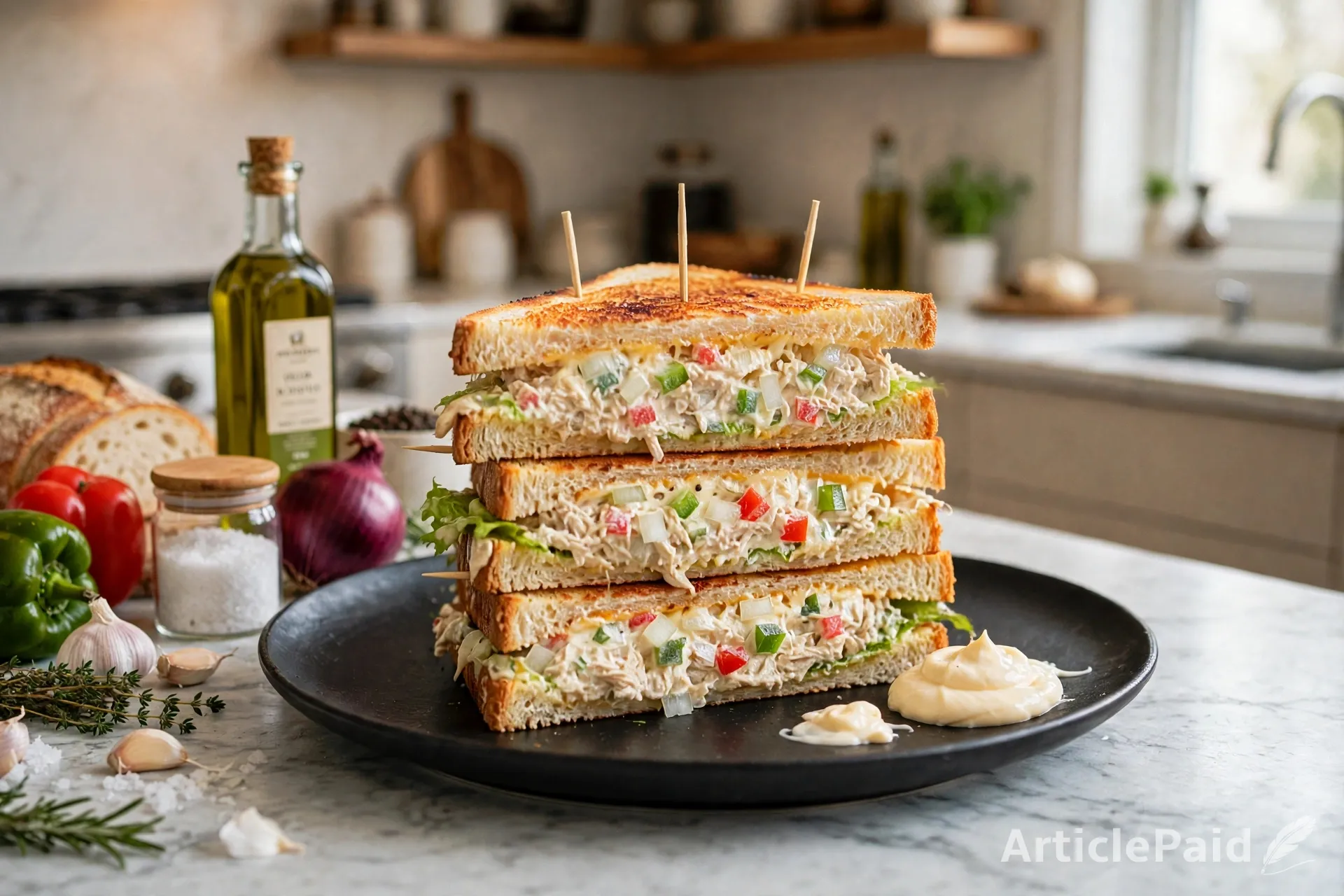
Try making some vegetable omelettes, lentil soup, homemade chicken sandwiches, fresh salads and rice with vegetables & beans.
If you plan a few meals ahead it can stop you from relying on fast food when you’re in a rush. Cooking the ingredients the night before can also make cooking easier.
7. Avoid Comparing Your Eating Habits With Others
Everyone will have a different lifestyle, favourite foods, budget, culture and nutritional needs. What works for one person may not for another.
Social media can make us feel like we need to have unrealistic expectations when it comes to eating healthier. Seeing beautifully presented meals and strict diets can make us feel like we’re doing something wrong.
Don’t compare yourself to others. Focus on creating healthy habits that work for you! You don’t need to spend a fortune on ingredients, go on trendy diets or have beautiful meals to make healthier choices.
Be consistent rather than perfect.
8. Be Patient And Take Notice Of Small Wins
Changing your diet can take time. Some days you may make amazing food choices and other days you may not. This is completely normal.
If you have a bad day just go back to eating healthily as usual.
Celebrate your small wins such as drinking more water, eating vegetables regularly, cooking from home and healthy snacking. These small changes can turn into long term healthy habits.
Also remember that eating healthily is just one part of your wellbeing. Being physically active, getting enough sleep and managing your stress will also make you eat healthier.
Conclusion
There’s no need to have strict rules, spend a fortune or give up all your favourite foods to start eating healthier. The key is to create a healthy relationship with food and make realistic changes.
Add healthy ingredients, enjoy your favourite foods in moderation, drink plenty of water and don’t compare. Most importantly, be patient. You don’t need to be perfect!
Eating healthier should make you feel better. By focusing on balance, enjoyment and being consistent you will create a sustainable lifestyle.











Responses (0)