
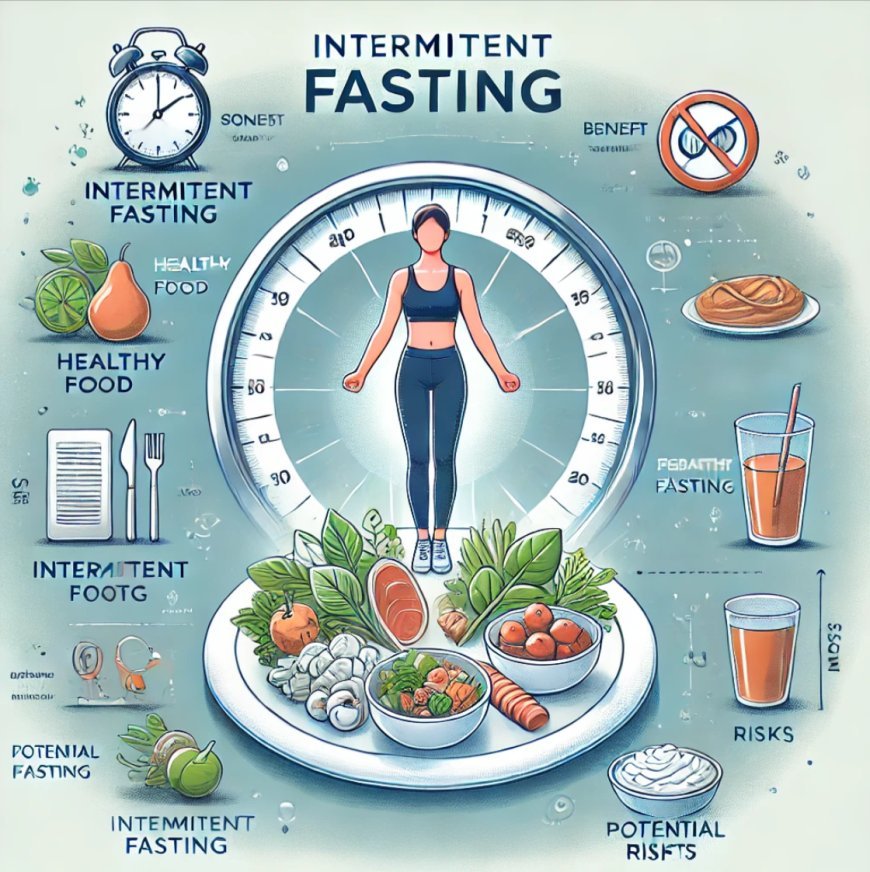
Introduction: Intermittent fasting (IF) has become a buzzword in the health and wellness community. Celebrities and influencers alike claim it’s the secret to weight loss, improved health, and more. But is it really all it's cracked up to be? In this article, we dive deep into the science behind intermittent fasting, examining both its benefits and potential risks.
What is Intermittent Fasting? Intermittent fasting involves cycling between periods of eating and fasting. Unlike traditional diets, it doesn’t prescribe specific foods to eat; instead, it focuses on when to eat. Common patterns include the 16/8 method (fast for 16 hours, eat during an 8-hour window) and the 5:2 method (eat normally for 5 days, fast on 2 non-consecutive days).
Benefits of Intermittent Fasting:
Continue reading this Article by amnakhushbakht
Join our community to access the full story. Creating an account is completely free and only takes a moment.
- Read unlimited free publications across the platform
- Directly support independent journalists and authors
- Join discussions, leave reactions, and save your favorites



















Responses (0)
Sign in to share your thoughts.
Sign in