
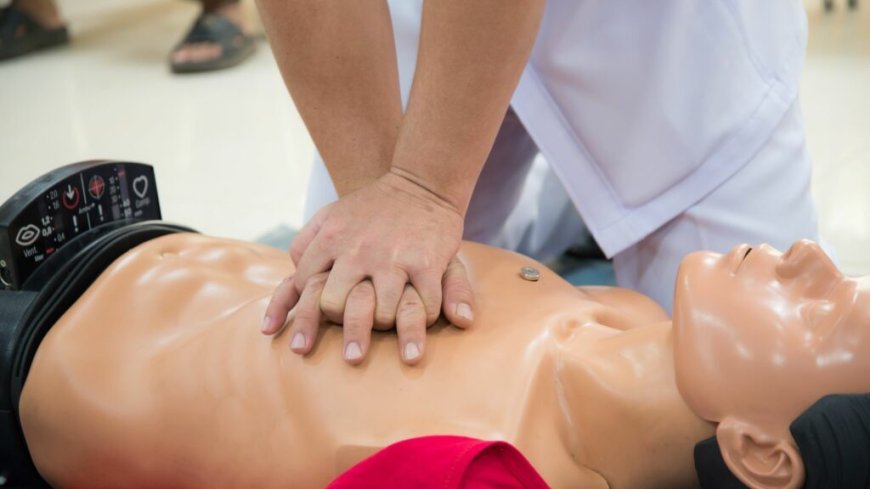
Cardiac arrest can strike without warning. In a matter of seconds, a person’s heartbeat and breathing can stop. In such moments, the difference between life and death often comes down to one vital skill: cardiopulmonary resuscitation (CPR). CPR is a simple but powerful technique that keeps blood and oxygen flowing to the brain and other vital organs when the heart stops beating. While emergency medical services (EMS) may take minutes to arrive, CPR can provide crucial support during that gap. This article dives into why CPR matters, how it works, and why learning it should be a priority for everyone.
1. What Is Cardiac Arrest?
Cardiac arrest occurs when the heart suddenly stops beating, cutting off blood flow to the brain and body. Unlike a heart attack, which is caused by a blockage, cardiac arrest is often due to electrical disturbances in the heart. This condition is immediately life-threatening and requires rapid response.
Continue reading this Article by leonard
Join our community to access the full story. Creating an account is completely free and only takes a moment.
- Read unlimited free publications across the platform
- Directly support independent journalists and authors
- Join discussions, leave reactions, and save your favorites





















Responses (0)
Sign in to share your thoughts.
Sign in