Depression and Anxiety: Symptoms, Causes, and Practical Ways to Cope
Depression and anxiety are among the most common mental health challenges globally, affecting millions of individuals regardless of age, background, or gender. While they are distinct conditions, they frequently coexist, creating an exhausting cycle of emotional and physical turmoil. Understanding their differences, root causes, and practical coping strategies is the first step toward regaining control and mental clarity.
Understanding the Differences & Symptoms

While anxiety centers around excessive fear, overthinking, and worry about the future, depression often reflects a persistent sense of sadness, numbness, and hopelessness about the present and past.
| Condition | Core Emotional Symptoms | Physical & Behavioral Indicators |
|---|---|---|
| Depression | Persistent sadness, loss of interest in hobbies, feeling worthless or guilty. | Fatigue, altered sleep patterns, significant appetite changes, low energy. |
| Anxiety | Constant worry, feeling on edge, restlessness, difficulty concentrating. | Muscle tension, rapid heartbeat, shortness of breath, sleep disturbance. |
Primary Causes of Depression and Anxiety
Mental health disorders rarely stem from a single trigger. Instead, they usually result from a combination of factors:
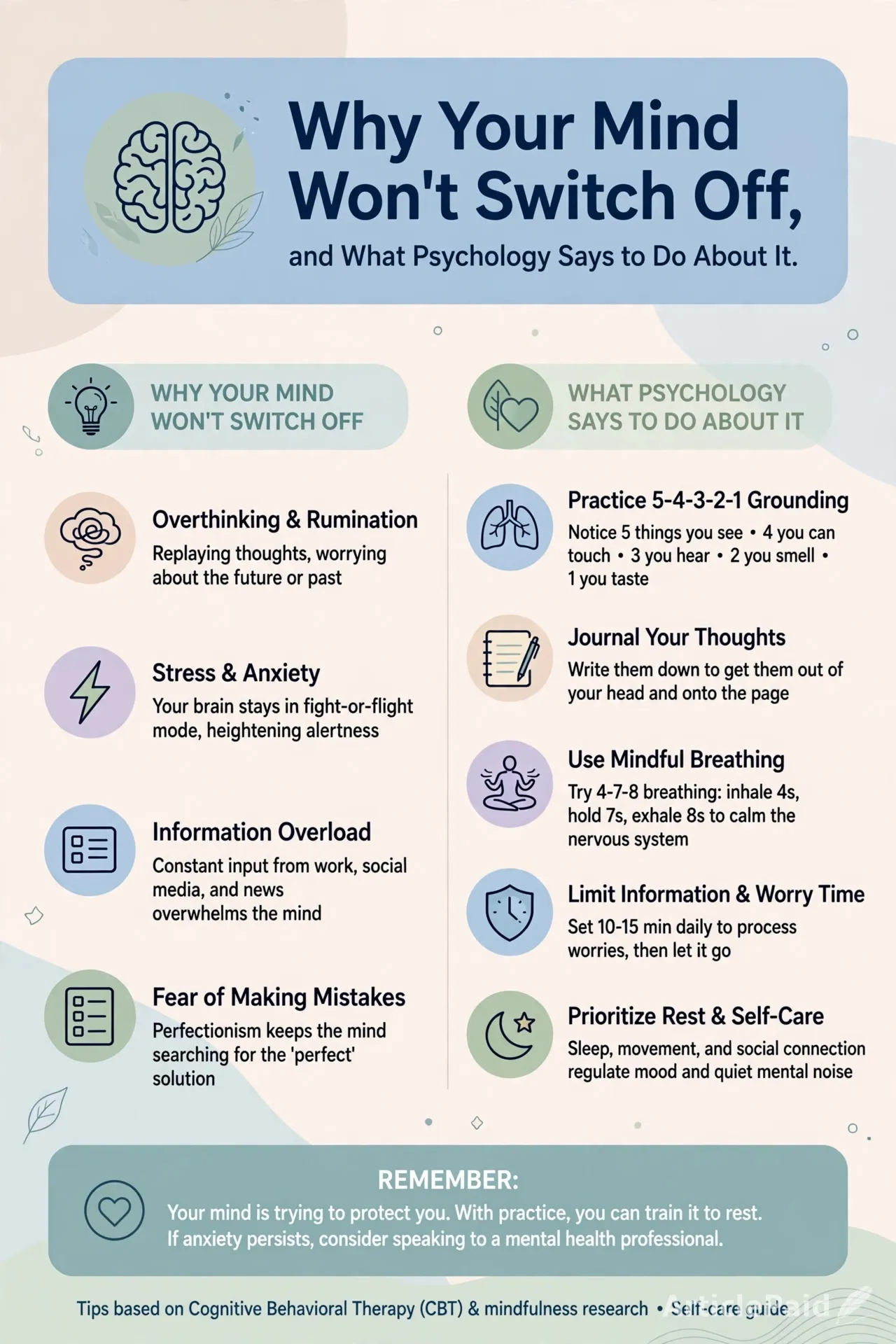
- Biological & Genetics: Brain chemistry imbalances (such as serotonin and dopamine levels) and a family history of mental health conditions play a significant role.
- Life Events & Trauma: Loss of a loved one, financial strain, relationship breakdowns, or childhood adversity can trigger chronic mental distress.
- Lifestyle & Environmental Stress: Prolonged high-stress environments, poor sleep habits, lack of physical movement, and social isolation contribute heavily to emotional distress.
Practical Ways to Cope and Heal

While professional help (such as therapy or counseling) is crucial for severe cases, several evidence-based lifestyle strategies can help manage and reduce daily symptoms effectively.
+-------------------------------------------------------------------+
|                     Daily Mental Wellness Loop                    |
+-------------------------------------------------------------------+
|  1. Move Daily (15-20 min) ---> Releases natural endorphins       |
|  2. Grounding & Mindfulness -> Calms nervous system overactivity  |
|  3. Micro-Task Focus    ---> Rebuilds momentum & confidence     |
|  4. Social Connection       ---> Reduces feelings of isolation    |
+-------------------------------------------------------------------+
1. Practice Grounding Techniques
When anxiety spikes, reconnect with the present moment by using the 5-4-3-2-1 sensory method: name 5 things you can see, 4 things you can touch, 3 things you can hear, 2 things you can smell, and 1 thing you can taste. This interrupts the panic cycle instantly.
2. Embrace Micro-Steps
Depression drains motivation and makes everyday tasks feel impossible. Break overwhelming responsibilities into tiny, manageable actions. Instead of aiming to finish a major project or clean the entire house, focus on a single, minor step. Completing small tasks builds momentum.
3. Establish a Healthy Physical Routine
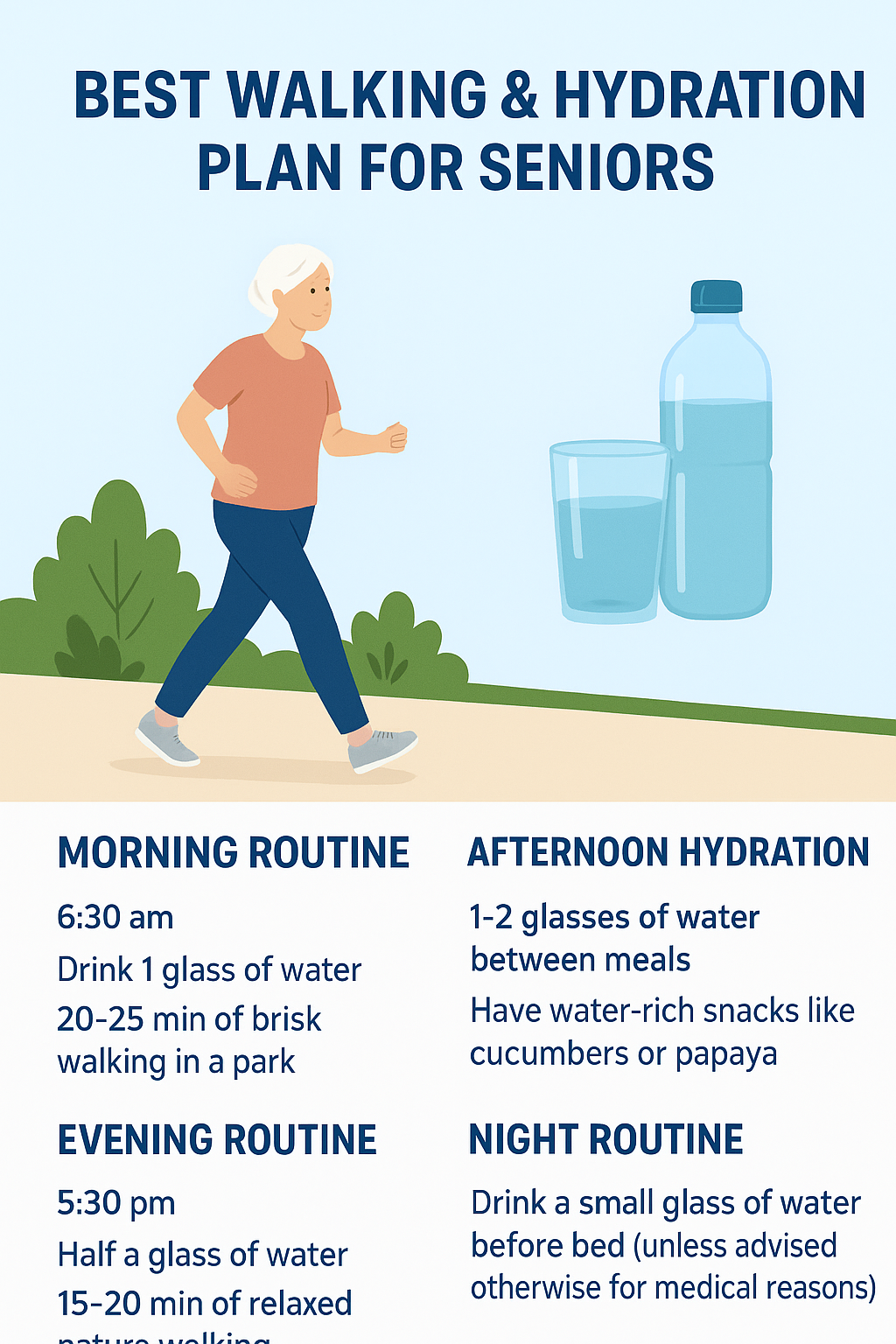
- Exercise: A 15-to-20-minute daily walk boosts serotonin and lowers stress hormones like cortisol.
- Sleep Hygiene: Maintain fixed sleep and wake times to regulate mood hormones.
- Digital Detox: Reduce exposure to distressing news and endless social media scrolling, especially right before bedtime.
4. Seek Connection & Professional Guidance
Isolation feeds depression. Reach out to a trusted friend or family member for a simple conversation. If self-help strategies are not enough, working with a licensed mental health professional provides tailored guidance to address root causes safely.
Conclusion
Experiencing depression or anxiety is not a sign of personal weakness; it is simply a signal that your mind and body need care and attention. Recovery takes time, patience, and consistency, but by taking small daily steps and seeking support, it is entirely possible to restore peace, balance, and vitality to your life.



















Responses (0)
Sign in to share your thoughts.
Sign in