
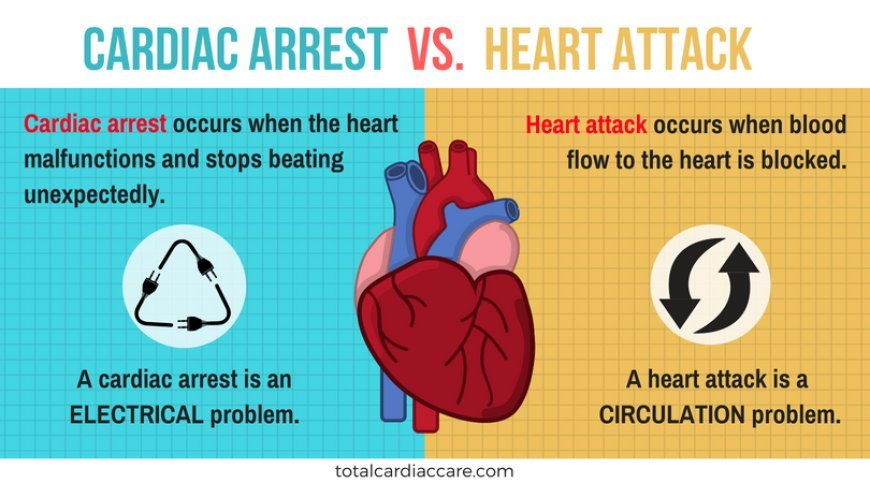
Understanding the distinct differences between heart attacks and cardiac arrest is critical—these two life-threatening events are often mistaken as the same, but they require different immediate responses and long-term care. Both involve the heart but affect it in fundamentally different ways. Heart attacks typically stem from blocked arteries restricting blood flow, while cardiac arrest involves a sudden cessation of the heart’s electrical activity. This article unpacks the essential nuances between these conditions, equipping you with knowledge that could save lives.
1. Defining a Heart Attack
A heart attack—medically termed myocardial infarction—occurs when a blood clot forms in one of the coronary arteries, blocking blood flow to part of the heart muscle. Deprived of oxygen and essential nutrients, heart tissue begins to die within minutes. This typically develops gradually, as plaque builds up in the arteries over years, eventually rupturing and triggering clot formation.
During a heart attack, the victim may experience chest pain, pressure, or tightness that can radiate to the arm, back, neck, or jaw. Unlike cardiac arrest, the heart usually continues beating, allowing a window for medical intervention. Prompt treatment restores blood flow and reduces heart damage. Treatments include medications like aspirin, clot-busters, and emergency procedures like angioplasty or coronary artery bypass grafting.
Characteristics of a heart attack:
- Caused by blocked coronary arteries
- Symptoms include chest discomfort and pain radiating outward
- Heart continues pumping; medical treatment is essential
2. Defining Cardiac Arrest
Cardiac arrest is the sudden and complete loss of heart function, often caused by an electrical disturbance like ventricular fibrillation. This disrupts the heart's ability to contract and pump blood, causing immediate collapse. Unlike a heart attack, cardiac arrest arises without warning and disrupts all bodily functions.
Within seconds, the person loses consciousness and stops breathing. Without immediate intervention—CPR and defibrillation—the person will die. While heart attacks can lead to cardiac arrest, not all arrests stem from blockages; they can stem from arrhythmias, electric shocks, drowning, or severe respiratory acidosis.
Characteristics of cardiac arrest:
- Sudden loss of heartbeat and consciousness
- No pulse, no breathing, immediate emergency response needed
- Treatment involves CPR and defibrillation
3. Causes: Blockage vs. Electrical Failure
The root cause of a heart attack is mechanical: plaque buildup within coronary arteries leading to a blood clot, reducing oxygen flow to the heart muscle. High cholesterol, high blood pressure, smoking, diabetes, and obesity contribute to plaque formation and eventual rupture.
Cardiac arrest, on the other hand, is primarily electrical. The heart’s electrical system malfunctions, resulting in arrhythmias like ventricular fibrillation or ventricular tachycardia. These chaotic rhythms can stop the heart from pumping despite no physical blockage present. Factors include a past heart attack, congenital heart defects, or even electrolyte imbalances.
Comparative causes:
- Heart attack: plaque buildup and artery blockage
- Cardiac arrest: erratic electrical activity
- Shared risk factors: heart disease, high blood pressure, smoking
4. Symptoms: Slow Onset vs. Sudden Collapse
Symptoms of a heart attack usually build gradually. Individuals may experience chest pain, shortness of breath, nausea, cold sweats, lightheadedness, and anxiety. These warning signs can last minutes or come and go. With early recognition and quick medical care, long-term damage may be minimized.
Cardiac arrest strikes instantly. The person collapses, becomes unresponsive, and stops breathing. Seizures, gasping for breath, or sudden cessation of breathing are common. Without immediate CPR or defibrillation, brain damage and death can occur within minutes.
Symptom breakdown:
- Heart attack: chest pressure, discomfort, fatigue, nausea
- Cardiac arrest: sudden collapse, unresponsiveness, no breathing
5. Diagnosis: EKG vs. Blood Flow Testing
Diagnosing a heart attack typically involves examining EKG changes (such as ST elevation), alongside blood tests for cardiac enzymes like troponin, which indicate heart muscle damage. Medical imaging—angiography or CT scans—helps locate the blockage and guide treatment decisions.
In cardiac arrest, diagnosis occurs in real time. First responders assess responsiveness, breathing, and pulse. An ECG protects by confirming whether defibrillation is necessary, usually indicated by structures such as ventricular fibrillation. Recovery requires restoration of circulation with CPR and defibrillation, after which further evaluation can reveal root causes and guide long-term therapy.
Diagnostic methods:
- Heart attack: EKG, troponin levels, imaging to locate blockages
- Cardiac arrest: immediate pulse/breath check, ECG to direct defibrillation
6. Immediate Treatment: Medications vs. CPR
The initial goal in treating a heart attack is to restore blood flow quickly. Patients receive aspirin, nitroglycerin, oxygen therapy, and possibly clot-dissolving medications. Emergency angioplasty opens blocked arteries. Swift treatment minimizes damage to heart muscle and improves outcomes.
For cardiac arrest, time is of the essence. The chain of survival emphasizes early CPR to maintain circulation, defibrillation to restore heartbeat, advanced life support, and post-resuscitation care. Defibrillators can restore normal rhythm, but immediate intervention determines survival odds.
Emergency response steps:
- Heart attack: aspirin, nitroglycerin, oxygen, clot-dissolving drugs, angioplasty
- Cardiac arrest: call 911, perform CPR, use AED, advanced medical care
7. Long-Term Treatment: Lifestyle vs. Implanted Devices
Post–heart attack, patients often continue medications like ACE inhibitors, beta-blockers, statins, and antiplatelet agents. Lifestyle modifications in diet, exercise, and smoking cessation are crucial. Cardiac rehabilitation programs support sustained recovery and reduce the chance of recurrence.
Following cardiac arrest, survivors may receive an implantable cardioverter-defibrillator (ICD) that detects dangerous arrhythmias and delivers corrective shocks. Antiarrhythmic drugs control heart rhythm. Lifestyle changes, monitoring, and genetic testing may guide prevention of future episodes.
Post-episode recovery:
- Heart attack: medication, rehabilitation, lifestyle changes
- Cardiac arrest: ICD placement, antiarrhythmic therapy, monitoring
8. Prognosis: Survival and Outcomes
Prognosis for heart attack depends on factors like time to treatment, damage extent, and follow-through on lifestyle changes. Many patients return to healthy lives with full treatment. However, recurring attacks remain possible without preventive efforts.
Cardiac arrest is far more fatal—over half of episodes occurring outside hospitals result in death before arrival. Survival is determined by response speed; outcomes hinge on immediate CPR and AED use. Survivors often deal with neurological issues and require long-term care.
Prognosis highlights:
- Heart attack: high survival with early treatment, risk managed by lifestyle
- Cardiac arrest: rapid onset fatality risk, dependent on immediate resuscitation
9. Prevention: Risk Factor Management
Preventing a heart attack focuses on managing risk factors: lowering cholesterol and blood pressure, maintaining healthy weight, avoiding smoking, and controlling diabetes. Regular checkups and heart-healthy habits reduce arterial plaque buildup.
To prevent cardiac arrest, mitigation focuses on managing heart conditions, treating arrhythmias early, and installing ICDs in at-risk individuals. Genetic screening, medication adherence, and treatment of electrolyte imbalances are important.
Preventive strategies:
- Heart attack: healthy diet, exercise, medication for cholesterol/hypertension
- Cardiac arrest: monitor arrhythmias, treat heart disease, consider ICD implantation
10. When Seconds Count: Knowing What to Do
Both emergencies require rapid, informed responses—but actions differ. In a heart attack, quick recognition of symptoms and calling emergency services can make a life-saving difference. While CPR may be beneficial if the patient collapses, the priority remains professional medical assessment.
In cardiac arrest, immediate identification (unconscious, no pulse, not breathing) triggers urgent CPR followed by an AED. Every minute delayed reduces survival rates dramatically.
Actionable steps:
- Heart attack: recognize signs, call emergency services, chew aspirin if appropriate
- Cardiac arrest: check responsiveness, begin CPR, use AED if available
Conclusion
While heart attacks and cardiac arrest both involve the heart, they differ in cause, symptoms, and treatment. Heart attacks develop from blocked arteries and present gradually, allowing time for medical intervention. Cardiac arrest, however, is sudden and electrical, leading to immediate collapse and requiring instant CPR. Understanding their distinctions matters—not just for recognizing danger, but for taking the correct and timely action. By educating yourself and loved ones, maintaining a heart-healthy lifestyle, and knowing how to respond, you can safeguard your life and that of others.



















Responses (0)
Sign in to share your thoughts.
Sign in