
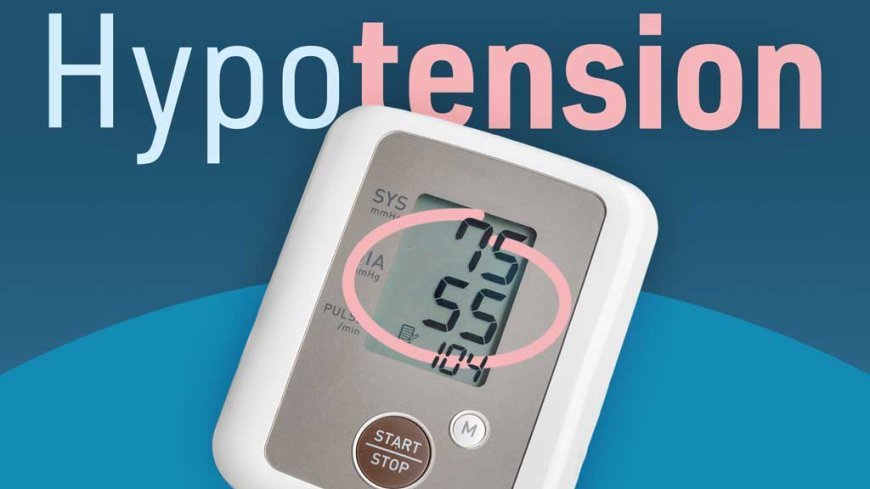
Low blood pressure, medically known as hypotension, occurs when your blood pressure drops below the normal range—generally less than 90/60 mmHg. While it may seem desirable compared to high blood pressure, hypotension can be just as dangerous if not managed properly. It often goes unnoticed until symptoms begin to interfere with daily life or signal more serious health problems. Understanding the symptoms, potential risks, and when to consult a healthcare provider is vital for maintaining your health and preventing complications.
What Is Considered Low Blood Pressure?
Blood pressure is measured using two numbers: systolic (the pressure in your arteries when your heart beats) and diastolic (the pressure between beats). A reading below 90 systolic or 60 diastolic is considered low. However, what is low for one person may be normal for another, especially if there are no symptoms present.
Continue reading this piece by leonard
Join our community to access the full story. Creating an account is completely free and only takes a moment.
- Read unlimited free publications across the platform
- Directly support independent journalists and authors
- Join discussions, leave reactions, and save your favorites






















Responses (0)
Sign in to share your thoughts.
Sign in