
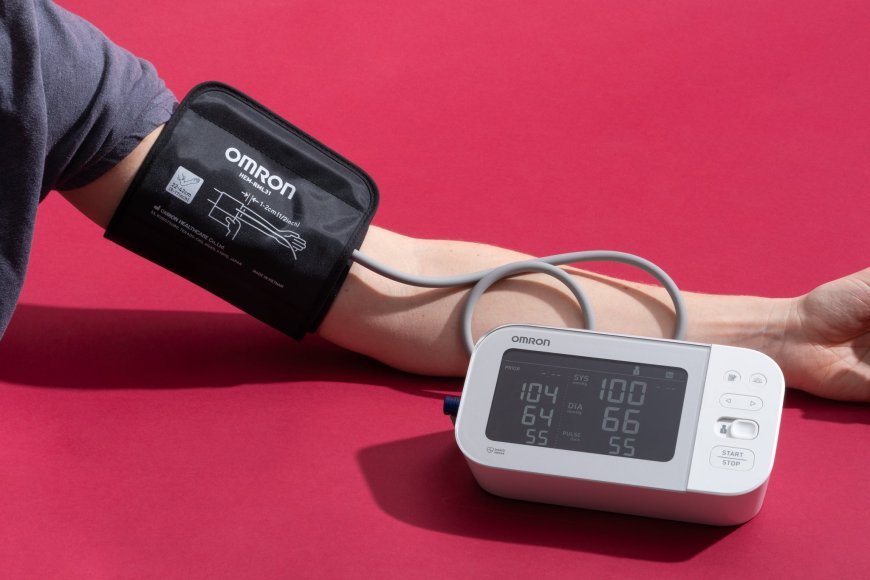
Monitoring blood pressure at home is a proactive way to manage your cardiovascular health. With hypertension known as the “silent killer,” keeping tabs on your numbers can help detect issues early and avoid serious complications like heart attacks, strokes, and kidney disease. Thanks to advances in technology, home blood pressure monitors are more accurate, affordable, and user-friendly than ever before. Whether you're newly diagnosed with high blood pressure or simply want to keep track of your readings, investing in the right device can make a world of difference. In this guide, we’ll explore the benefits of monitoring your blood pressure at home, the best models available, and how to use them correctly.
Why Monitor Blood Pressure at Home
Regular monitoring offers several advantages beyond occasional checks at the doctor’s office. First, it provides a fuller picture of your blood pressure trends. Blood pressure can fluctuate throughout the day due to stress, meals, activity, and sleep. Home readings taken consistently over time reveal patterns that single clinical visits may miss. Monitoring at home also helps eliminate “white coat hypertension,” where anxiety in a clinical setting temporarily raises your blood pressure.
Continue reading this Article by leonard
Join our community to access the full story. Creating an account is completely free and only takes a moment.
- Read unlimited free publications across the platform
- Directly support independent journalists and authors
- Join discussions, leave reactions, and save your favorites






















Responses (0)
Sign in to share your thoughts.
Sign in