
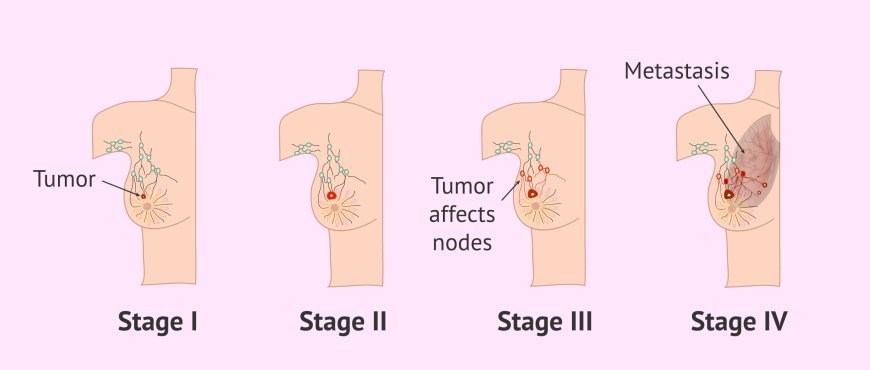
Breast cancer is one of the most common forms of cancer among women worldwide, and understanding its stages is crucial for early detection, informed decision-making, and effective treatment. The stage of breast cancer defines how far the disease has progressed and plays a key role in developing a personalized treatment plan. These stages range from zero (non-invasive) to stage IV (advanced cancer that has spread). Each stage presents different challenges and treatment options, and knowing the specifics can help patients and their loved ones navigate the journey with confidence. This article breaks down every stage of breast cancer in detail, helping you gain a clearer understanding of the condition, its progression, and its impact.
Stage 0: Ductal Carcinoma In Situ (DCIS)
Stage 0 breast cancer is considered a non-invasive form of the disease. This means that the cancer cells are still confined to the ducts in the breast and have not spread into the surrounding breast tissue. Although it is the earliest possible stage, DCIS can still be a serious condition that requires medical attention and appropriate treatment. Since the cancer has not yet invaded other parts of the breast, early intervention can prevent it from progressing to invasive stages. Treatment for DCIS often includes surgery and may also involve radiation therapy to reduce the risk of recurrence. Hormonal therapy might be recommended if the cancer is hormone receptor-positive.
Continue reading this Article by leonard
Join our community to access the full story. Creating an account is completely free and only takes a moment.
- Read unlimited free publications across the platform
- Directly support independent journalists and authors
- Join discussions, leave reactions, and save your favorites























Responses (0)
Sign in to share your thoughts.
Sign in