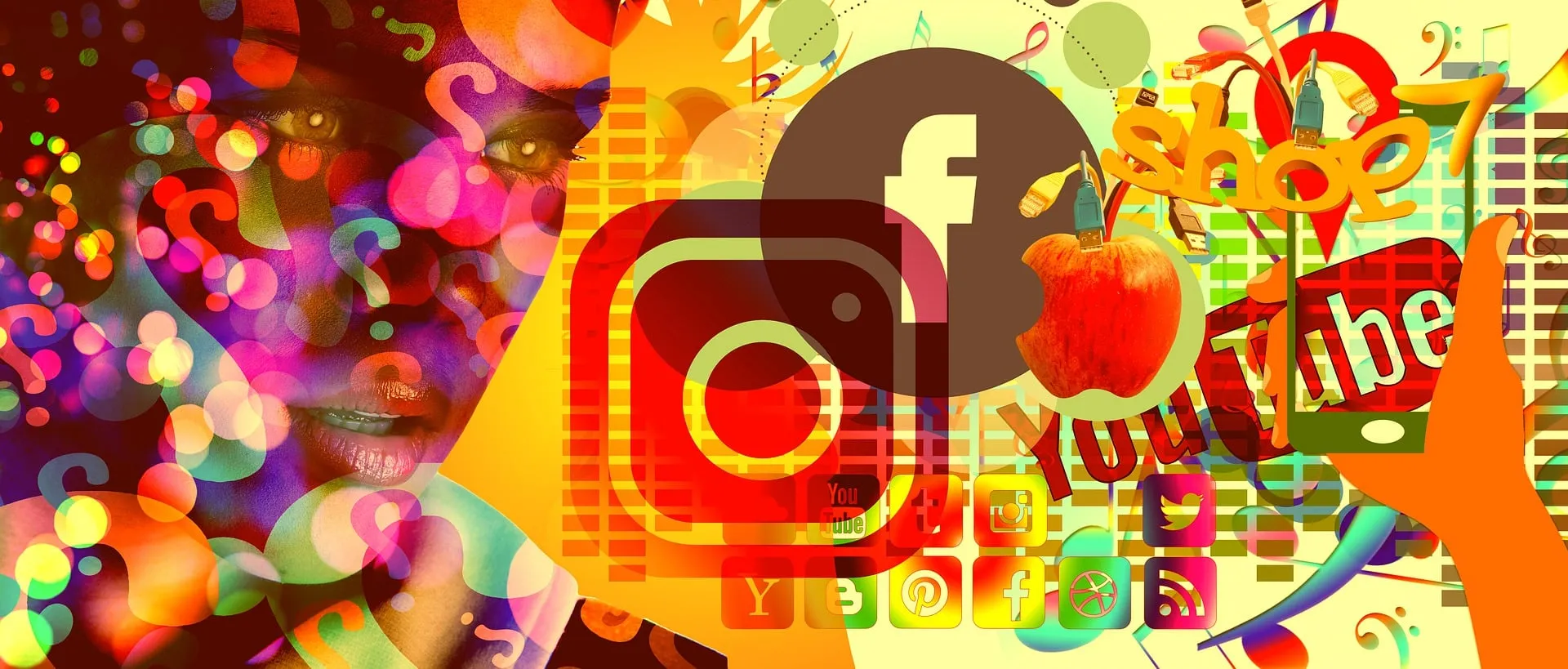
In modern era, technology and social media platforms transformed the way we communicate interact and think. Nowadays, social media has become an integral part of our daily lives. Billions of people are worldwide interconnected through platforms like Facebook, Twitter, Instagram, TikTok and many other, offering entertainment, communication and access to information from anywhere in the world. While these platforms have infinite benefits, their excessive use make people get addicted to it. Many peoples spend hours in scrolling and surfing over internet, this is not accidental, it is because of psychological mechanisms that affect human behavior. By understanding the psychology behind social media addiction, we can explain how social media affect mental health, relationship and daily lives.
Reward system
One reason of social media addiction is it's reward system. Every comment, like, notification feels like a sense of satisfaction and achievement. In psychology it is a positive reinforcement. It motivates users to return back to social media repeatedly, hoping another rewarding interaction.
Role of Dopamine
Dopamine ( a chemical messenger in the brain associated with motivation and happiness) plays a crucial role in social media interaction. Dopamine is linked with with the experience of rewarding expectations. If it continues, it encourage the user to repeatedly check for any notification or comment. This can develop into a strong habit, making it difficult for the user to limit their screen time.
Continue reading this Article by imtiaz
Join our community to access the full story. Creating an account is completely free and only takes a moment.
- Read unlimited free publications across the platform
- Directly support independent journalists and authors
- Join discussions, leave reactions, and save your favorites
Sign In / Create Free Account






















Responses (0)
Sign in to share your thoughts.
Sign in