

In today’s busy world, many of us are constantly on the go, juggling work, family, and personal obligations. As we push ourselves to meet deadlines and manage responsibilities, rest often takes a backseat. However, rest is not just a luxury—it’s an essential component of maintaining good health. From physical recovery to mental clarity, rest is crucial for both your body and mind.
10 Tips for Getting Better Rest and Improving Health
- Prioritize Sleep: Aim for 7-9 hours of sleep every night to allow your body and mind to recover properly.
- Create a Sleep Schedule: Go to bed and wake up at the same time each day, even on weekends, to regulate your body’s internal clock.
- Limit Screen Time Before Bed: Avoid screens (phones, computers, TVs) at least 30-60 minutes before bedtime to prevent blue light from interfering with sleep.
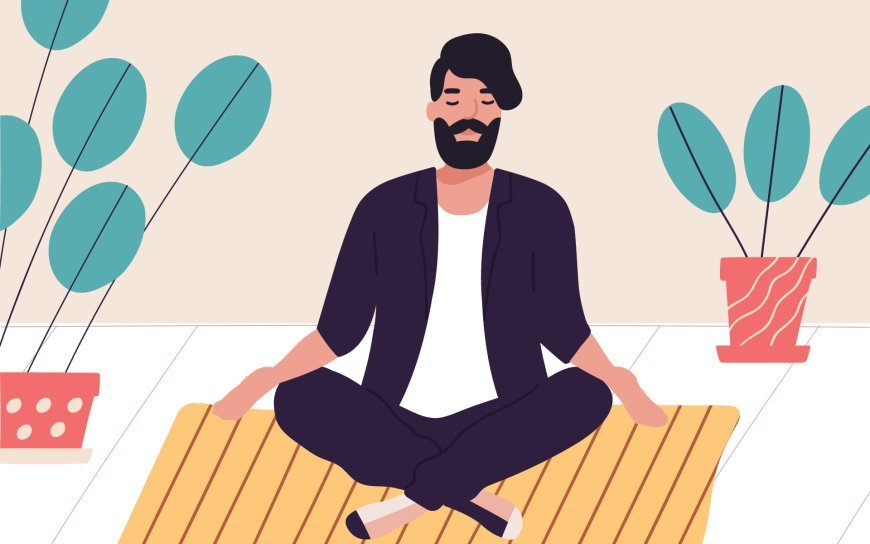
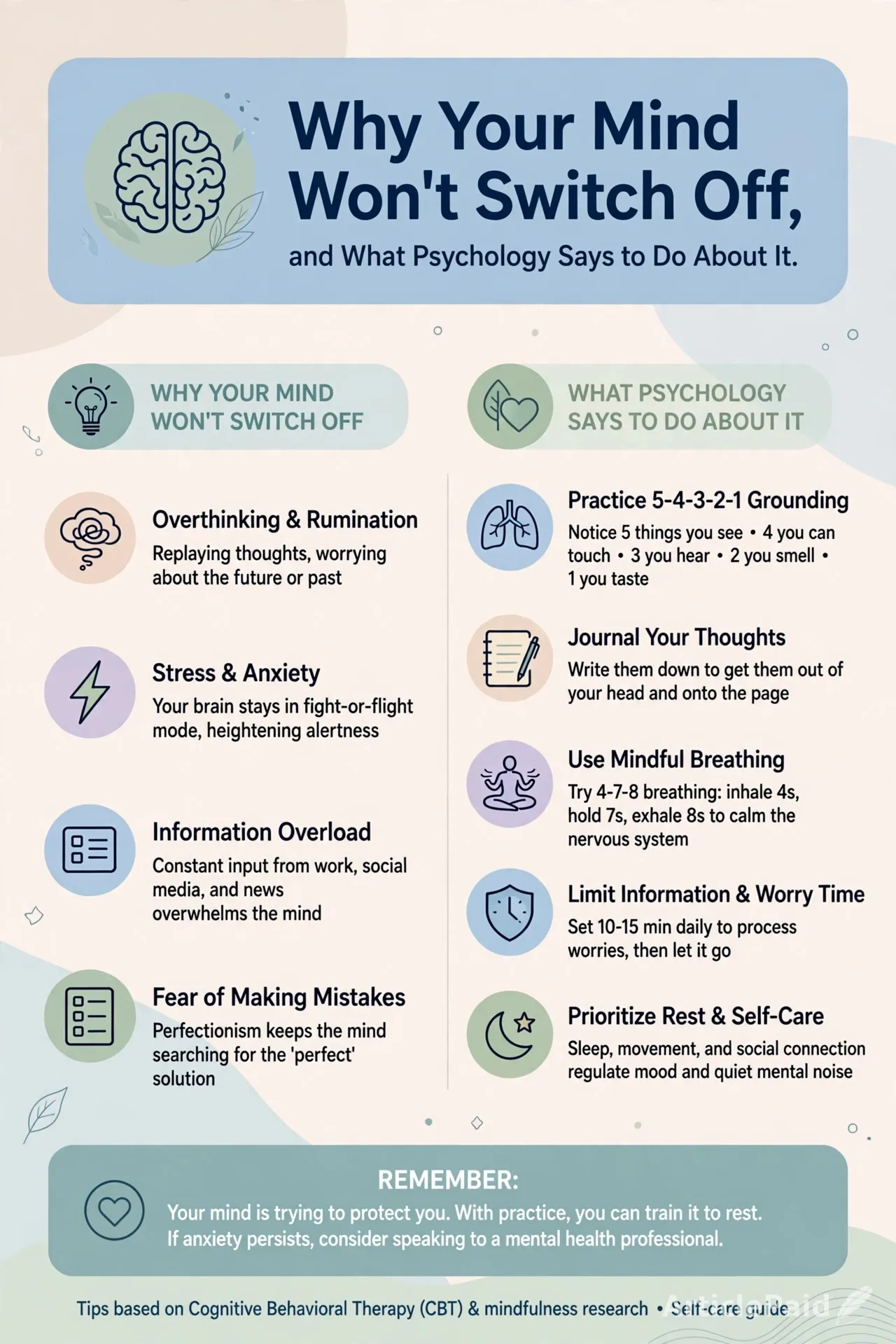
- Practice Relaxation Techniques: Use deep breathing, meditation, or light yoga to relax and calm your mind before sleep.
- Create a Comfortable Sleep Environment: Keep your bedroom dark, quiet, and cool for optimal sleep quality.
- Avoid Caffeine and Heavy Meals Before Bed: Steer clear of caffeine, nicotine, and heavy meals in the hours before sleep to avoid disrupting your rest.
- Stay Active During the Day: Regular physical activity helps you fall asleep more easily and improves sleep quality.
- Avoid Napping Late in the Day: If you need a nap, try to limit it to 20-30 minutes earlier in the day to prevent interfering with nighttime sleep.
- Manage Stress: Reduce stress through mindfulness, relaxation, or hobbies to help improve both the quality and quantity of your sleep.
- Seek Professional Help if Needed: If you consistently struggle with sleep, consider talking to a healthcare provider to identify and address any underlying issues.
1. Rest Supports Physical Health and Healing
One of the primary reasons rest is necessary for health is its role in physical recovery. Your body works hard throughout the day, whether you're exercising, working, or simply moving around. Without adequate rest, your muscles, tissues, and cells don’t have time to repair themselves.
During sleep, your body enters a state of deep rest where it heals and rejuvenates. Blood flow increases to your muscles, and growth hormones are released, which helps in muscle repair and growth. This is why athletes emphasize rest days as part of their training regimen. Proper rest also supports your immune system, reducing your risk of illness and helping you recover faster from sickness.
2. Rest Enhances Mental Clarity and Cognitive Function
Rest is just as important for your brain as it is for your body. Sleep, in particular, plays a critical role in memory consolidation, learning, and cognitive function. During sleep, your brain processes and organizes the information it has absorbed throughout the day, strengthening memories and clearing away unnecessary clutter.
Chronic sleep deprivation has been linked to reduced focus, poor decision-making, and difficulty concentrating. If you’re trying to be productive or stay sharp at work or school, adequate rest is essential. Well-rested individuals tend to perform better on cognitive tasks, maintain a positive outlook, and experience lower levels of stress and anxiety.
3. Rest Reduces Stress and Promotes Emotional Health
In addition to physical and cognitive benefits, rest is crucial for emotional well-being. When you don’t get enough rest, your body releases stress hormones like cortisol, which can contribute to feelings of anxiety, irritability, and even depression. On the other hand, when you allow yourself proper rest, your body can better regulate these stress hormones, promoting a sense of calm and emotional balance.
Adequate rest can also improve your mood and increase resilience to stress. People who get enough sleep tend to feel happier, more balanced, and better equipped to cope with life’s challenges. Rest provides the mental space needed to process emotions and maintain a positive outlook.
4. Rest Improves Long-Term Health
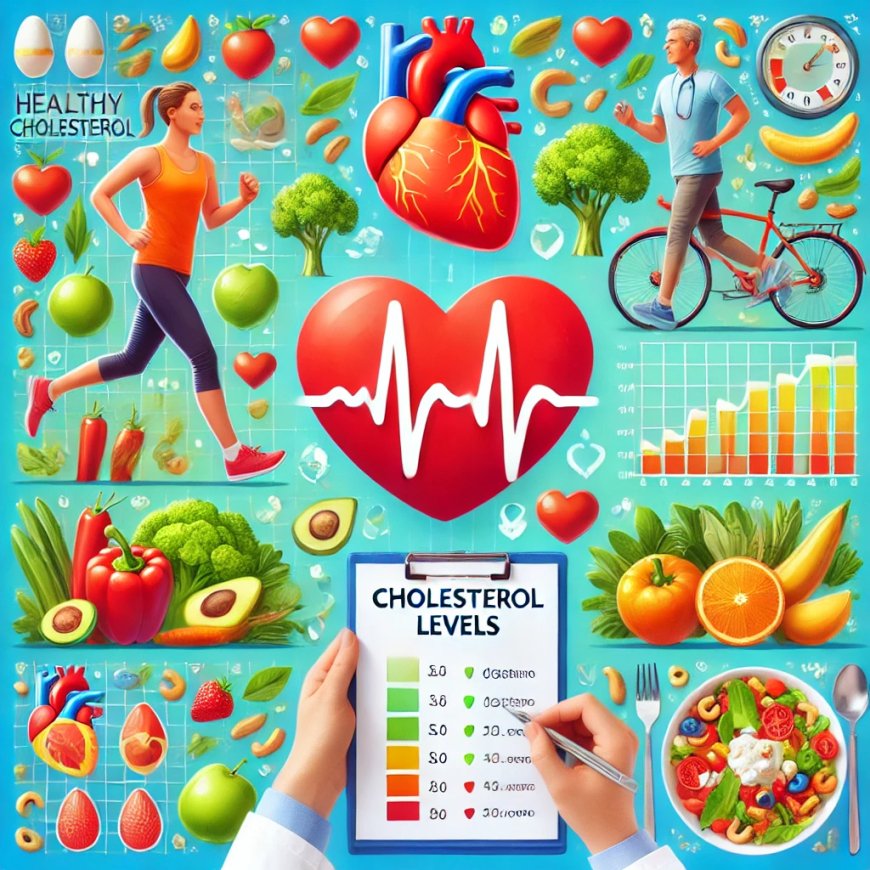
Long-term health is heavily influenced by your rest habits. Chronic sleep deprivation has been associated with a variety of health issues, including obesity, heart disease, diabetes, and even a shorter life expectancy. When you rest properly, your body’s natural processes, like hormone regulation and metabolism, function more efficiently.
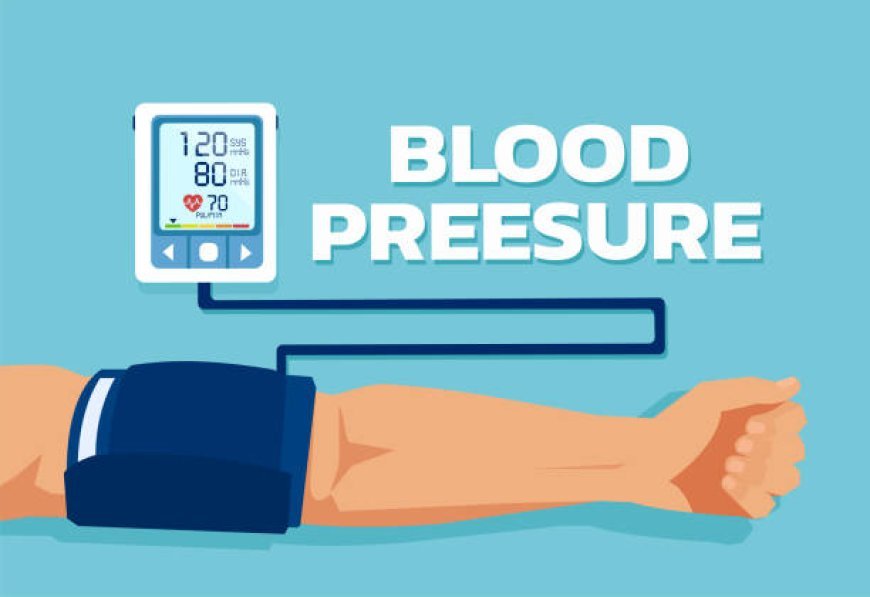
In contrast, when rest is sacrificed for work or other obligations, your body struggles to maintain balance, leading to a higher risk of chronic conditions. Research shows that consistent, quality rest can reduce the risk of high blood pressure, heart disease, and other long-term health complications.
5. Rest Enhances Productivity and Focus
It may seem like working longer hours or skipping rest will help you get more done, but in reality, it has the opposite effect. Lack of rest leads to burnout, decreased focus, and a drop in productivity. Rest allows your brain and body to recharge, so when you return to work or other activities, you can do so with greater focus and energy.
When you give yourself permission to rest, you’re actually investing in your productivity. Studies show that people who take regular breaks and get enough sleep are more efficient and less prone to mistakes. Rest helps to keep your mind sharp, so you’re able to perform tasks with greater accuracy and creativity.
Rest is Essential for Your Health and Happiness
In a world that often values busyness and productivity above all else, it’s easy to forget the importance of rest. However, rest is essential for maintaining good health, improving mental clarity, managing stress, and promoting long-term well-being. Whether it’s a good night’s sleep or simply taking a few minutes to relax during the day, incorporating regular rest into your routine can make a world of difference in your overall health and happiness.
Remember, rest is not a luxury—it’s a vital part of a healthy lifestyle. So the next time you feel overwhelmed or exhausted, give yourself the permission to rest. Your body and mind will thank you for it.



















Responses (0)
Sign in to share your thoughts.
Sign in