
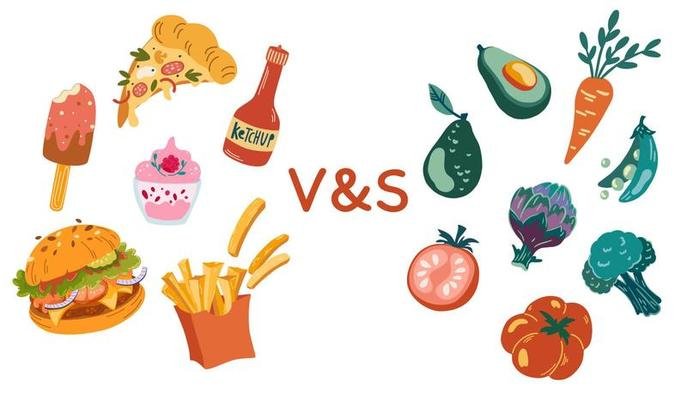
In our fast-paced modern lives, grabbing a quick snack or ready-made meal—anything that’s tasty, cheap, and accessible—often takes precedence over thoughtful meal preparation. But this convenience can come at a steep cost: the familiar tension between health food and junk food, or more precisely, ultra-processed foods, has never been starker. Let’s explore why real, nutrient-rich foods outperform ultra-processed counterparts, how the tide is shifting scientifically, and what this means for your everyday well-being.
1. What's at Stake: Defining Health Food vs. Junk Food
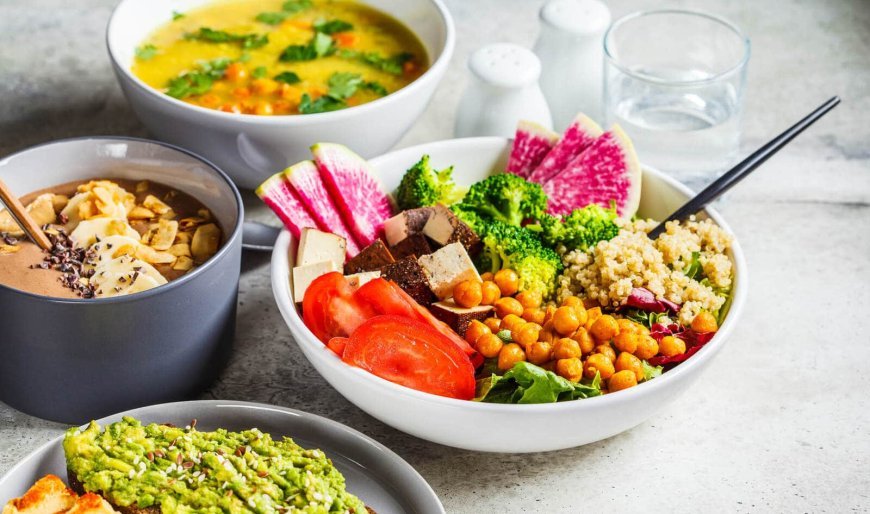
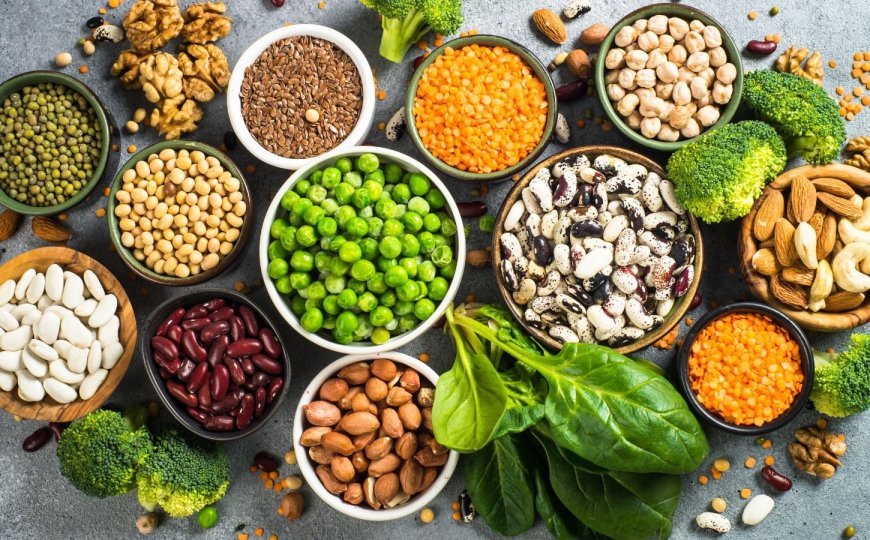
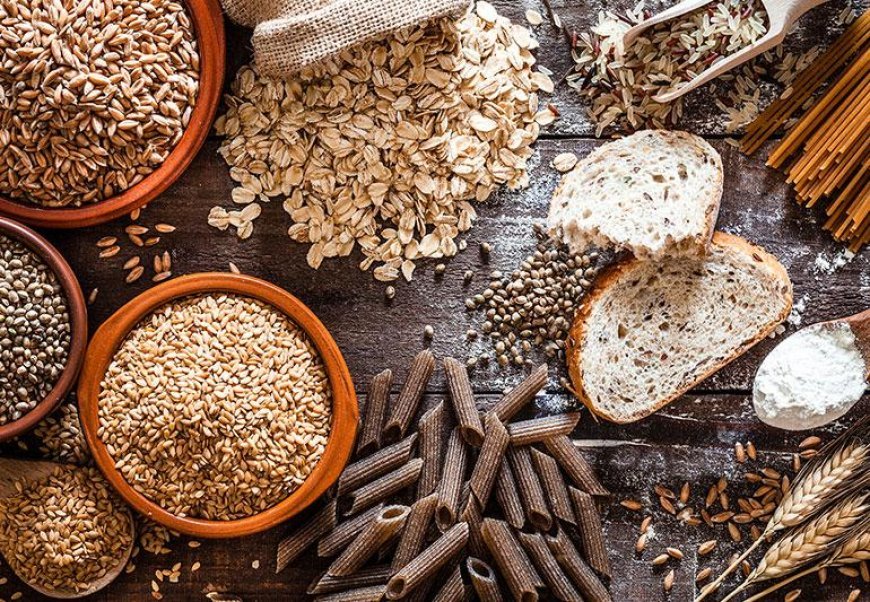
The World Health Organization (WHO) recommends eating at least 400 grams of whole fruits, vegetables, legumes, whole grains, and nuts daily; limiting fats to under 30% of calories; cutting back on simple sugars and salt; and avoiding trans fats altogether.
Continue reading this Article by manishdubey
Join our community to access the full story. Creating an account is completely free and only takes a moment.
- Read unlimited free publications across the platform
- Directly support independent journalists and authors
- Join discussions, leave reactions, and save your favorites
















Responses (0)
Sign in to share your thoughts.
Sign in