
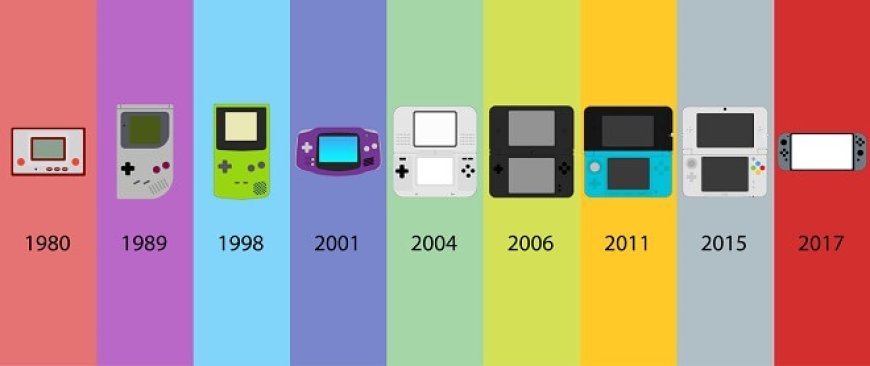
Video games have come a long way from their humble beginnings. What started as basic pixels bouncing on a screen has transformed into breathtakingly realistic worlds powered by sophisticated graphics engines. The evolution of video game visuals reflects both technological innovation and the industry's growing artistic ambitions. Players now experience games that blur the line between digital and reality. This article explores how video games evolved from blocky sprites to near-photorealistic renderings, diving into major milestones, key technologies, and cultural shifts along the way.
1. The Pixel Age: Birth of the Video Game Industry
The earliest video games emerged in the 1970s and early 1980s. Games like Pong and Space Invaders introduced players to simplistic, pixel-based visuals. Back then, limitations in computing power meant developers had to be creative with very few resources. Most graphics were monochrome or had limited color palettes, with characters and environments constructed from a handful of large pixels.
Continue reading this Article by leonard
Join our community to access the full story. Creating an account is completely free and only takes a moment.
- Read unlimited free publications across the platform
- Directly support independent journalists and authors
- Join discussions, leave reactions, and save your favorites























Responses (0)
Sign in to share your thoughts.
Sign in