Taro: Traditional Root with a Modern Twist and Nutrition ✅
Mar 13, 2026
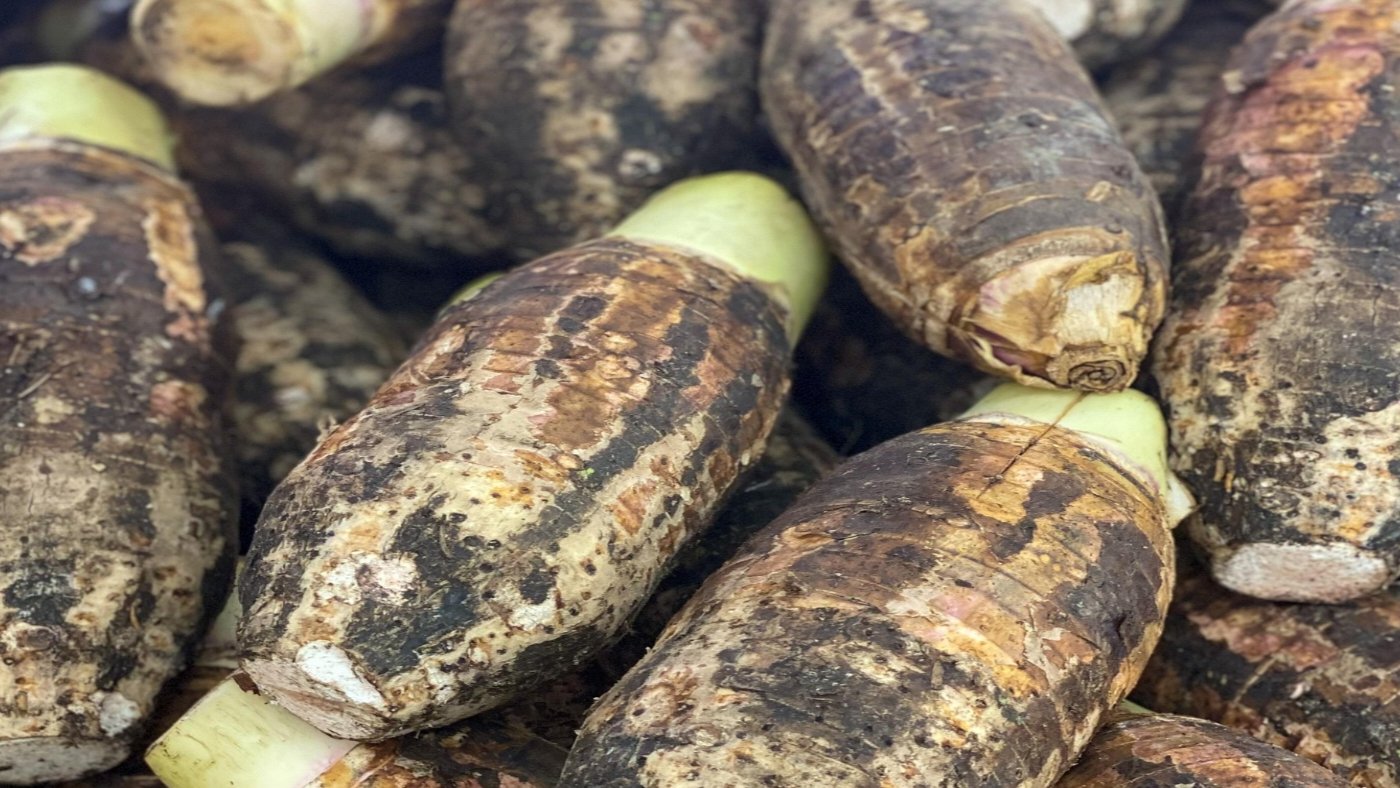
Taro, often seen as a traditional staple, has great potential as a superfood and a versatile ingredient in modern cuisine.
1. Nutritional Value of Taro
Taro is rich in fiber, vitamin C, vitamin E, and essential minerals such as potassium and magnesium. These nutrients help to:
Support healthy digestion
Promote heart health
Provide steady energy without causing sugar spikes
2. Taro in Modern Culinary Creations
Taro can now be transformed into:
Healthy puddings or cakes as a flour alternative
Baked chips or snacks with less oil for a healthier treat
Smoothies or breakfast bowls blended with fruits and other superfoods
3. A Healthy Carbohydrate Alternative
Taro can replace rice or potatoes in daily meals. Its high fiber content helps keep you fuller for longer, supporting a balanced diet.
4. Cooking Tips to Preserve Nutrients
Steaming is better than boiling to retain water-soluble vitamins.
Roasting with the skin on helps preserve fiber and antioxidants.
Avoid adding excessive sugar or salt when preparing sweet or savory dishes.
With a little creativity, taro can be more than just a traditional food—it becomes a modern, delicious, and nutritious ingredient suitable for anyone seeking a healthy yet flavorful diet.