
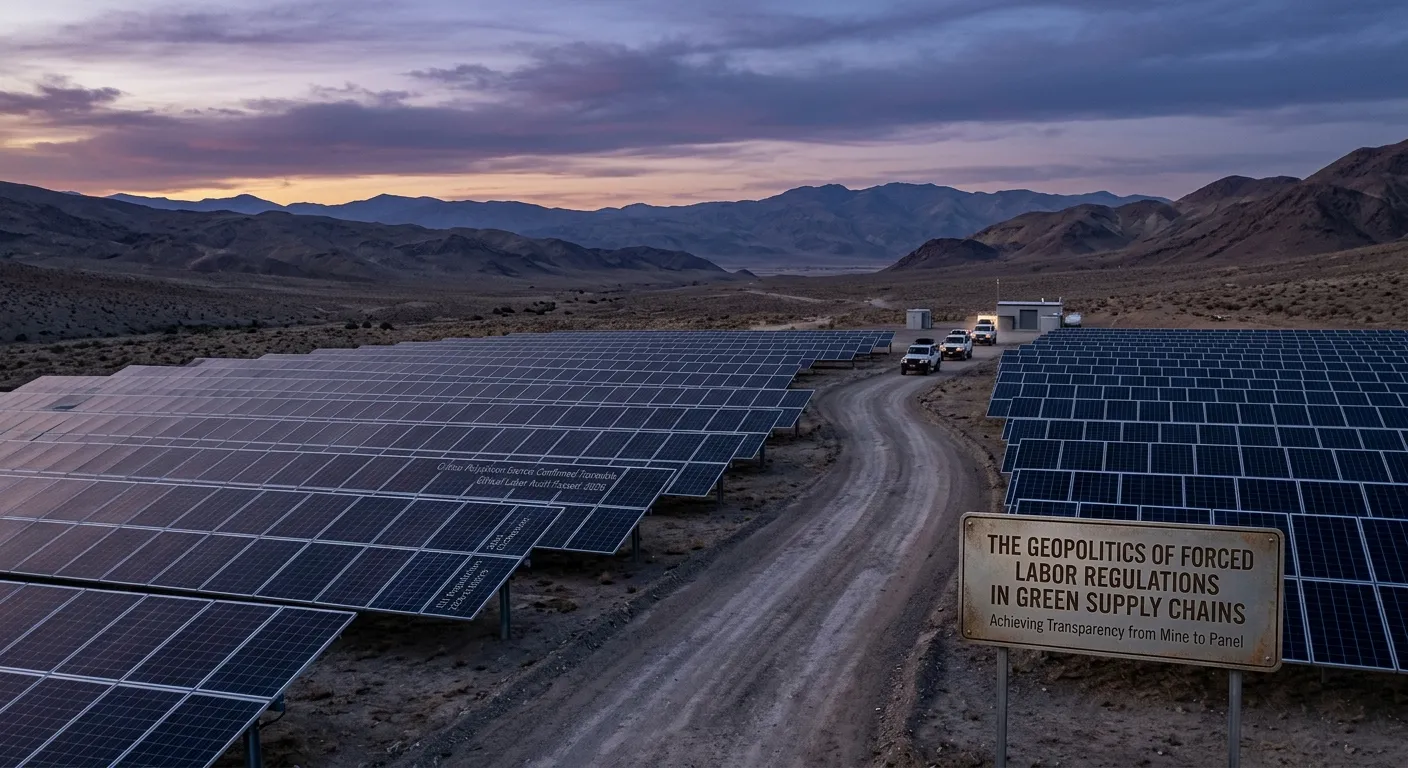
The global shift toward green energy and advanced technology relies on complex supply chains. However, this transition faces a major ethical challenge: forced labor in the mining of critical minerals and the manufacturing of essential components.
Today, world powers are using trade policies, import bans, and human rights regulations to clean up global supply chains. What started as a human rights initiative has evolved into a major geopolitical issue affecting international trade, national security, and corporate strategy.
---
The Human Rights Challenge Behind Clean Energy
Clean technologies like solar panels, electric vehicle (EV) batteries, and smartphones depend on specific raw materials. For example, a large portion of the world’s solar-grade polysilicon is processed in Xinjiang, China, while cobalt—a key ingredient in lithium-ion batteries—is largely mined in the Democratic Republic of Congo (DRC).
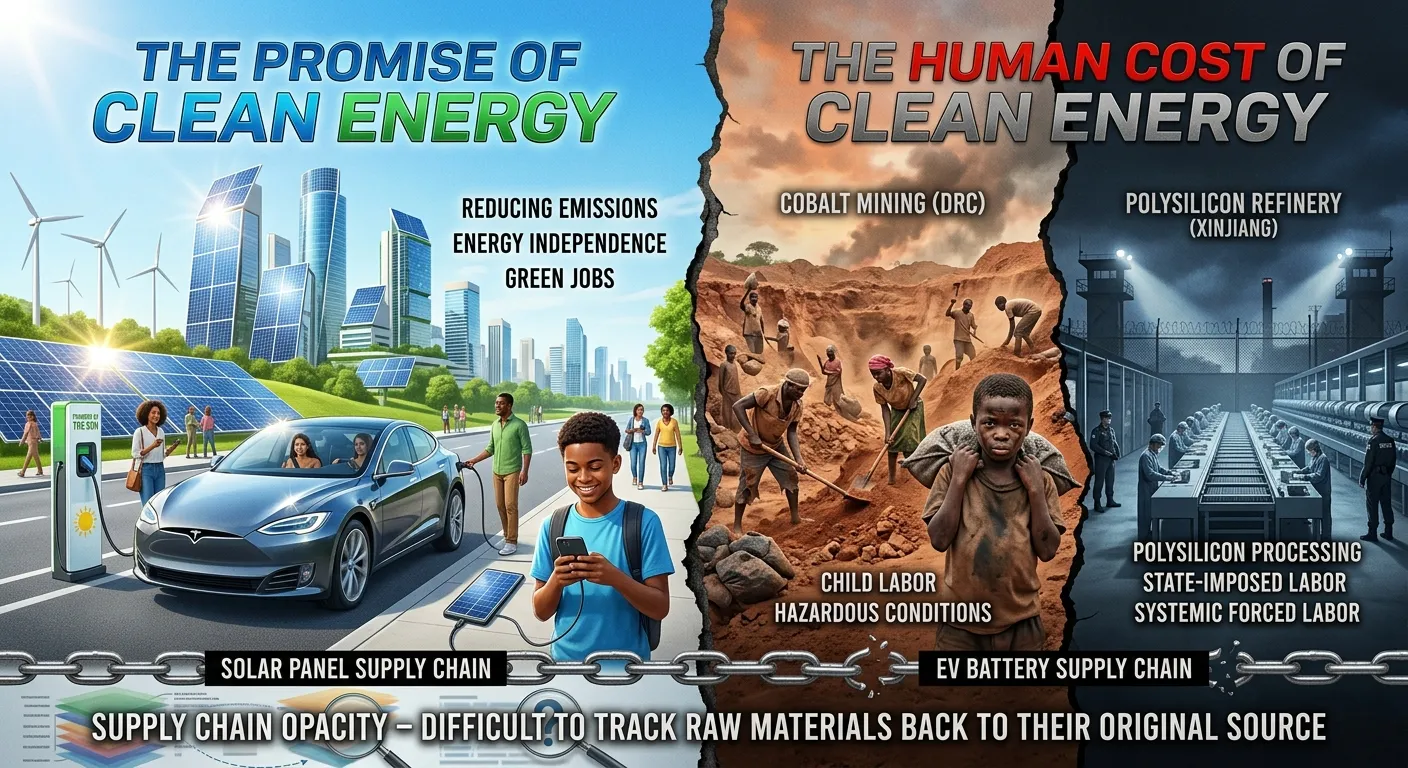
International human rights organizations have documented widespread abuses in these supply chains:
- State-Imposed Labor: Systemic forced labor programs targeting minority populations in manufacturing hubs.
- Hazardous Working Conditions: Exploitative informal mining practices, often involving child labor and unsafe environments in mineral-rich nations.
- Supply Chain Opacity: Complex, multi-layered supplier networks that make tracking raw materials back to their original source extremely difficult for companies.
Trade Rules as Geopolitical Tools
Governments are increasingly passing laws that block goods linked to forced labor. These legal frameworks have reshaped global trade into a political tool:
1. The U.S. Uyghur Forced Labor Prevention Act (UFLPA)
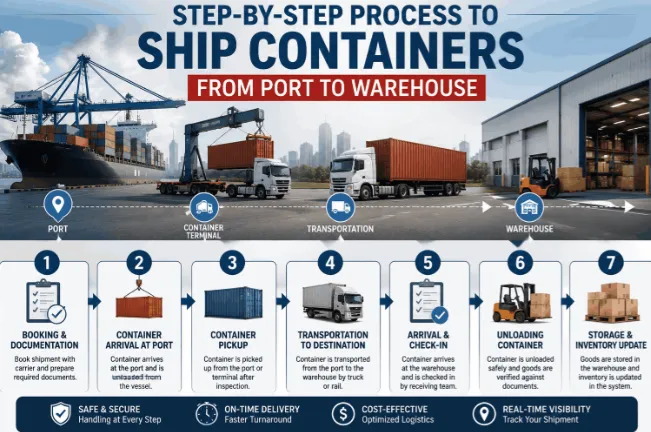
Enacted in late 2021 and enforced by U.S. Customs and Border Protection, the UFLPA establishes a "rebuttable presumption." This means all goods sourced wholly or in part from the Xinjiang region are assumed to be made with forced labor and are denied entry unless an importer proves otherwise with clear evidence. Customs officials have detained billions of dollars in cargo, particularly solar panels and electronics.
2. The EU Forced Labor Regulation
The European Union adopted its own Forced Labor Regulation (EUFLR) to ban products made with forced labor from entering, selling in, or leaving the EU market. Unlike the U.S. framework, the EU regulation applies to all sectors universally and requires authorities to investigate forced labor risks across global supply chains.
The Traceability Gap
Most tech and renewable energy companies do not buy directly from raw material mines. Instead, materials pass through multiple refiners, processors, and middle-tier vendors. Verifying that every sub-component is free of forced labor requires advanced supply chain mapping, third-party audits, and isotopic testing.
Rising Production Costs
To avoid border detentions and regulatory penalties, businesses are restructuring their supply chains. Moving sourcing and processing operations to neutral or domestic markets—often called "friend-shoring"—increases short-term costs for clean energy infrastructure and consumer tech.
Corporate Due Diligence
To comply with evolving trade rules, multinational corporations are overhauling internal compliance models. Businesses are embedding strict human rights safeguards into procurement policies, demanding mandatory supplier disclosures, and deploying continuous monitoring tools across multi-tier networks. Beyond mitigating detention risks at international borders, proactive due diligence allows companies to safeguard their brand reputation, avoid heavy financial penalties, and build resilient, ethically sound supply chains.
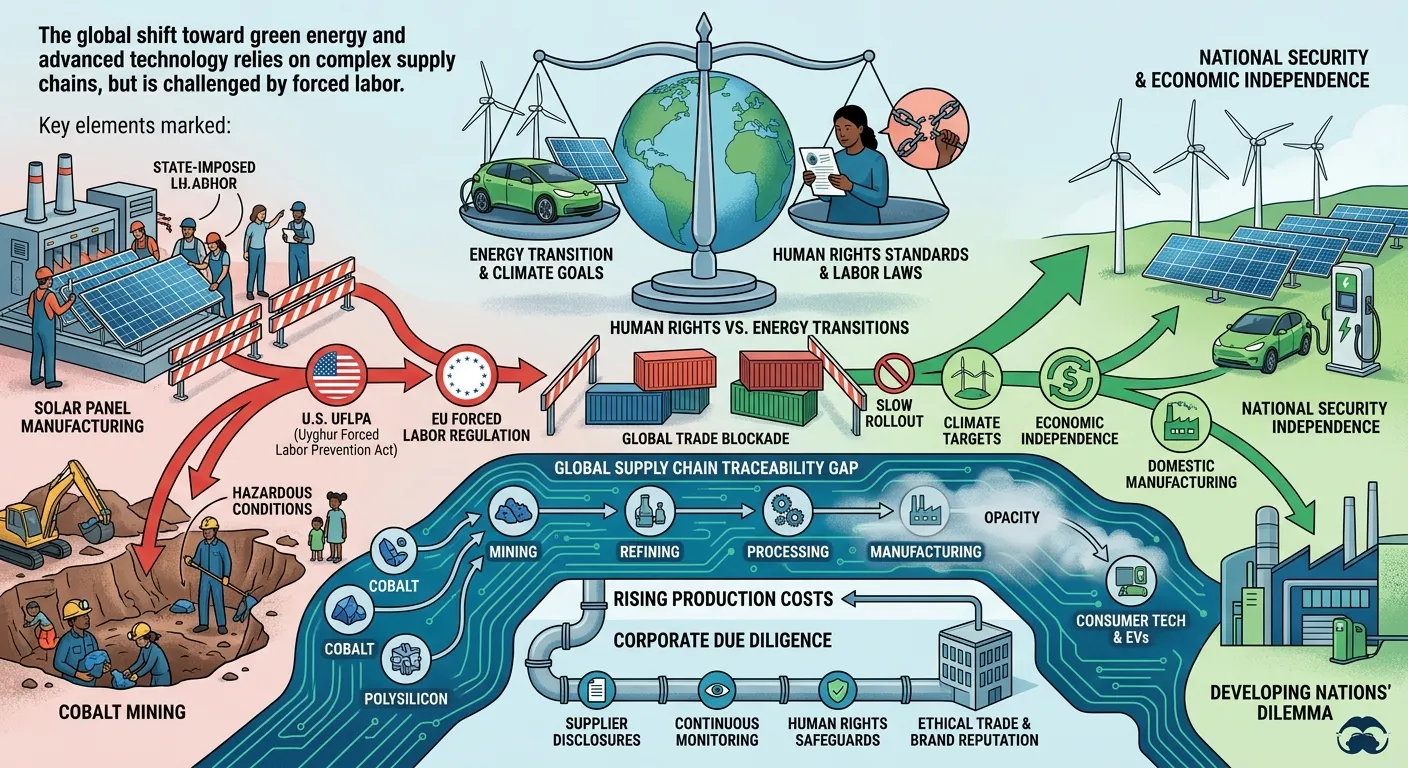
The Broader Political Landscape
The debate around forced labor regulations reflects a broader shift in international politics:
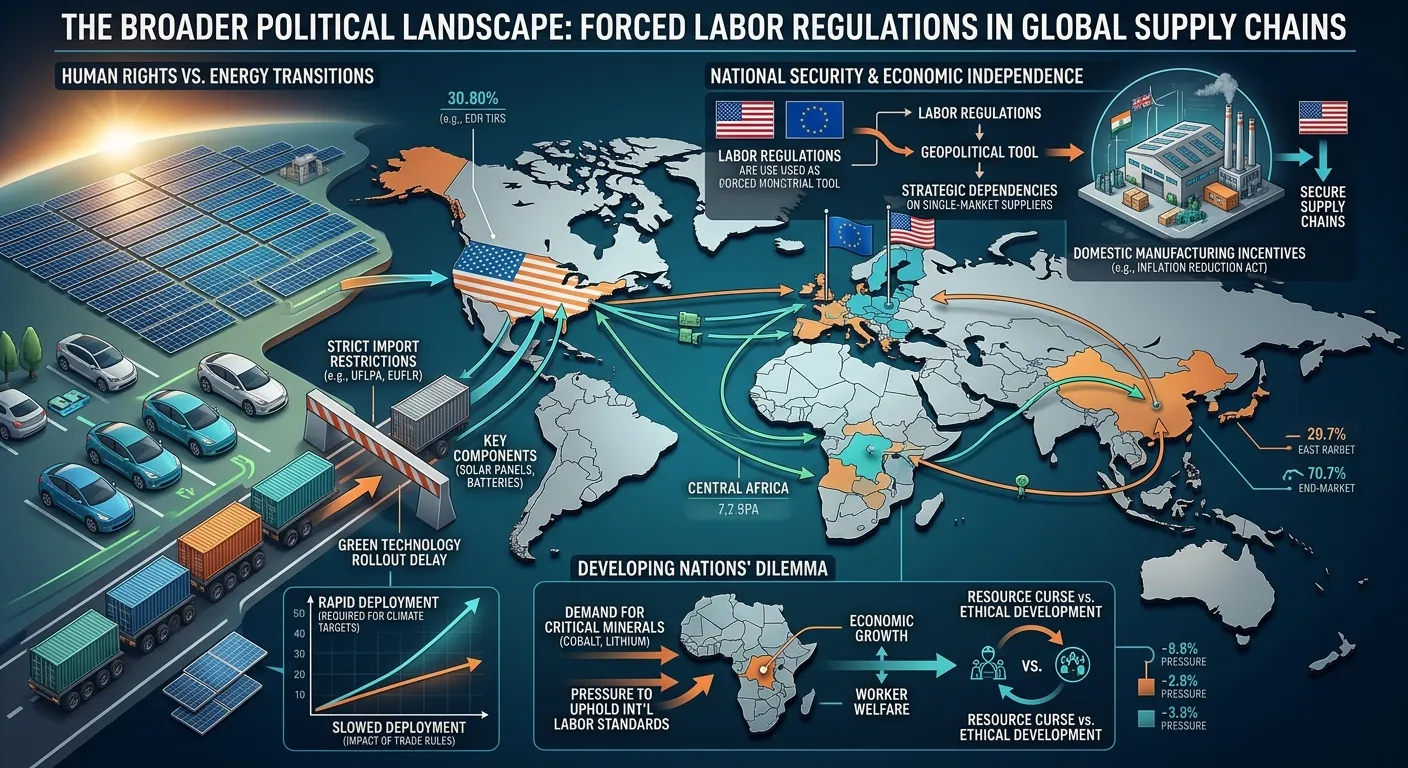
- Human Rights vs. Energy Transitions: Climate targets require rapid deployment of solar panels and electric vehicles. However, strict import restrictions can slow down green technology rollouts by bottlenecking key components.
- National Security & Economic Independence: Western nations are using labor regulations to reduce strategic dependencies on single-market suppliers for critical materials, encouraging domestic manufacturing.
- Developing Nations' Dilemma: Resource-rich developing countries face pressure to uphold strict international labor standards while trying to grow their economies amidst global demand for critical minerals.
Looking Ahead
The connection between human rights enforcement, trade policy, and global manufacturing is becoming a permanent feature of international politics. Governments will continue using market access to enforce human rights standards, while companies must prioritize full supply chain transparency to remain competitive. Achieving a ethical green energy transition will depend on building supply chains that respect human dignity without stalling environmental progress.


Discussion