
Explore common pregnancy symptoms—from early bloating to those first baby kicks. Learn what to expect, why each symptom appears, and when to seek help.
Pregnancy is a unique journey filled with a spectrum of remarkable symptoms—from feeling bloated to finally sensing those first baby kicks. These pregnancy symptoms tell the story of your body adapting to nurture new life. Understanding what’s happening not only helps ease anxiety but also keeps you informed about what's normal in each stage. Whether you're experiencing fatigue, breast tenderness, or digestive changes, knowing why these signs occur can guide you toward comfort and better prenatal care. Let’s explore the most common pregnancy symptoms, why they happen, and when they signal something more than just a growing baby bump.
1: Bloating – That Ballooned Feeling
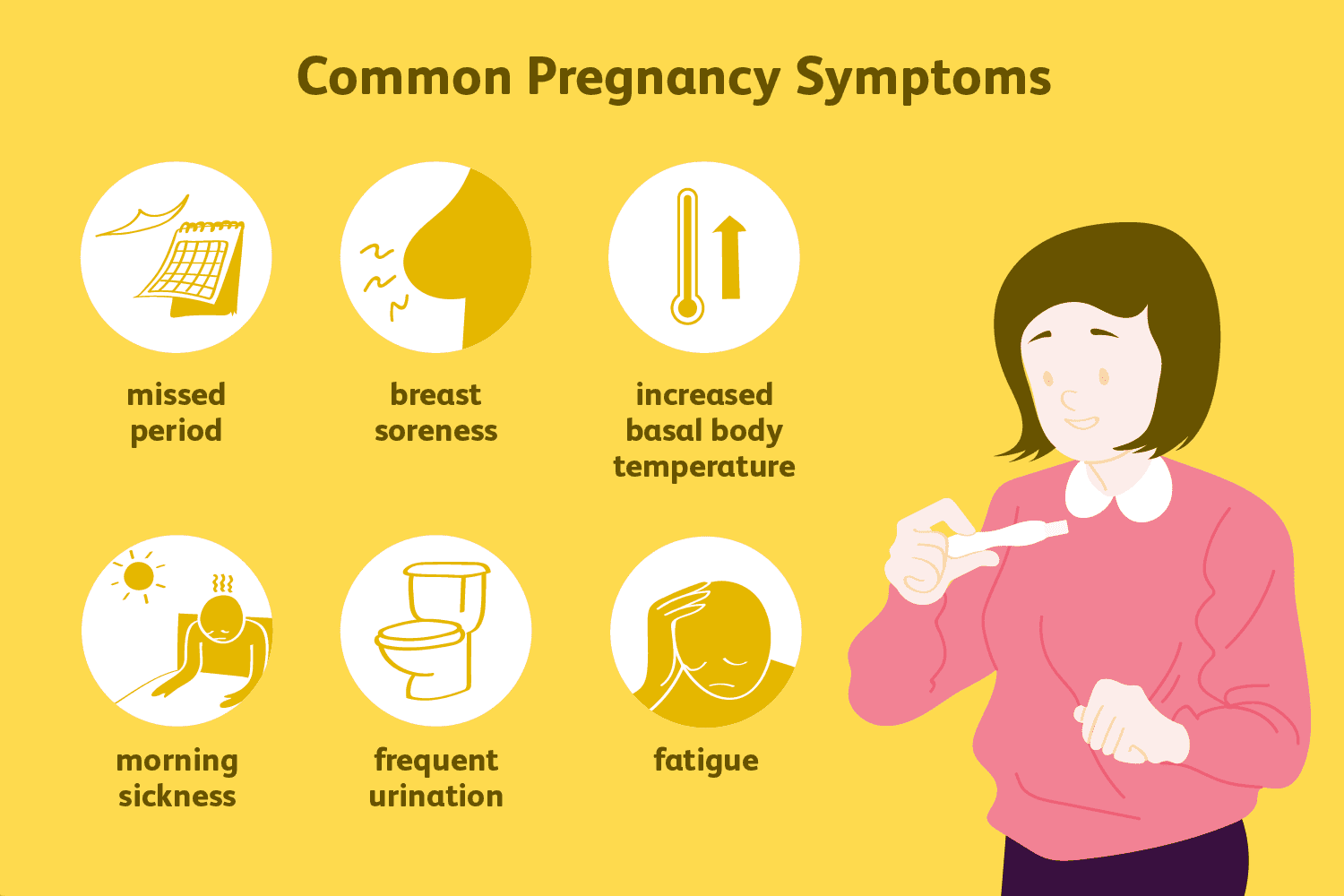
Many experience persistent bloating in early pregnancy due to the hormone progesterone, which slows digestion and relaxes smooth muscles. This leads to gas and a tight feeling in the abdomen. In fact, about two-thirds of pregnant individuals report bloating in the first trimester. Though uncomfortable, it's typically harmless and manageable—eating smaller meals, staying hydrated, and light movement can help ease symptoms. If bloating worsens or comes with pain, consult your healthcare provider.
2: Fatigue – More Than Just Tired
Feeling utterly exhausted? Fatigue is one of the earliest pregnancy symptoms, kicking in as early as one week post-conception. High levels of hormones like progesterone combined with an increased blood volume place extra demands on your body. Prioritizing rest, keeping a balanced schedule, and co‑sleeping when needed can make a world of difference. If fatigue feels overwhelming or persistent, talk to your doctor to rule out anemia or other concerns.
3: Nausea & Morning Sickness
Often dubbed “morning sickness,” nausea and vomiting can strike anytime—and usually begin around weeks 4–6, peaking around week 9. Hormonal surges play a major role, and sensitivity to smells only intensifies the queasy feeling. To find relief: eat small, bland snacks, stay hydrated, ginger or peppermint can soothe your stomach, and try acupressure wristbands. If nausea is severe, it may require medical attention, so always check in with your provider.
4: Breast Tenderness or Changes
Sore or swollen breasts often signal that pregnancy is underway. Hormones like estrogen and progesterone trigger gland growth and blood flow, leading to sensitivity—even before you miss your period. Your nipples or areolas may darken, too. Supportive bras and gentle warmth can ease discomfort. It's a comforting sign that your body is preparing to nurture your little one.
5: Frequent Urination
Sneaking to the bathroom more often? Frequent urination begins early—around 4–6 weeks—and returns later in pregnancy as your growing uterus presses on the bladder. A mix of hormones and increased blood flow to your kidneys is at play. Staying hydrated helps, but it's smart to monitor for changes—painful urination or fever could signal a urinary tract infection, which isn’t uncommon during pregnancy.
6: Mood Swings – Prepare for the Emotional Rollercoaster
Hormonal fluctuations can cause intense mood swings, starting as early as week five. You might feel elated one moment and teary the next. Understanding that these emotional shifts are normal helps—you’re not overreacting, just hormonally expressive. Mindfulness, connection with loved ones, or light therapy can help smooth the ups and downs. If mood swings become overwhelming, please reach out for professional support.
7: Implantation Cramping or Spotting
Often taking moms by surprise, implantation spotting or cramping can occur 6–12 days after conception when the embryo attaches to the uterine lining. It's typically light, short, and much milder than a period. Still, if bleeding becomes heavy or lasts several days, make sure to contact your healthcare provider to ensure everything’s progressing safely.
8: Headaches & Lightheadedness
Feeling dizzy or battling headaches? The increase in blood volume during pregnancy often lowers blood pressure, leading to headaches and lightheadedness. Staying hydrated, eating small frequent meals, and getting proper rest can ease the discomfort. If you experience persistent or severe headaches, it’s always a good idea to consult your medical provider.
9: Constipation
Thanks again to progesterone slowing digestion, many pregnant individuals experience constipation in the early stages. Increasing fiber, staying well-hydrated, moving gently, and using pregnancy-safe stool softeners can help keep things moving smoothly.
10: Baby Kicks – The Magical Moment
Finally—the flutter! Making its debut between 18 to 25 weeks, baby kicks are often described as gentle flutters, bubbles, or even gas—making it easy to misattribute. As the baby grows, movements become more distinct and easier to track. By 28 weeks, kick counting becomes a valuable way to monitor baby’s well-being. Patterns matter—if you notice a change in movement rhythm, reach out to your healthcare provider.
Conclusion
Navigating pregnancy symptoms—from bloating to baby kicks—can be both awe-inspiring and challenging. Knowing what’s normal and why these changes happen helps you feel empowered and connected to your body’s incredible work. If any symptom feels especially intense or worrying, don’t hesitate to reach out to your healthcare provider. Remember, this is your body’s way of nurturing new life, and you’re not alone on this journey. Celebrate each milestone and stay curious—you’ve got it.


















Responses (0)
Sign in to share your thoughts.
Sign in