

Loving Things Precisely Because They End: The Quiet Beauty of Fleeting Moments
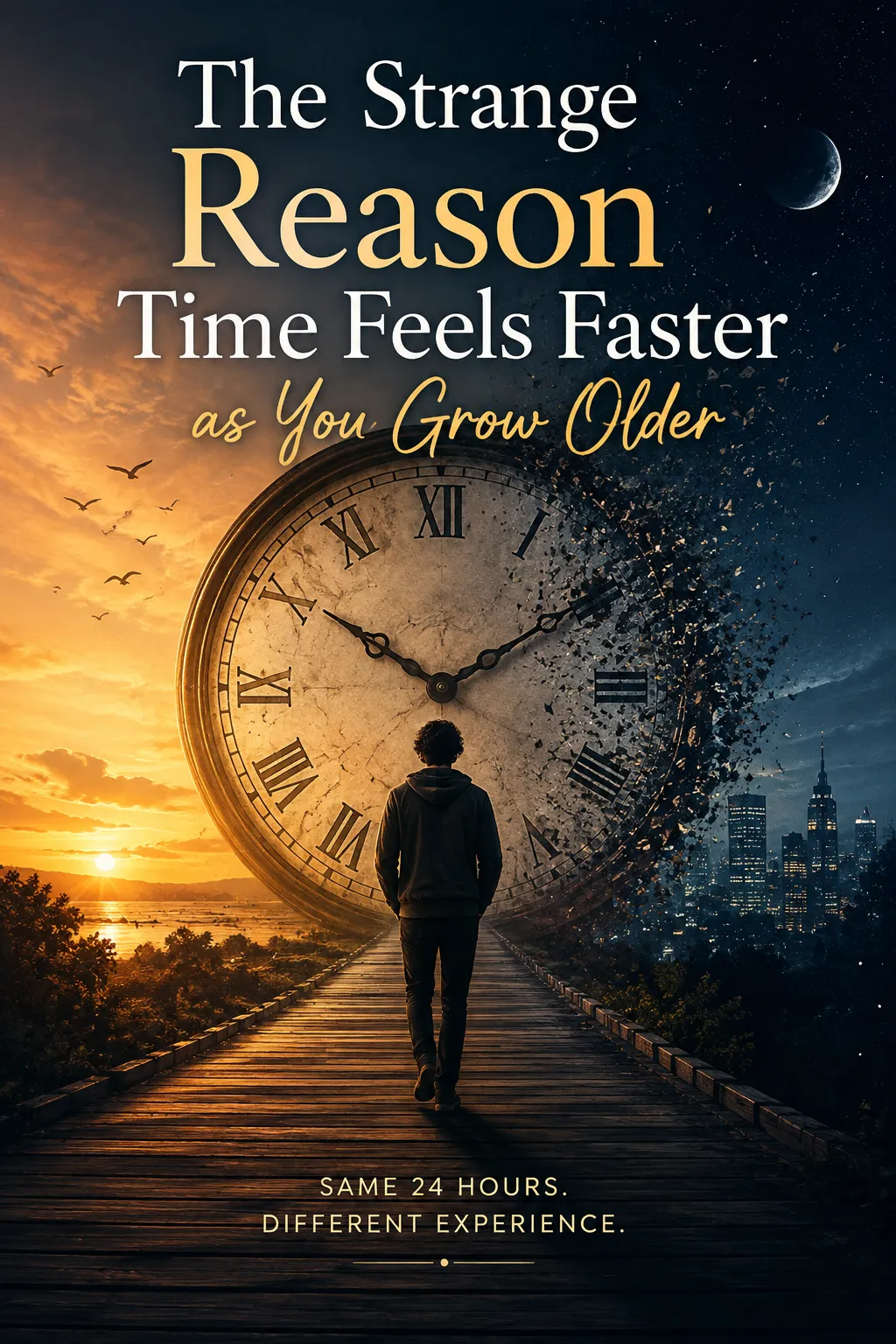
Have you ever caught yourself holding your breath during an exceptionally beautiful sunset, wishing you could somehow grab the sky and freeze it in place?
Or maybe you’ve been at a dinner party surrounded by your favorite people, laughing until your stomach hurts, when a sudden wave of quiet sadness hits you simply because you know the evening will eventually come to an end.
It’s a uniquely human paradox: the moments that bring us the most profound joy are often the exact same moments that carry a subtle, lingering ache.
We are creatures built for permanence in a world defined entirely by temporary things.
We tend to treat impermanence as a flaw in the design of life. We fight against aging, cling desperately to phases of our youth, and try to lock down relationships so they never change.

But if we step back and look at it through a slightly different lens, a deeper truth reveals itself: transience isn't what ruins a moment—it’s what makes it precious in the first place.
The Wisdom of Mono no Aware
The Japanese have a term for this delicate feeling: Mono no Aware (物の哀れ). It translates roughly to "the pathos of things" or "a sad empathy toward impermanence."
It’s the reason cherry blossoms (sakura) are celebrated so intensely across Japan. The blossoms don't bloom year-round; they open for just a week or two before a gentle breeze sweeps them away.
The Japanese culture doesn't celebrate the blossoms despite their short lifespan—they celebrate them because of it.
If cherry trees bloomed continuously twelve months a year, we would walk past them on our way to the grocery store without giving them a second glance.
Their beauty is inseparable from their brevity.
Ancient Stoic philosophy touched on this exact sentiment with the concept of Memento Mori—the practice of remembering that everything, including our own lives, is temporary.
While that might sound a little morbid at first, the Stoics used it as a powerful tool for gratitude. Remembering that a cup of coffee with a friend might be one of a finite number of mornings you get together doesn't make the coffee bitter; it makes every single sip taste remarkably sweet.
Why Permanence Loses Its Luster
Imagine for a second if your favorite song played continuously on a loop, non-stop, for three weeks. What started as an inspiring piece of art would quickly become maddening background noise.
Value requires scarcity. When time, attention, or moments are endless, they lose their weight. The reason a summer afternoon feels so golden and magical is because autumn is waiting around the corner.
The reason holding a newborn child feels so overwhelming is because you know, deep down, they will grow up, learn to walk, and eventually walk out the door into their own life.
When we try to force temporary things to last forever, we end up stripping them of the very magic that drew us to them. We become so focused on preserving the memory—taking fifty photos, worrying about the future, or trying to recreate the past—that we forget to actually be there while it’s happening.

Shifting from Clinging to Presence
So how do we live with the knowledge that everything we love will eventually change or fade?
The key isn't to detach or stop caring—it’s to shift from clinging to presence.
When you feel that familiar ache of a good moment slipping away, try to view it as an invitation rather than a loss. Instead of tightening your grip and wishing time would stop, take a deep breath and give the present moment your full, undivided attention.
Say to yourself, "I am here, and this is happening right now."
Life is not a static museum where we collect permanent trophies; it's a moving river. You can't scoop up a handful of water and expect it to stay a river in your bucket—it only stays alive as long as it’s flowing.
The next time you find yourself standing in the middle of a fleeting moment of beauty, don't mourn its impending end. Thank it for passing through.
Loving things precisely because they end isn't a tragic way to live—it is the ultimate act of paying attention.

















Responses (0)
Sign in to share your thoughts.
Sign in