How to Get Your Creativity Back After an Unforeseen Circumstance: For Novelists
Any unforeseen circumstance can happen at any point in our lives. You are working on a novel, and all of a sudden, something unexpected happens. It could…


In this article
- When Life Interrupts Your Creative Flow
- 1. Permit Yourself to Pause
- 2. Start Small Instead of Chasing Your Old Routine
- 3. Rediscover Inspiration Outside Your Manuscript
- 4. Reconnect With the Story That Made You Want to Write
- 5. Create a Writing Environment That Works for Your Current Life
- 6. Work Through Creative Fear and Self-Doubt
- 7. Find Support and Celebrate Your Progress
- Conclusion: Your Creativity Can Find a New Way Forward
When Life Interrupts Your Creative Flow
Any unforeseen circumstance can happen at any point in our lives. You are working on a novel, and all of a sudden, something unexpected happens. It could be an illness, the death of a close relative, job loss, a job change, family problems, relocation, or another significant event. These circumstances can affect your concentration, motivation, and the desire to write.
It is normal to struggle with creativity after an unexpected situation. But it does not mean you have lost your talent or passion for storytelling. If you are facing an unforeseen situation and your creativity has vanished, now is the time to get your spark back by working through small, realistic steps.
1. Permit Yourself to Pause
Trying to maintain the same routine after a tough time can create unnecessary mental and physical stress. After an unexpected situation, you need to accept that you have the right to express your emotions and that your priorities may have changed. The best way to recover emotionally is to take a break and give yourself some time.
Once you take sufficient rest, your mind will have space for emotional recovery and will bring fresh perspectives. Rather than thinking that you have wasted your time, let go of the pressure to write immediately. Your well-being will have time to get your creativity back.
2. Start Small Instead of Chasing Your Old Routine

Returning to a demanding writing schedule can feel overwhelming after a long break. After an unexpected situation, it can become difficult to follow your usual writing schedule. The best way to get your creativity back is to set manageable goals instead of expecting yourself to produce several pages immediately.
All you have to do is start writing for five to ten minutes by describing a character, revisiting an old scene, or jotting down a single idea. Try to focus on consistency rather than word counts or productivity, and don’t try to edit while writing. These small efforts can gradually rebuild confidence and make writing feel approachable again.
3. Rediscover Inspiration Outside Your Manuscript
Creativity hardly works by staring at a blank screen. Put simply, you don't need to rush back to your laptop and start typing when you don't have any ideas.
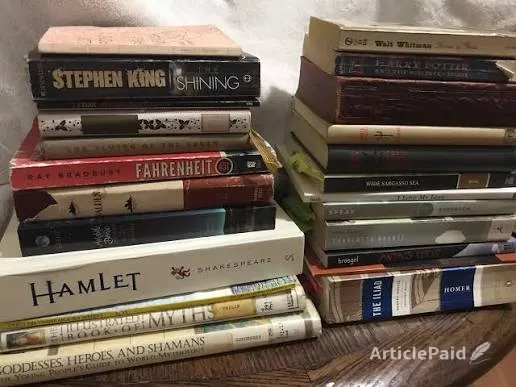
Rediscovering your inspiration means reconnecting with activities that stimulate your curiosity. These activities could include reading a book, listening to music, exploring nature, visiting an unfamiliar place, or talking to interesting people. These ordinary experiences can help to build characters, settings, conflicts, and dialogue.
You can keep a notebook or a digital document to capture intriguing observations without turning every experience into a writing assignment. Inspiration comes from different cultures, places, conversations, and things you or other people encounter daily. Just spend 15 minutes each day noticing something new.
4. Reconnect With the Story That Made You Want to Write

Revisiting your original story idea, character sketches, early drafts, or notes about the novel’s central theme is a great way to reconnect with your writing. You can reread a favorite passage instead of reviewing the entire manuscript. Ask reflective questions: What initially excited you about this story? Which character still intrigues you? What question did you want the novel to explore?
A writer’s perspective may change after a major life event, potentially opening new directions for the story. You don’t have to continue exactly where you left off. Just write a short informal letter to your main character. Ask what has happened in their fictional world while you've been away from writing. Keep in mind why you started your novel.
5. Create a Writing Environment That Works for Your Current Life
An unforeseen situation can change your writing schedule, living arrangements, and energy levels. You may also find that your previous workspace no longer suits your current circumstances. Creating a writing environment that works with your current situation means building a new routine instead of trying to return to your previous one. Find flexible alternatives such as writing during short breaks, using voice notes, working in a shared space, or drafting on a phone.
Try to set realistic boundaries with others whenever possible. A perfect desk, an uninterrupted morning, or expensive equipment isn't necessary to write a novel. All you need is to identify one time slot and find a place where you can write comfortably. Keep your notebook or writing device ready so you can start without much effort.
6. Work Through Creative Fear and Self-Doubt
Every writer experiences worries, and that's perfectly normal. These worries may include fear of losing one’s skills, uncertainty about the manuscript, and the anxiety of falling behind after a long writing break. Perfectionism can make stepping back into writing very difficult.
Separating drafting from editing allows you to produce imperfect work without worrying about correcting every sentence. Try simple brainstorming, freewriting, and experimenting with different scenes without worrying about what readers will think. Producing a rough draft is a starting point, not a verdict on your abilities. Start writing imperfectly on purpose and don’t revise immediately.
7. Find Support and Celebrate Your Progress

At times, dealing with an unexpected situation means reaching out to trusted writing friends, groups, online communities, and supportive mentors. Sharing small goals with others helps you stay accountable and encourages you to get back to your novel.
Discussing your creative challenges with fellow writers can help you connect with people who understand the uncertainty of the writing process. Instead of dealing with everything on your own, seek support from fellow writers and celebrate small milestones such as completing a paragraph, revisiting a chapter, or establishing a new writing habit.
Conclusion: Your Creativity Can Find a New Way Forward
Unexpected circumstances can interrupt your creative flow without derailing your writing journey. As mentioned above, creativity may not return in a sudden burst; it grows through patience, curiosity, and consistent effort.
You don’t need to rush back to the writer you were before. Give yourself the time and space to discover the writer you can become now.











Responses (0)