How Did People Do Chemical Reactions in Ancient Times? When Chemistry Didn't Even Have a Name
Today we do chemical reactions in test tubes in a lab, but think - 3000 years ago when there were no labs, how did people do chemical reactions? Do you know that burning fire, baking bread, and making colors are all chemical reactions that humans have been doing for thousands of years without knowing it was chemistry.
1. Fire - The First Chemical Reaction:
The first chemical reaction of humans was making fire. 1 million years ago when humans rubbed 2 stones together, it was a Combustion Reaction.
Wood (fuel) + Oxygen = Fire + Smoke + Ash.
At that time humans thought it was magic, but in reality it was carbon combining with oxygen. The people of Egypt (Misr) melted iron with fire, that was also a chemical reaction.
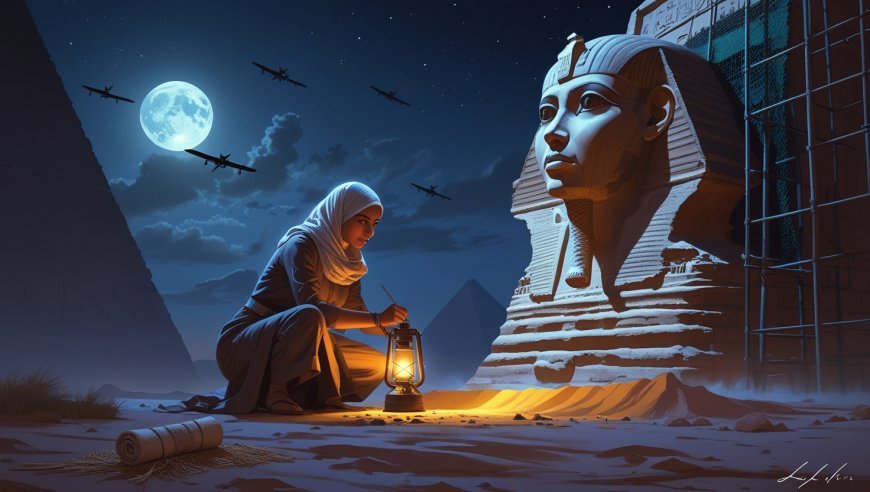
2. Egyptians and Making Mummies:

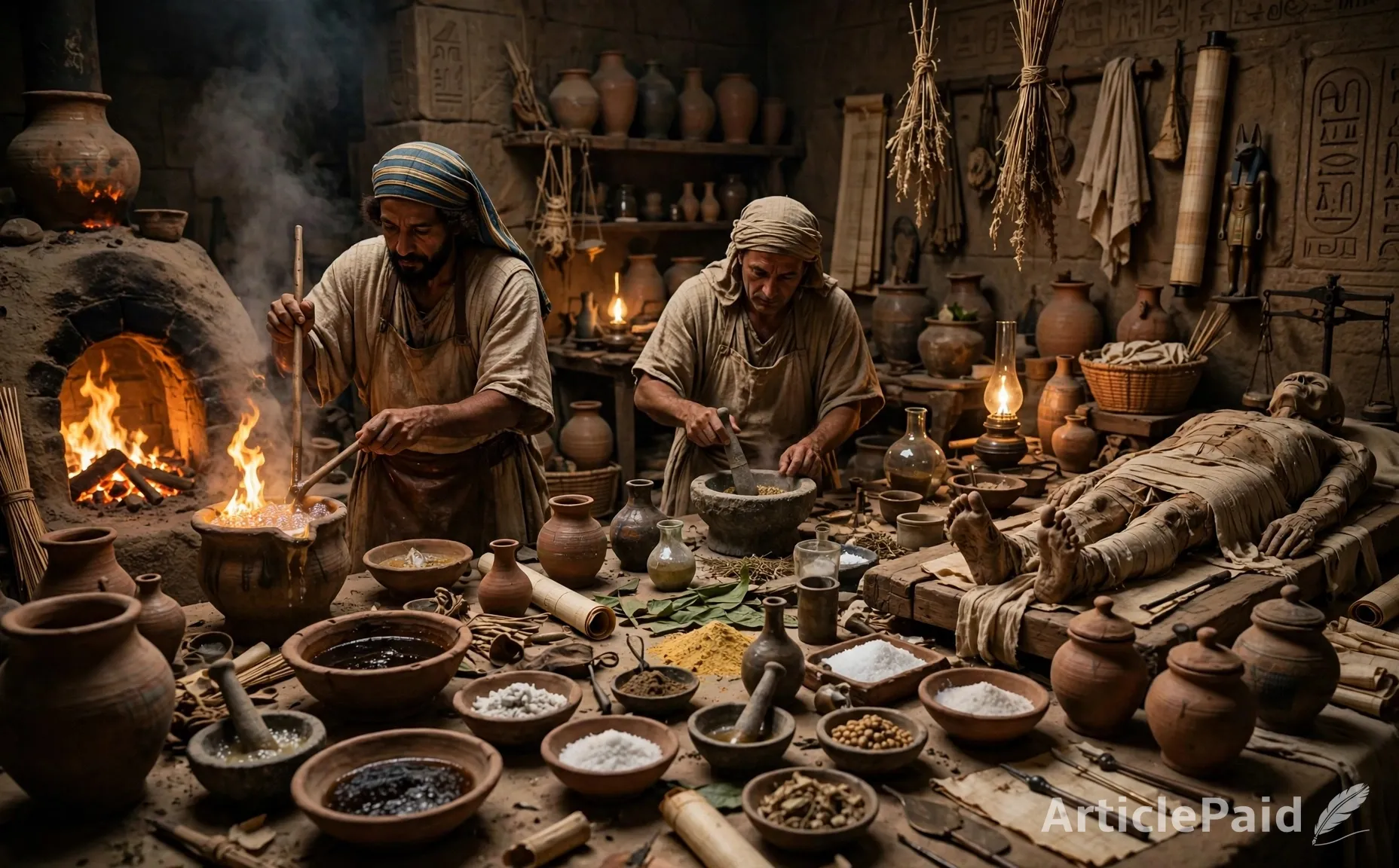
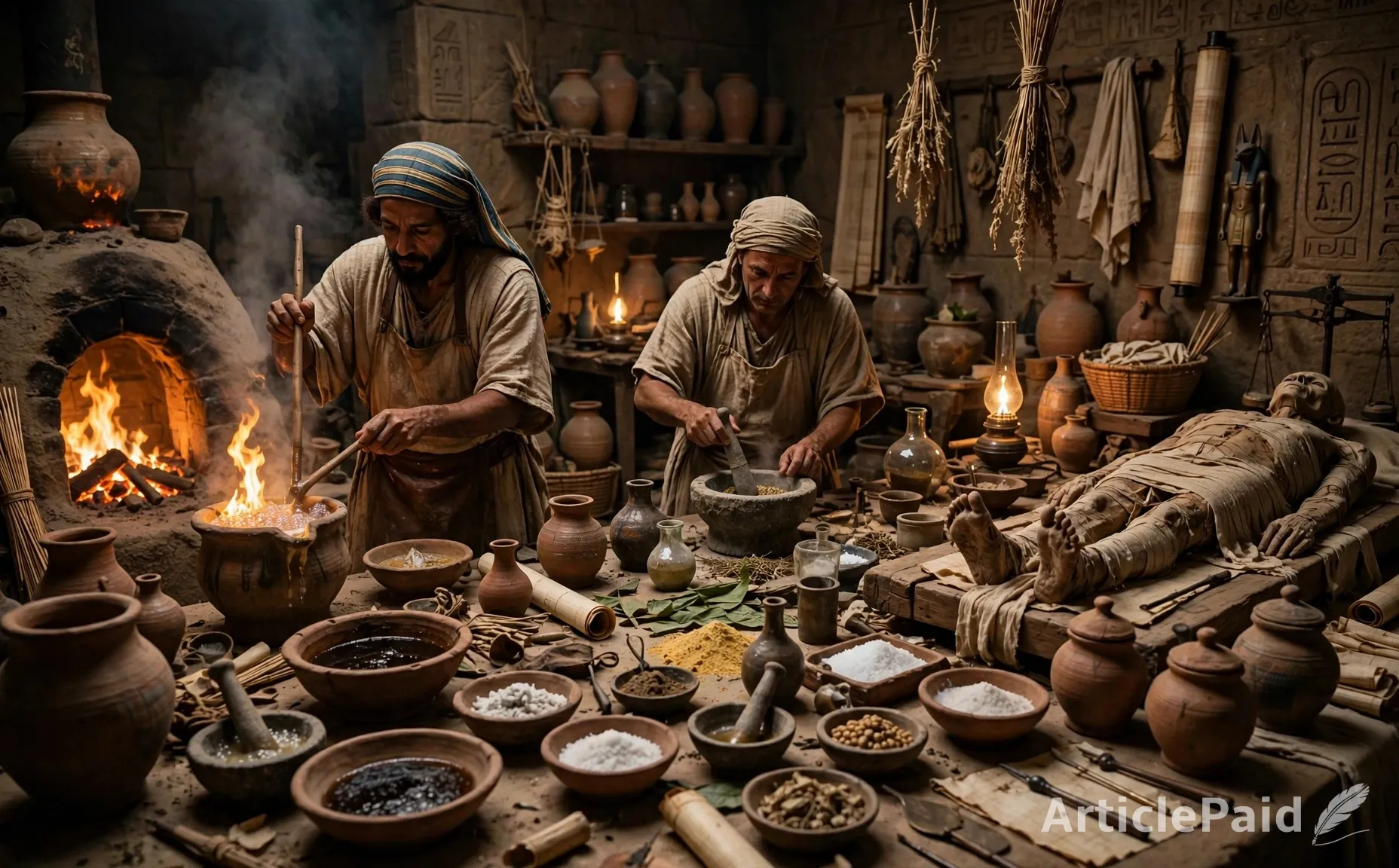
Egyptians who preserved dead bodies (Mummification) were actually masters of chemistry. They used Natron Salt which removed water from the body. This was a Dehydration Reaction.
Along with it, they applied rosin and oil which killed bacteria. This was chemical preservation, which still works today. Their mummies are still intact after 4000 years, the reason is chemical.
3. Making Bread and Wine - Fermentation:

5000 years ago when a woman kneaded flour and left it, and it swelled up, it was a Fermentation Reaction. Special yeast converted the sugar in the flour into CO2 gas. Similarly, making wine from grapes was also alcohol fermentation. People thought it was a blessing from God, but it was the chemical work of yeast.
4. Making Colors and Medicine:
Ancient people extracted colors from plants. Dissolving Indigo in water to dye clothes, this was an Extraction and Dyeing Reaction. And applying oil to prevent iron from rusting was stopping oxidation. Alchemists who wanted to make gold, made acids daily, like sulfuric acid, which is still used today.
So remember, chemistry is not something new. Humans have always been chemists. The only difference is that earlier people did it unknowingly, today we do it knowingly.
---
FAQs -
Q1: What was the first chemical reaction done by humans?
Making fire. It's a Combustion Reaction - Wood + Oxygen = Fire + Ash.
Q2: How did Egyptians preserve mummies without chemicals?
They used chemistry. Natron salt for Dehydration and natural resins/oils to kill bacteria.
Q3: Was making bread a chemical reaction?
Yes, it's Fermentation. Yeast converts sugar in dough into CO2 gas, which makes bread rise.
Q4: Did ancient people know they were doing chemistry?
No, they thought it was magic or god's blessing. They did chemistry unknowingly for thousands of years.
Q5: What is Alchemy?
Alchemy is old chemistry. Alchemists tried to make gold and discovered many acids like sulfuric acid which we still use today.
Tags: #ChemistryHistory #AncientScience #ChemicalReactions #ScienceExplained

















Responses (0)
Sign in to share your thoughts.
Sign in