How can Ukrainians and Russians Still Be Friends in 2025? A Deep Dive Q&A
Since the full-scale invasion of Ukraine began in February 2022, the relationship between Ukrainians and Russians has faced immense challenges. The war has altered identities, separated families, and created a significant geopolitical divide that seems daunting to overcome. Yet, even in the midst of conflict, questions emerge about the potential for friendship, reconciliation, and human connection. In 2025, can Ukrainians and Russians still foster friendships? This discussion delves into this intricate issue through a detailed Q&A format, informed by conversations with diaspora communities, social scientists, conflict resolution specialists, and those directly impacted by the war.
Q1: Is it appropriate to discuss "friendship" while the war is still happening?
A: This question strikes at the heart of the matter. Many Ukrainians feel that discussing friendship while their cities are under bombardment is insensitive, if not offensive. To them, true friendship can only emerge after justice, reparations, and accountability are achieved. Conversely, human connections often transcend political boundaries. Some Ukrainians and Russians particularly those from mixed families continue to maintain personal relationships despite their governments' opposing stances. Dr. Olena Khomenko, a Ukrainian expert in conflict resolution, expresses it this way: > "It’s not about ignoring the war. It’s about recognizing that peace will eventually come not solely through treaties, but through renewed conversations between people."
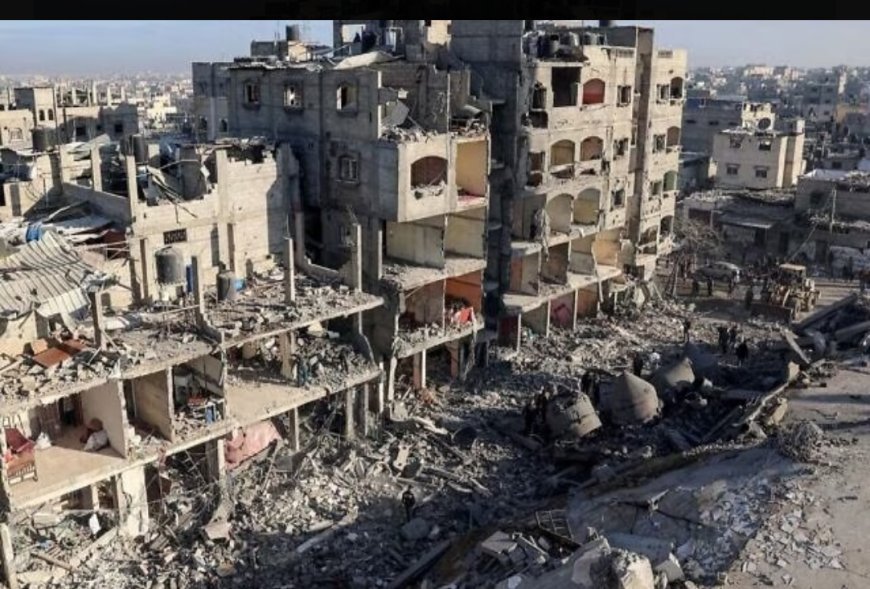
Q2: What are the significant barriers to Ukrainian-Russian friendship in 2025? A: The barriers are profound and multifaceted: Continued war and occupation: Russia maintains control over portions of Ukraine, and hostilities are still ongoing. This reality complicates any efforts at reconciliation. Mistrust and trauma: Ukrainians have endured war crimes, forced deportations, and widespread destruction. These events go beyond political issues; they are deeply personal traumas. Russian silence or support for the war: Many Ukrainians feel resentment toward ordinary Russians for their perceived indifference or even support of the war. Silence is often interpreted as complicity. Misinformation and narratives: Years of propaganda from both sides have skewed mutual perceptions. Russians may not fully grasp what Ukrainians are enduring and vice versa. Cultural rift: Since 2014, Ukraine has increasingly embraced a European identity, while Russia has taken a different route. The gap between cultures has widened.
Continue reading this Article by nicholehaines
Join our community to access the full story. Creating an account is completely free and only takes a moment.
- Read unlimited free publications across the platform
- Directly support independent journalists and authors
- Join discussions, leave reactions, and save your favorites
Sign In / Create Free Account












Responses (0)
Sign in to share your thoughts.
Sign in