
The Rise of AI Agents: How Autonomous AI is Changing Everyday Workflow
We are witnessing a fundamental shift in how we interact with technology. For decades, software has been entirely reactive: you click a button, you type a query, you format a spreadsheet, and the computer responds. You are always the driver, and the software is merely the tool.
Enter AI agents.
Unlike traditional software or even early conversational AI, AI agents are autonomous. You don't just ask them a question—you give them a goal, and they figure out the steps, execute tasks across multiple applications, handle unexpected roadblocks, and deliver a finished result.
Here is a look at how this shift is transforming our everyday workflows.
From Assistants to Autonomous Workers
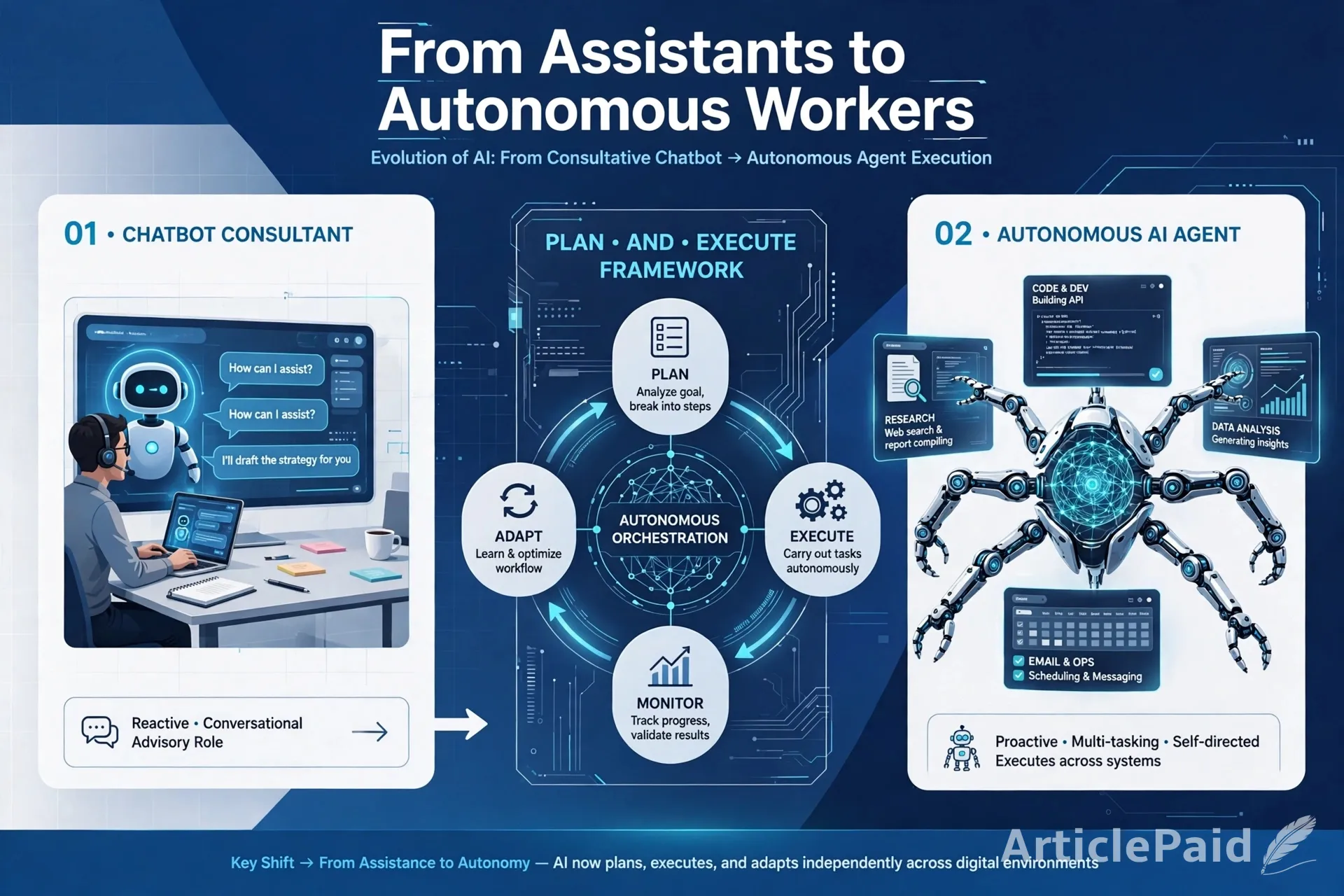
Traditional AI models are like brilliant consultants sitting across a desk: they can draft an email, analyze data, or write code, but you have to copy-paste the output, open your email client, send it, and manage the follow-ups.
AI agents bridge the gap between thinking and doing. Equipped with reasoning loops (often called "Plan-and-Execute" frameworks) and the ability to use external tools, APIs, and browsers, agents can:
- Break down a complex objective into sequential tasks.
- Execute those tasks independently.
- Self-correct when an error occurs (e.g., if an API fails, trying an alternative approach).
- Report back only when the job is done.
How AI Agents are Reshaping Daily Workflows
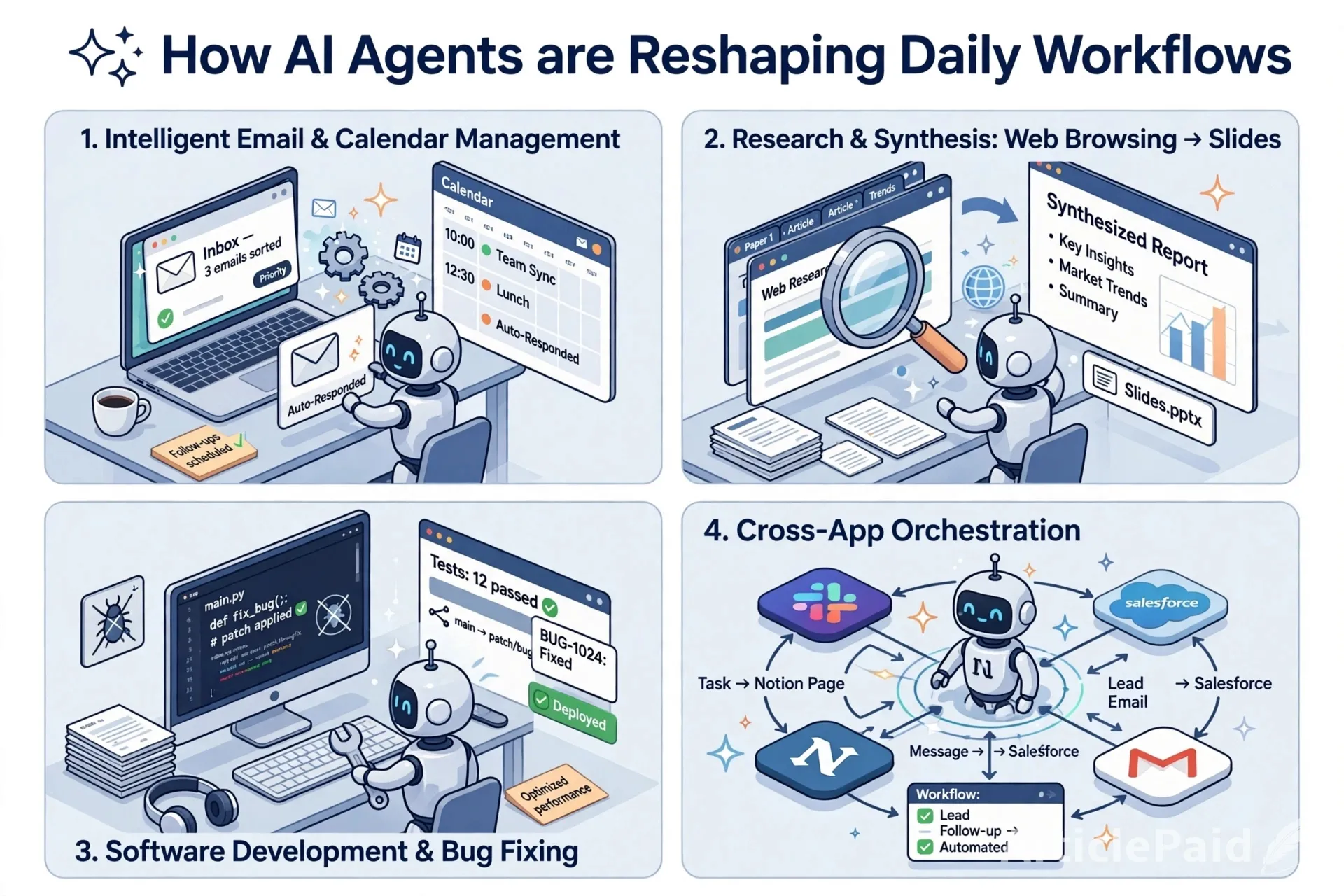
1. Intelligent Email and Calendar Management
Instead of spending your morning sorting through 50 emails and coordinating meeting times, an agent can review your inbox, draft replies to routine messages based on your communication style, flag urgent client concerns, and autonomously negotiate meeting slots across multiple participants' calendars without a single back-and-forth email.
2. End-to-End Research and Synthesis
Market research used to require hours of opening tabs, extracting data, and compiling reports. Today, an agent can be given a prompt like: "Research the top three emerging competitors in the ed-tech space, summarize their pricing models, and put them into a formatted slide deck." The agent browses the web, extracts the data, formats the slides, and saves the file directly to your cloud drive.
3. Software Development and Bug Fixing
In engineering workflows, AI agents are moving beyond simple auto-complete. Junior-developer agents can now be assigned a ticket from Jira, pull the repository, write the code, run local unit tests, fix any failing tests, and open a pull request with a complete summary of the changes for human review.
4. Cross-App Orchestration
The modern office worker juggles dozens of SaaS apps—Slack, Notion, Salesforce, Google Drive, and Jira. AI agents act as the connective tissue between these silos.
You can instruct an agent: "When a high-priority lead fills out the Typeform, create a profile in Salesforce, draft a personalized welcome email in Gmail, and notify the sales team in Sla
ck."
The Human Role: From Doer to Director
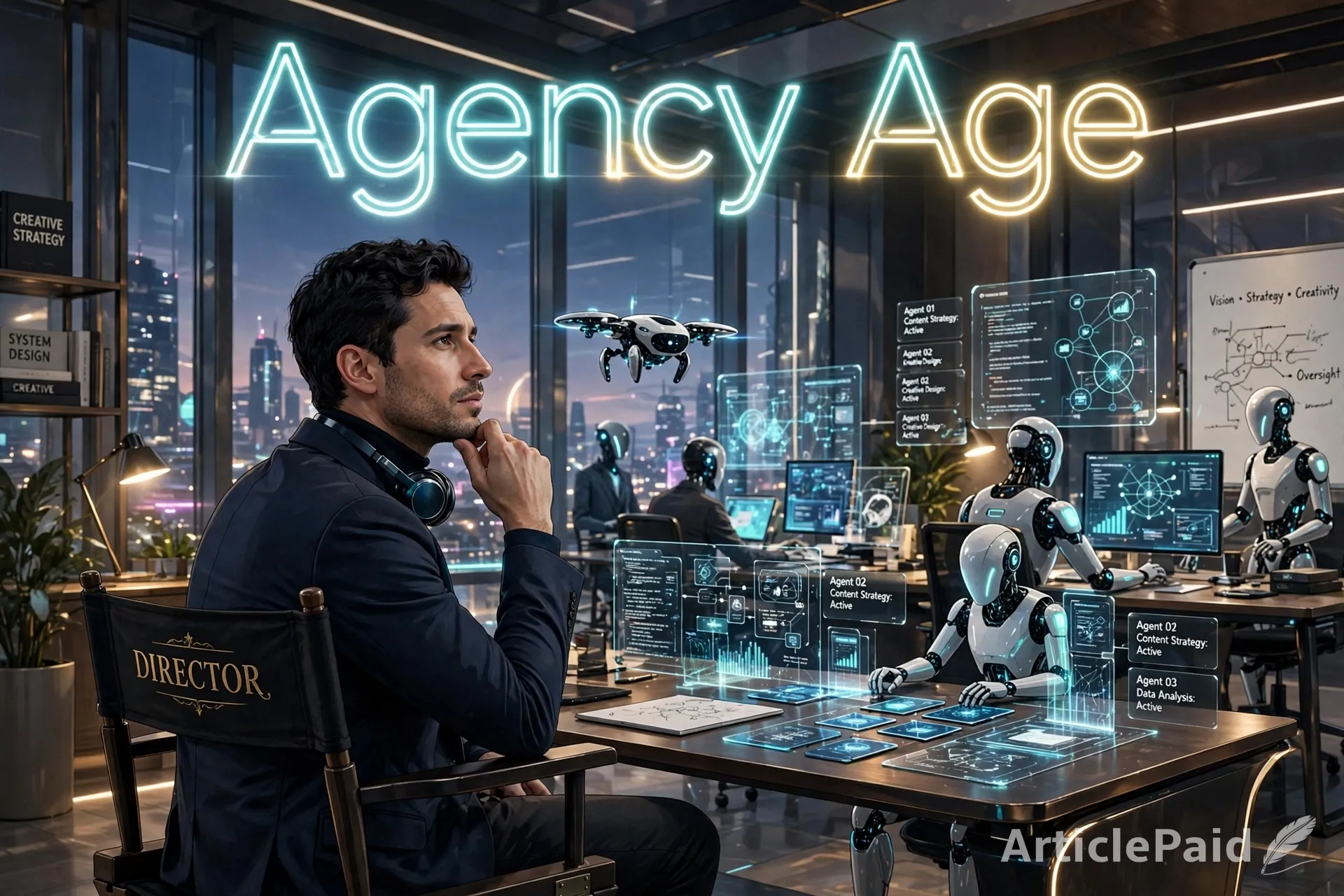
As AI agents shoulder the burden of execution, the nature of human work is evolving. We are shifting from doers—people who manually press buttons and format documents—to directors and editors.
- Goal Setting: Success now depends on how clearly you can define an objective and set constraints.
- Quality Control: Humans step in as reviewers, checking for nuance, ethics, brand voice, and factual accuracy.
- Strategic Thinking: With administrative and routine tasks automated, professionals can focus on high-level creativity, empathy, and complex problem-solving.
Challenges on the Horizon
While the promise is immense, the widespread adoption of AI agents brings challenges that industries are actively navigating:
- Security and Permissions: Giving an AI agent autonomous access to your email, bank accounts, or enterprise databases requires robust guardrails.
- Reliability: Agents can occasionally "hallucinate" steps or get stuck in repetitive loops when faced with ambiguous instructions.
- Workflow Integration: Organizations need to redesign processes so humans and autonomous agents can collaborate seamlessly without stepping on each other's toes.
Conclusion
The rise of AI agents marks the transition from the Information Age to the Agency Age. They are no longer just passive repositories of knowledge; they are active participants in our daily routines.
By taking over the friction of execution, AI agents are freeing us up to focus on what humans do best: imagining what comes next.



















Responses (0)
Sign in to share your thoughts.
Sign in