
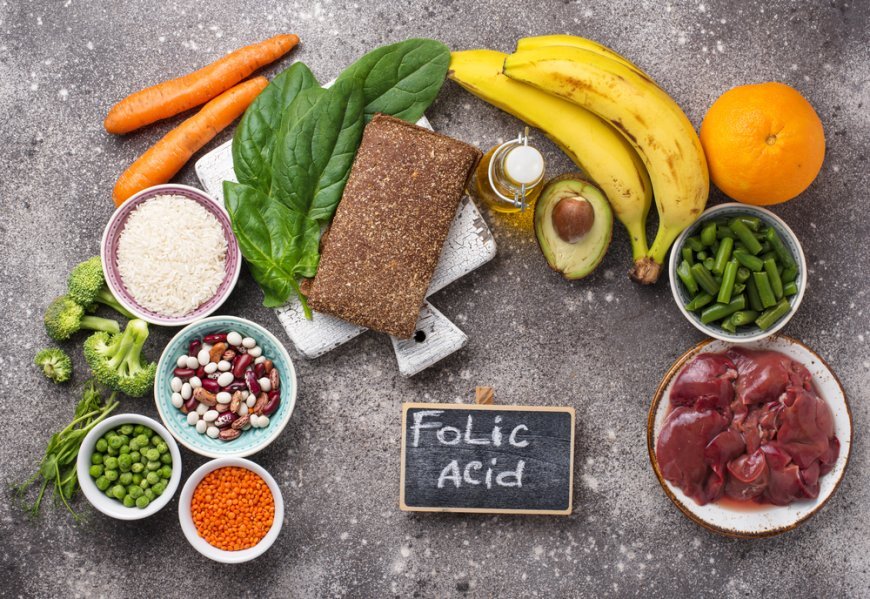
Folic acid is a vital nutrient that plays a critical role in many bodily functions, especially in cell formation and growth. While it’s well-known for its importance during pregnancy, folic acid has far-reaching benefits for everyone, regardless of age or gender. As a synthetic form of folate (a B vitamin), folic acid is widely used in supplements and fortified foods to ensure proper health and development. Whether you're aiming to boost your heart health, improve brain function, or prepare for a healthy pregnancy, understanding folic acid is key. This comprehensive guide explores what folic acid does, where to find it, how much you need, and the potential risks and side effects.
What Is Folic Acid?
Folic acid is the synthetic form of folate, also known as vitamin B9, one of the essential B-complex vitamins. It’s water-soluble, meaning it dissolves in water and isn’t stored in the body. Therefore, it must be replenished regularly through diet or supplements. Folate occurs naturally in foods like leafy greens, legumes, and citrus fruits, while folic acid is the man-made version added to fortified products and multivitamins.
This nutrient is essential for the synthesis and repair of DNA and RNA, and it plays a major role in protein metabolism. It’s especially crucial during periods of rapid growth, such as pregnancy, infancy, and adolescence. Without enough folic acid, the body cannot produce healthy red blood cells, which can lead to anemia and other health concerns.
• Synthetic version of natural folate (vitamin B9)
• Water-soluble and not stored in the body
• Added to supplements and fortified foods
• Needed for DNA/RNA synthesis and red blood cell production
• Crucial during rapid cell growth phases like pregnancy
Health Benefits of Folic Acid
Folic acid delivers a wide range of health benefits. One of its most well-known roles is preventing neural tube defects in unborn babies when taken by pregnant women. But its benefits don’t stop there. Folic acid supports cardiovascular health by regulating homocysteine levels, an amino acid that, at high levels, can increase the risk of heart disease and stroke. It also contributes to brain health and may reduce the risk of cognitive decline in older adults.
Folic acid helps maintain healthy skin, nails, and hair. It’s often used in combination with other B vitamins to support energy metabolism and reduce fatigue. Additionally, it plays a role in mental health by supporting the production of serotonin, a neurotransmitter linked to mood regulation.
• Prevents neural tube defects during pregnancy
• Reduces risk of heart disease and stroke
• May lower risk of cognitive decline and memory loss
• Supports healthy skin, hair, and nails
• Enhances mood by boosting serotonin production
• Aids in energy metabolism and reduces fatigue
Best Natural Food Sources of Folic Acid
While folic acid is the synthetic form, natural folate can be found in a wide variety of whole foods. Incorporating these into your daily diet is one of the best ways to meet your folate needs. Leafy green vegetables such as spinach, kale, and collard greens are excellent sources. Legumes like lentils, beans, and peas are also rich in folate. Other great sources include citrus fruits, avocados, Brussels sprouts, and asparagus.
Cooking methods can affect the folate content in foods, as this nutrient is sensitive to heat. To maximize intake, try consuming some vegetables raw or lightly steamed. A balanced diet rich in these foods can help you maintain optimal levels of folate without needing supplements.
• Spinach, kale, and other leafy greens
• Lentils, chickpeas, and black beans
• Oranges, grapefruits, and strawberries
• Asparagus and Brussels sprouts
• Avocados and beets
• Fortified cereals, pasta, and rice
Folic Acid Supplements and Fortified Foods
In many countries, folic acid is added to staple foods like bread, pasta, flour, and breakfast cereals. This practice has significantly reduced neural tube defects and other folate deficiency-related issues. Supplements are widely available in multivitamins or as standalone tablets, often containing the recommended daily dose.
Supplementation is especially recommended for women of childbearing age, people with poor diets, those with absorption disorders, and individuals taking medications that interfere with folate metabolism. However, it’s always best to consult a healthcare provider before starting supplements, as too much folic acid can mask certain vitamin deficiencies.
• Found in multivitamins and prenatal supplements
• Added to cereals, breads, and flour products
• Useful for people with absorption issues or restrictive diets
• Helps meet the needs of pregnant women or those planning pregnancy
• Reduces incidence of birth defects and anemia
Recommended Daily Intake of Folic Acid
The recommended daily intake of folic acid varies based on age, gender, and life stage. For most adults, the recommended dietary allowance (RDA) is 400 micrograms (mcg) per day. Pregnant women need more—about 600 mcg daily—to support the growing fetus and reduce the risk of birth defects. Breastfeeding mothers should aim for 500 mcg daily.
Children also need folate for healthy development, with the RDA ranging from 150 to 300 mcg depending on age. Meeting these requirements can usually be achieved through a combination of diet and fortified foods, although supplements may be needed in certain circumstances.
• Adults: 400 mcg/day
• Pregnant women: 600 mcg/day
• Breastfeeding women: 500 mcg/day
• Children (1–3 years): 150 mcg/day
• Children (4–8 years): 200 mcg/day
• Teens (9–13 years): 300 mcg/day
Folic Acid and Pregnancy
Folic acid is perhaps most famous for its role in preventing neural tube defects like spina bifida and anencephaly. These birth defects occur early in pregnancy, often before a woman knows she’s pregnant, which is why health professionals recommend that all women of childbearing age take a daily folic acid supplement.
Taking folic acid before and during pregnancy also supports the formation of the baby’s brain and spinal cord, promotes healthy placenta development, and reduces the risk of other complications like low birth weight and preterm delivery. Because of these benefits, prenatal vitamins almost always include folic acid.
• Prevents neural tube defects and other congenital disabilities
• Supports healthy brain and spinal cord development
• Promotes proper formation of the placenta
• Reduces risk of miscarriage and preterm labor
• Recommended before and during pregnancy for all women of childbearing age
Possible Side Effects and Risks of Too Much Folic Acid
Although folic acid is generally safe and well-tolerated, consuming it in excessive amounts can lead to problems. High doses—especially more than 1,000 mcg daily—can mask symptoms of vitamin B12 deficiency, which, if left untreated, can cause irreversible nerve damage. This is especially concerning in older adults.
Other rare side effects of excessive folic acid include bloating, nausea, sleep disturbances, and skin reactions. People who have cancer or a history of certain cancers should talk to a doctor before taking high doses, as some studies suggest it may influence tumor growth.
• Can mask vitamin B12 deficiency
• Potential for nerve damage if B12 remains untreated
• May cause gastrointestinal issues like bloating and gas
• Risk of skin rash or allergic reaction in some individuals
• Unclear effects on cancer growth at high doses
Who Should Take Folic Acid Supplements?
Certain groups are more likely to benefit from folic acid supplements. Women planning to conceive or already pregnant are at the top of the list. People with digestive disorders such as celiac disease or inflammatory bowel disease may have trouble absorbing folate and can benefit from supplements. Those on medications that interfere with folate metabolism—such as methotrexate, anticonvulsants, or metformin—might also need extra folic acid.
Older adults, vegetarians, and individuals with alcohol use disorder are also at risk of deficiency. Supplements can bridge nutritional gaps and help maintain proper folate levels, especially when the diet is insufficient or absorption is impaired.
• Women who are pregnant or planning pregnancy
• People with digestive or absorption disorders
• Those taking medications affecting folate metabolism
• Individuals with poor dietary habits
• Older adults and heavy alcohol consumers
• Vegetarians and vegans
Signs of Folic Acid Deficiency
Folate deficiency can lead to a variety of symptoms, many of which overlap with other health conditions. Common signs include fatigue, weakness, irritability, and difficulty concentrating. Anemia is a hallmark symptom, often resulting in pale skin and shortness of breath. Deficiency can also cause tongue inflammation, poor immune function, and in severe cases, developmental issues in unborn babies.
If you suspect a deficiency, a blood test can confirm low folate levels. Treatment usually involves dietary changes and folic acid supplementation. Catching and correcting deficiency early can prevent long-term health complications.
• Persistent fatigue and low energy
• Pale skin and shortness of breath
• Irritability and poor concentration
• Swollen tongue and mouth sores
• Weakened immune response
• Risk of birth defects in unborn children
Conclusion
Folic acid is a vital nutrient that supports a wide range of bodily functions, from cell growth and DNA synthesis to heart and brain health. It plays a crucial role during pregnancy and can help prevent serious birth defects when taken as recommended. Found in both natural food sources and fortified products, folic acid is accessible and essential for people of all ages. While deficiency can have serious health consequences, supplements can help bridge the gap for those who need it. Knowing how much folic acid you need, where to find it, and how it benefits your body is key to maintaining long-term health and wellness.




















Responses (0)
Sign in to share your thoughts.
Sign in