
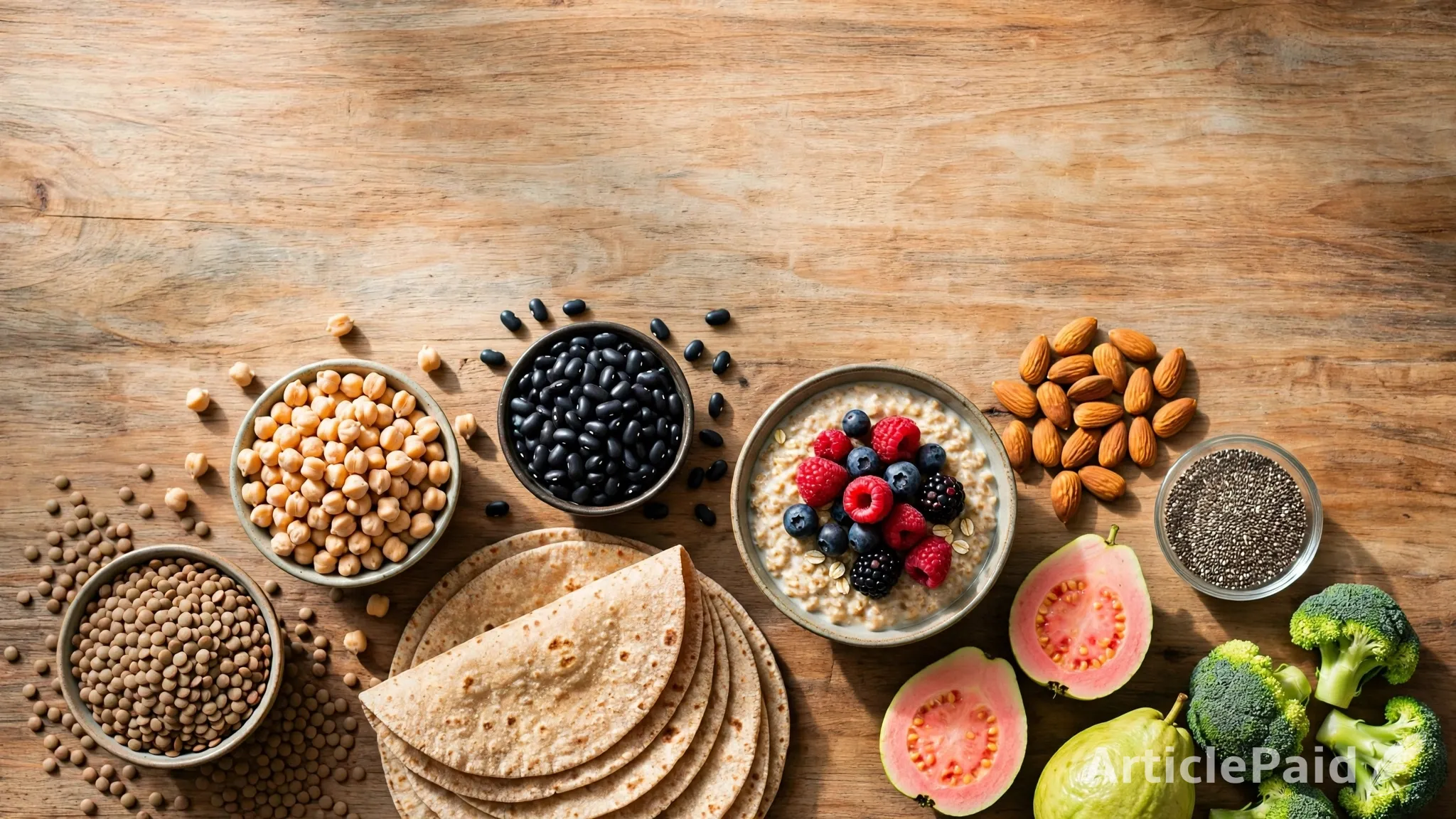
Scroll through TikTok or Instagram for a minute and you'll see it: fibermaxxing. Sounds dramatic. The idea, though? Eat more fiber. That's all.
So, Are We Really Short on Fiber?
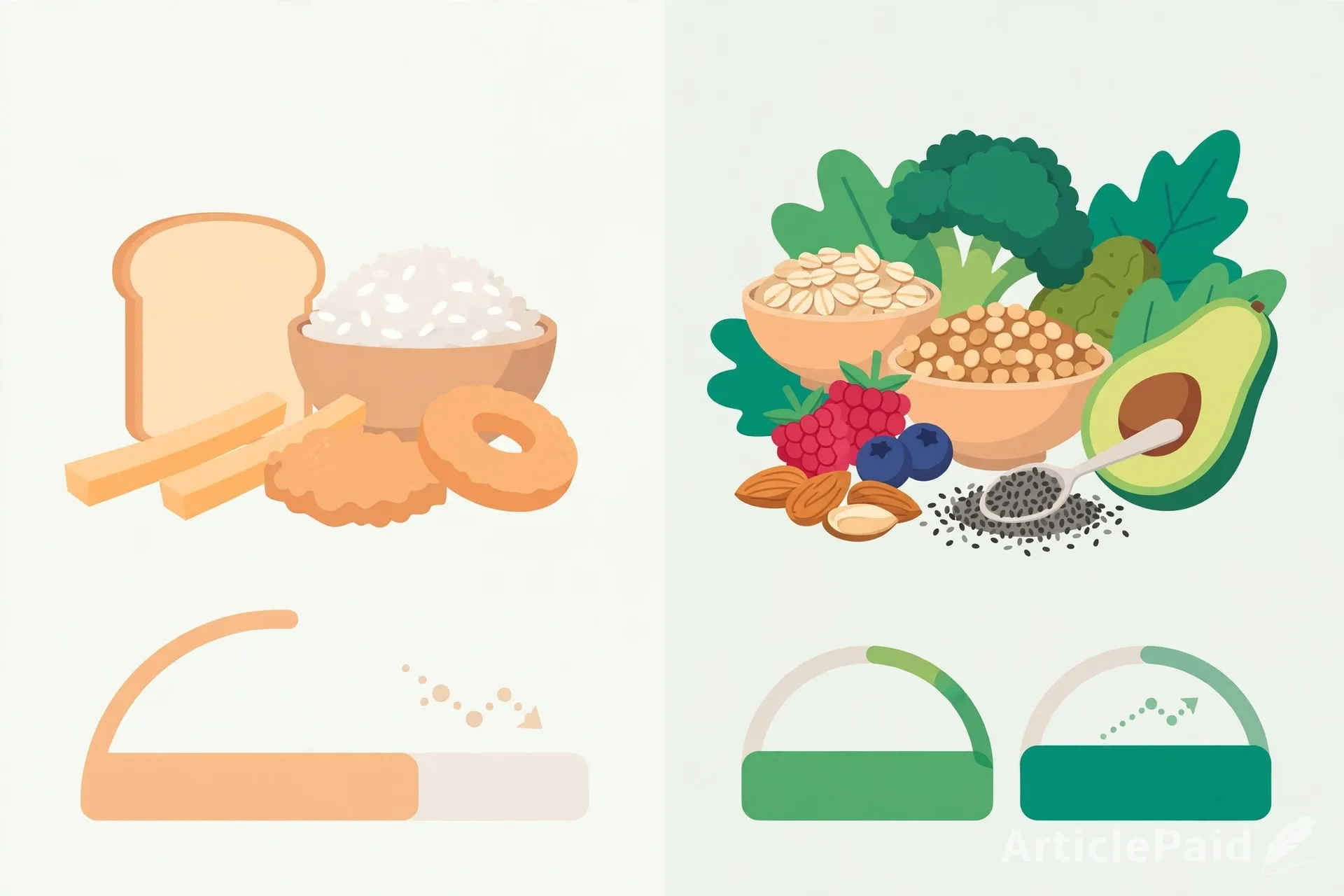 Yes, and by a lot. U.S. adults averaged around 16 grams a day in 2009–2010, and an estimated 95% of adults and children fall below the recommended amounts. The targets are about 25 grams for women and 38 for men. Fiber has even been listed as a "nutrient of concern" in U.S. dietary guidelines since 2005.
What Does the Evidence Show?
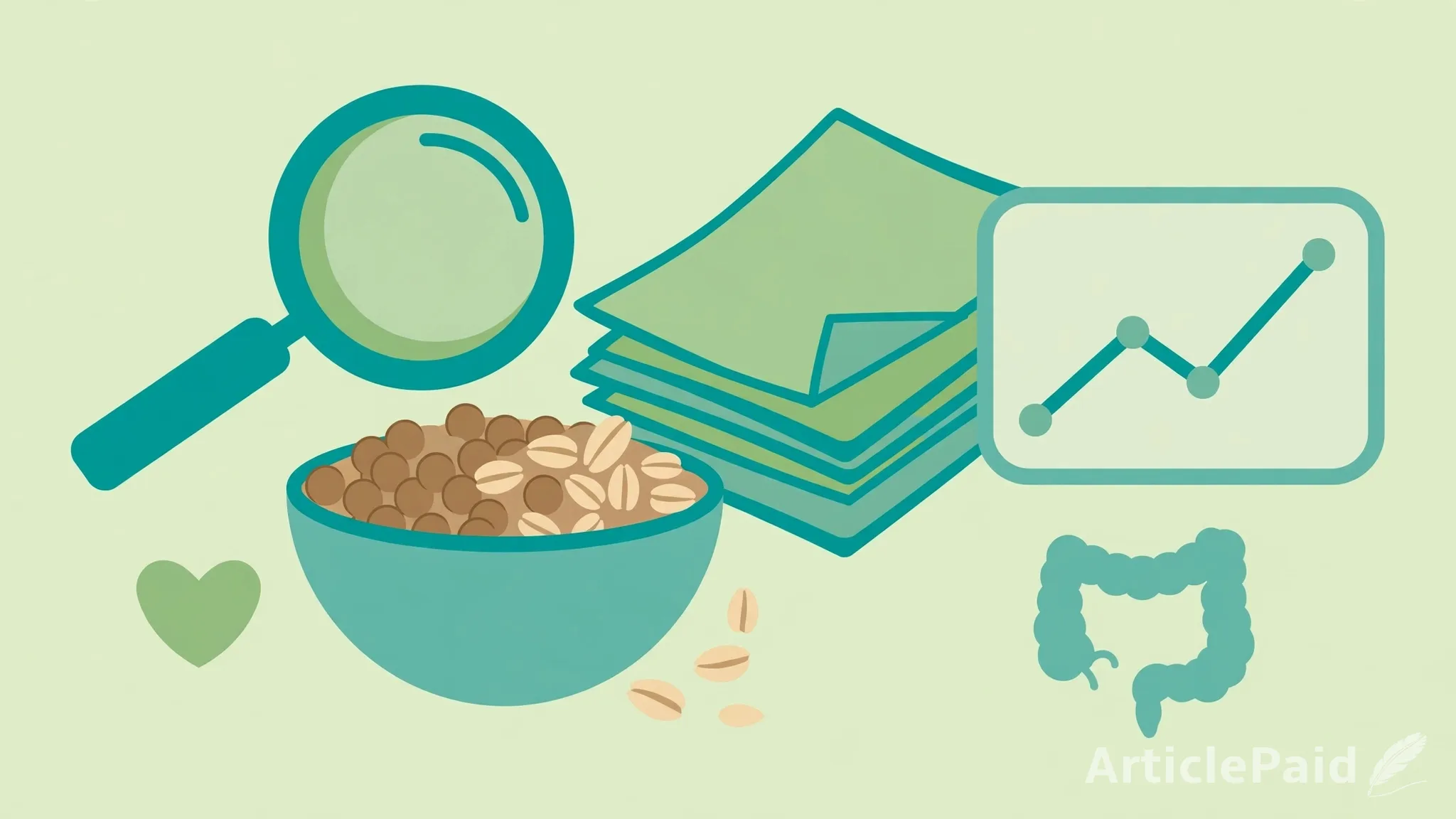 The best-known study here was published in The Lancet in 2019 for the World Health Organization. Researchers combined 185 long-term studies with 58 clinical trials, which is a huge amount of data.
Here's what stood out. People eating the most fiber had a 15–30% lower risk of early death, heart disease, stroke, type 2 diabetes, and colorectal cancer. In the trials, more fiber meant lower weight, blood pressure, and cholesterol. The biggest gains showed up at 25 to 29 grams a day.
But don't treat it as a miracle. Most of the data was observational, so it points to a link rather than proof. The authors called the evidence moderate.
Why Might Fiber Work?
Part of the answer is fullness. Foods that need a lot of chewing, like beans and whole grains, stay with you longer, which may help with weight and with cholesterol and blood sugar. And then there's the gut: bacteria in the large intestine break fiber down, which researchers think may protect against colorectal cancer.
What Can You Eat Tomorrow?
Nothing fancy. Try one or two of these:
- A bowl of daal, chana, or rajma. Lentils and black beans give about 8 grams in half a cup, cooked.
- A small handful of nuts, roughly 2 to 3 grams per quarter cup.
- Whole wheat roti instead of white bread.
- A cereal with at least 5 grams per serving. Check the label.
- Oatmeal topped with fruit and seeds.
How Fast Should You Go?
Slowly. If you suddenly double your fiber, expect gas and bloating. A dietitian quoted by EatingWell suggests adding just 1 to 3 grams a day and drinking plenty of water.
Is It Safe for Everyone?
Not always. If you have a digestive condition, talk to your doctor first. The Lancet authors also noted that eating too much fiber may be harmful for people who are low in iron or other minerals.
The Short Version
Fibermaxxing is a trend, but the advice under it is old and sound. Add fiber a little at a time, drink more water, and keep it up.
This article is for general information and is not medical advice.
References
1. Reynolds A, et al. Carbohydrate quality and human health: a series of systematic reviews and meta-analyses. The Lancet, 2019; 393(10170): 434–445. https://doi.org/10.1016/S0140-6736(18)31809-9
2. Quagliani D, Felt-Gunderson P. Communication Strategies From a Food and Fiber Summit. PMC. https://pmc.ncbi.nlm.nih.gov/articles/PMC6124841
3. EatingWell. 9 Out of 10 Americans Don't Get Enough Fiber: Here's How Much You Really Need. https://www.aol.com/9-10-americans-dont-enough-201102074.html



















Responses (0)
Sign in to share your thoughts.
Sign in