

In recent years, researchers have paid increasing attention to ultra-processed foods (UPFs) and their impact on health. These foods—ranging from packaged snacks and sugary cereals to fast food and sodas—make up a significant part of modern diets. Interestingly, studies suggest that even when calorie intake is controlled, ultra-processed diets can lead to weight gain. But why does this happen? Let’s explore the science behind it.
What Are Ultra-Processed Foods?
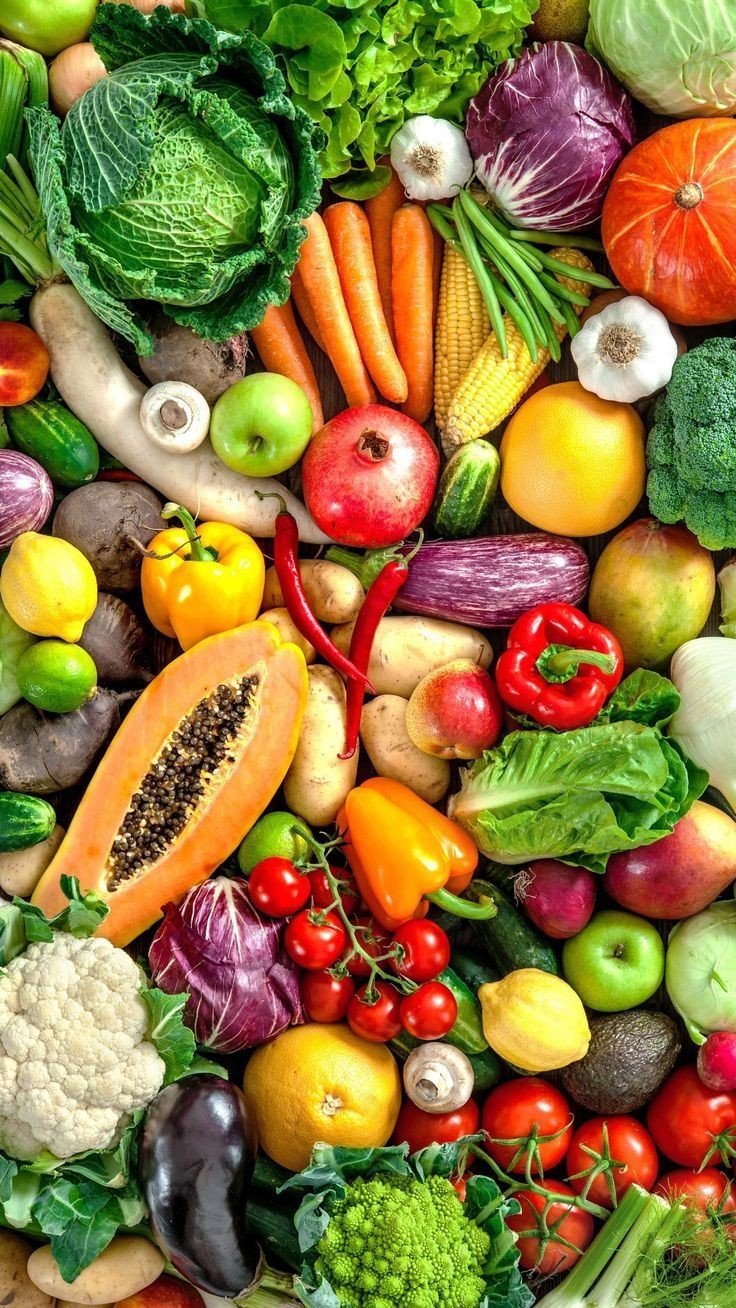
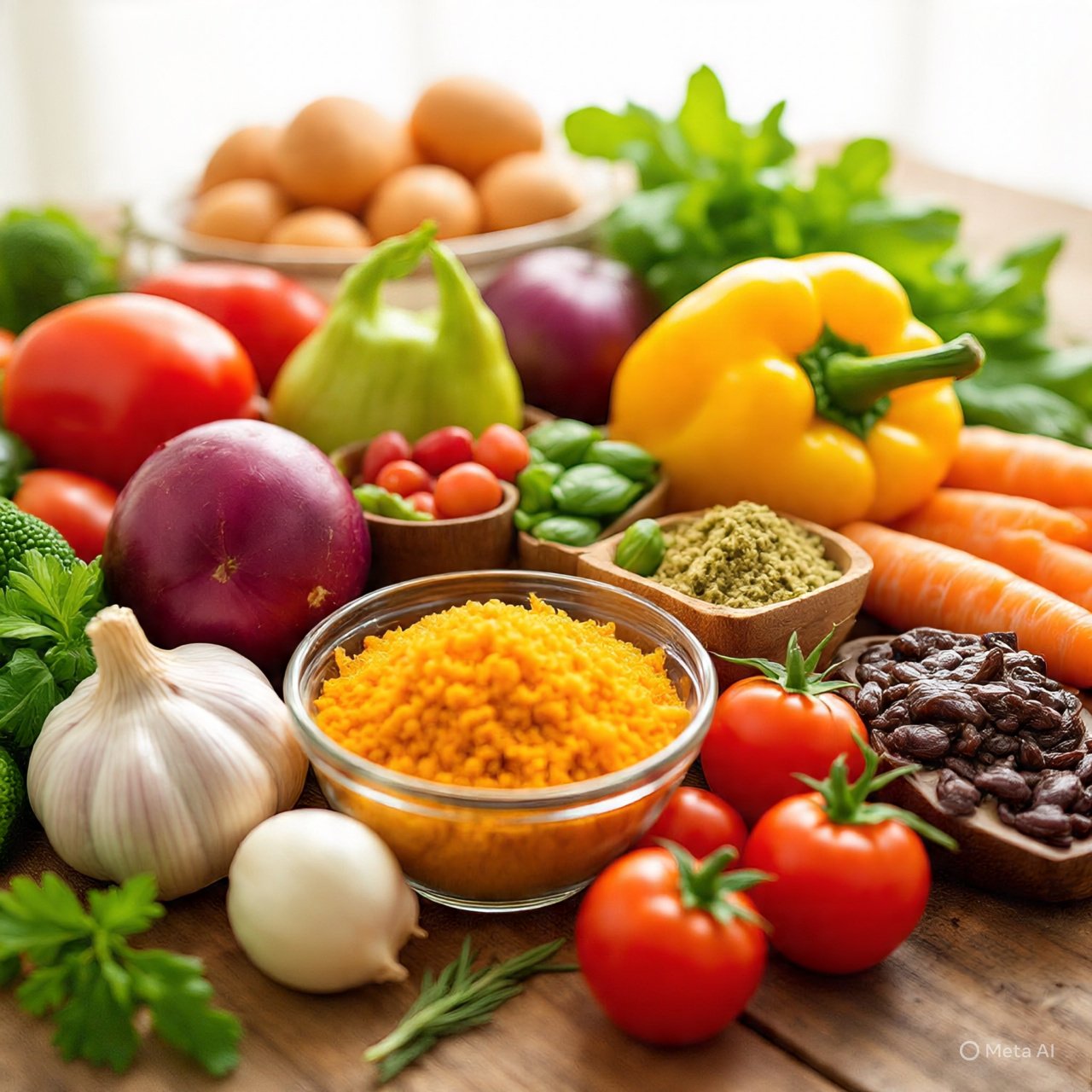
Ultra-processed foods are industrial formulations made with refined ingredients, artificial additives, flavor enhancers, and preservatives. Examples include chips, candies, instant noodles, sweetened drinks, and frozen ready-to-eat meals. Unlike whole foods, they lack fiber, protein quality, and essential micronutrients.
Continue reading this Article by fatimagul
Join our community to access the full story. Creating an account is completely free and only takes a moment.
- Read unlimited free publications across the platform
- Directly support independent journalists and authors
- Join discussions, leave reactions, and save your favorites

















Responses (0)
Sign in to share your thoughts.
Sign in