
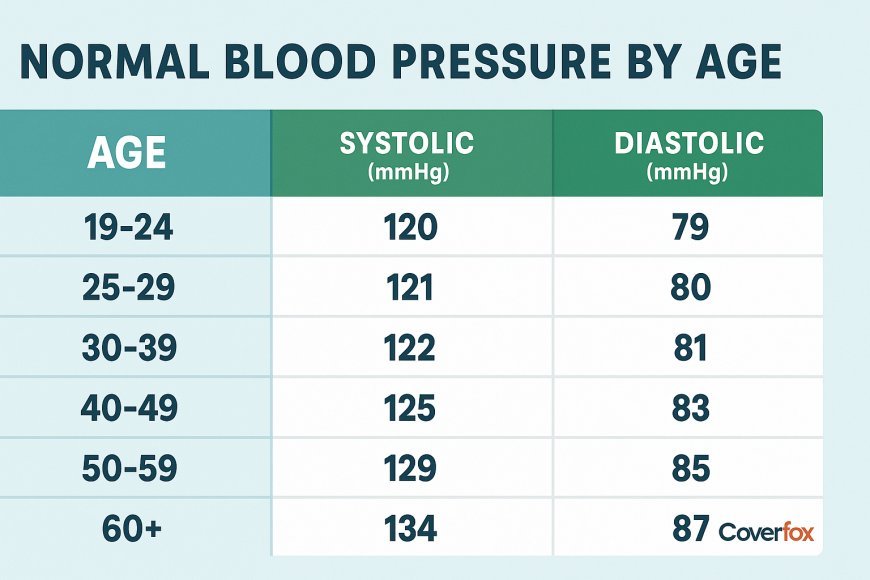
Understanding your blood pressure numbers is vital for maintaining heart health and overall well-being. Blood pressure is a direct indicator of how efficiently your heart is pumping blood throughout your body. The numbers can reveal whether you’re in optimal health or at risk of serious health conditions like heart disease, stroke, or kidney failure. In this guide, we’ll break down the key elements of a blood pressure chart, explain what different readings mean, and help you make sense of how these values apply to your health. With the right knowledge, you can take control of your numbers and your life.
What is Blood Pressure?
Blood pressure is the force of blood pushing against the walls of your arteries as your heart pumps. It's recorded with two numbers: systolic pressure (top number) and diastolic pressure (bottom number). The systolic measures the pressure when your heart beats, and the diastolic measures it when your heart rests between beats. These two values are measured in millimeters of mercury (mmHg). Together, they form a critical indicator of your cardiovascular health.
- Systolic (Top Number): Indicates the pressure during a heartbeat
- Diastolic (Bottom Number): Shows pressure between heartbeats
- Normal Range: Typically around 120/80 mmHg
- Measured In: Millimeters of mercury (mmHg)
Consistently high or low readings can lead to long-term health risks. Recognizing these signs early and understanding what your numbers mean can help you stay ahead of potential problems.
How to Read a Blood Pressure Chart
A blood pressure chart helps interpret your systolic and diastolic numbers. It's categorized into ranges that define whether your blood pressure is normal, elevated, or high. Doctors use this chart to diagnose hypertension or hypotension and to monitor changes over time.
Here’s a simplified breakdown:
- Normal: Less than 120/80 mmHg
- Elevated: 120–129 systolic and less than 80 diastolic
- High Blood Pressure Stage 1: 130–139 systolic or 80–89 diastolic
- High Blood Pressure Stage 2: 140 or higher systolic or 90 or higher diastolic
- Hypertensive Crisis: Over 180 systolic and/or over 120 diastolic – medical emergency
Understanding where your numbers fall on this chart helps you identify when it's time to take action, adjust your lifestyle, or seek medical help.
Why Your Blood Pressure Numbers Matter
Each number on your blood pressure reading tells a story about how hard your heart is working and the strain it may be placing on your arteries. High systolic readings can increase the risk of heart attacks and strokes, especially in older adults. Elevated diastolic numbers are more common in younger people and can be just as dangerous over time.
- High Systolic: Can damage arteries, increase stroke risk
- High Diastolic: May lead to long-term heart disease if ignored
- Fluctuating Readings: Could indicate stress, medication side effects, or underlying health issues
- Low Blood Pressure (Hypotension): May cause dizziness, fainting, and fatigue
Knowing the significance of each reading allows you to react accordingly and protect your long-term health.
Blood Pressure Categories and Their Health Implications
The categories in a blood pressure chart are not arbitrary—they correspond to varying levels of cardiovascular risk. Understanding each category helps you know what actions to take next.
- Normal: No immediate concerns, maintain healthy habits
- Elevated: Risk is rising—consider lifestyle changes
- Stage 1 Hypertension: Monitor closely; may require lifestyle change or medication
- Stage 2 Hypertension: Higher risk; often treated with medication
- Hypertensive Crisis: Emergency; seek medical attention immediately
Failing to act on rising numbers can lead to irreversible damage to the heart, brain, kidneys, and eyes.
Blood Pressure by Age and Gender
Blood pressure naturally changes with age, and differences can occur between men and women. It's important to know the average values expected for your demographic.
- Children: Typically lower; monitored differently by pediatricians
- Adults 18–39: Ideal under 120/80 mmHg
- Middle-aged Adults (40–59): Slight rise is normal; still under 130/85 is best
- Older Adults (60+): Less aggressive targets may be considered; under 140/90 is generally acceptable
- Women: May see increases post-menopause due to hormonal changes
These averages guide physicians in tailoring recommendations and treatments that suit your age and health profile.
Factors That Influence Your Blood Pressure
Several internal and external factors can cause fluctuations in your blood pressure. Monitoring these can help you manage your health more effectively and avoid misdiagnosis.
- Diet (especially sodium and potassium intake)
- Stress and anxiety
- Sleep quality
- Physical activity
- Weight and body composition
- Genetics and family history
- Medications and supplements
- Smoking and alcohol use
Being aware of these variables helps you take a proactive role in controlling your blood pressure.
How to Measure Blood Pressure Accurately
Accurate blood pressure readings require proper technique and equipment. Readings can vary based on how and when you take them, so following best practices is crucial.
- Sit quietly for at least 5 minutes before measuring
- Keep your back supported and feet flat on the floor
- Use a properly fitted cuff on your bare upper arm
- Measure at the same time daily
- Avoid caffeine, exercise, and smoking for at least 30 minutes prior
Invest in a high-quality digital monitor and bring it to your doctor appointments to ensure consistency.
When to See a Doctor About Your Blood Pressure
Routine monitoring at home is beneficial, but there are times when professional medical advice is necessary. Your doctor can help determine if your readings are cause for concern or require further testing.
- Consistently elevated readings (above 130/80 mmHg)
- Sudden spikes in pressure without explanation
- Symptoms like chest pain, vision changes, or dizziness
- Blood pressure below 90/60 mmHg causing fatigue or fainting
- Readings in hypertensive crisis range
Ignoring persistent abnormalities can lead to missed diagnoses or delayed treatment, increasing your risk of heart disease or stroke.
How to Maintain Healthy Blood Pressure
Long-term maintenance of a healthy blood pressure requires consistent lifestyle habits. These daily choices significantly influence your cardiovascular health and reduce your risk of hypertension.
- Eat a balanced, low-sodium diet
- Exercise regularly (30 minutes a day, most days)
- Manage stress through meditation, hobbies, or therapy
- Avoid smoking and limit alcohol
- Maintain a healthy weight
- Sleep 7–9 hours per night
- Stay hydrated
Making these actions a part of your daily routine can help prevent the need for medication and support your heart's health for years to come.
Blood Pressure Chart for Children and Teens
Blood pressure guidelines for children and teenagers differ from those for adults. Pediatricians use percentile charts based on age, gender, and height to determine normal ranges.
- Infants (0–12 months): 70–100/50–65 mmHg
- Toddlers (1–3 years): 90–105/55–70 mmHg
- Children (4–12 years): 95–110/60–75 mmHg
- Teens (13–18 years): 110–120/70–80 mmHg
Early detection of abnormal blood pressure in children can prevent lifelong cardiovascular issues, making regular check-ups critical.
Conclusion
Understanding what your blood pressure numbers mean empowers you to take charge of your health. Whether you're in the normal range or facing elevated readings, knowing how to interpret the blood pressure chart helps you make informed decisions. Monitor your numbers regularly, recognize what they reveal, and take actionable steps to maintain or improve your cardiovascular wellness. The numbers aren’t just statistics—they are a reflection of how well your heart is working for you.





















Responses (0)
Sign in to share your thoughts.
Sign in