

Introduction
In today's digital age, screens are everywhere. From televisions and tablets to smartphones and computers, children are spending more time in front of screens than ever before. While technology offers numerous benefits, excessive screen time can have several negative effects on children. Understanding these impacts is crucial for parents and caregivers who want to ensure the healthy development of their kids.
Negative Effects of Too Much Screen Time
Impact on Physical Health
Sedentary Lifestyle and Obesity
One of the most immediate effects of too much screen time is a sedentary lifestyle. When kids spend long hours sitting and watching screens, they are less likely to engage in physical activities. This lack of movement can lead to weight gain and obesity, which in turn increases the risk of various health issues such as diabetes and heart disease.
Eye Strain and Vision Problems
Staring at screens for extended periods can cause eye strain and discomfort. Known as computer vision syndrome, this condition includes symptoms like dry eyes, blurred vision, and headaches. Prolonged screen time can also contribute to the development of myopia, or nearsightedness, in children.
Mental Health Consequences
Increased Anxiety and Stress
Excessive screen time, especially on social media and video games, can lead to increased anxiety and stress in children. The constant bombardment of information and the pressure to keep up with peers online can be overwhelming, leading to feelings of inadequacy and anxiety.
Reduced Attention Span and Focus
Spending too much time on fast-paced digital content can negatively affect children's attention spans. They may find it harder to concentrate on tasks that require sustained mental effort, such as reading or homework, leading to difficulties in learning and academic performance.
Effects on Sleep Patterns
Difficulty Falling Asleep
The blue light emitted by screens can interfere with the production of melatonin, the hormone responsible for regulating sleep. This can make it difficult for children to fall asleep at night, especially if they use screens close to bedtime.
Poor Sleep Quality
Not only does screen time affect the ability to fall asleep, but it can also impact the quality of sleep. Children who spend a lot of time on screens may experience fragmented sleep and wake up feeling tired, which can affect their mood and performance the next day.
Social Skill Development
Reduced Face-to-Face Interaction
When children spend excessive time on screens, they miss out on crucial face-to-face interactions. These interactions are essential for developing social skills such as empathy, communication, and emotional intelligence. Without enough real-world social experiences, children may struggle to build and maintain healthy relationships.
Impaired Social Skills
Children who rely heavily on digital communication may have difficulty developing effective social skills. They might struggle with understanding non-verbal cues, making eye contact, and engaging in meaningful conversations, which are critical for social development.
Academic Performance
Distraction from Homework
Screens can be a major distraction when it comes to homework and studying. Children might find it difficult to focus on their academic tasks if they are constantly checking their phones or engaging in other screen-based activities. This distraction can lead to incomplete assignments and lower academic achievement.
Lower Grades
The cumulative effect of reduced attention span, poor sleep, and distractions from screens can result in lower grades. Children who spend excessive time on screens are often unable to dedicate sufficient time and effort to their studies, which can negatively impact their academic performance.
Behavioral Issues
Increased Aggression and Irritability
Exposure to violent or fast-paced content on screens can lead to increased aggression and irritability in children. They may mimic the aggressive behaviors they see on screen, leading to conflicts with peers and family members.
Dependence on Instant Gratification
The instant gratification provided by screen-based activities, such as social media likes or game rewards, can make children less patient and more demanding. This dependence on immediate rewards can hinder their ability to develop perseverance and delayed gratification, which are important life skills.
Impact on Creativity
Reduced Imaginative Play
Screen time often replaces imaginative play, which is crucial for cognitive and social development. Engaging in creative activities like drawing, building, and role-playing helps children develop problem-solving skills and creativity. Excessive screen time can stifle this aspect of their growth.
Less Engagement in Hobbies
Children who spend too much time on screens are less likely to engage in hobbies such as reading, playing musical instruments, or participating in sports. These activities are important for well-rounded development and help children discover and nurture their talents and interests.
Managing Screen Time for Kids
Setting Screen Time Limits
One of the most effective ways to manage screen time is to set clear limits. Establishing rules around how much time children can spend on screens each day helps ensure they have time for other important activities.
Encouraging Outdoor Activities
Promoting outdoor play and physical activities is crucial for children's health and development. Encourage your kids to spend time outside, engage in sports, or participate in other physical activities to balance their screen time.
Promoting Face-to-Face Interaction
Encourage children to spend time with friends and family members in person. Organize family activities, playdates, and social gatherings to help them develop and maintain strong social skills.
Conclusion
Excessive screen time can have numerous negative effects on children, from physical health issues to impaired social skills and academic performance. By understanding these impacts and implementing strategies to manage screen time, parents can help their children lead healthier, more balanced lives. Encouraging outdoor activities, setting screen time limits, and promoting face-to-face interactions are key steps in fostering your child's overall well-being.
FAQs
How much screen time is appropriate for kids?
The American Academy of Pediatrics recommends no more than one hour per day of screen time for children aged 2 to 5 years and consistent limits for children aged 6 and older to ensure they have time for other activities.
What are some effective ways to reduce screen time?
Effective strategies include setting screen time limits, encouraging outdoor play, involving kids in household chores, and planning family activities that do not involve screens.
Can educational screen time be beneficial?
Yes, educational screen time can be beneficial when used in moderation. High-quality educational programs and apps can support learning and development, but it's important to balance this with other activities.
How can I help my child develop better social skills?
Encourage face-to-face interactions, involve them in group activities, and model positive social behavior. Limiting screen time also helps ensure they spend more time engaging with others in person.
Are there any apps to help manage screen time?
Yes, there are several apps available that can help manage screen time, such as Apple's Screen Time, Google's Family Link, and third-party apps like Qustodio and OurPact. These tools allow parents to set limits and monitor usage.
More from ArticlePaid

The Impact of Social Media on Modern Relationships.
Social media has significantly impacted modern relationships by enhancing communication and providing access to support networks. However, it also presents challenges such as increased jealousy, privacy concerns, distractions, and mental health issues. Balancing online interactions with real-life connections is essential for maintaining healthy relationships in the digital age.

Maternal Mental Health: An Urgent Crisis Requiring Immediate
Introduction Maternal mental health, encompassing psychological and emotional well-being during pregnancy and postpartum, remains a critical yet often ove

PRIMARY WORDS: DIABETES, Cortisol, hypoglycemia. lets dive
PRIMARY WORDS: DIABETES, Cortisol, hypoglycemia. SECONDARY WORDS: amino acids, glucose RISK OF DIABETES Psychological and em

The Science of Morning Routines: How Starting Your Day Right Improves Your Health
This article seeks to present a rationale with regard to morning habits and the impact of waking and planning in view of health. It pushes the advantages of drinking water, moving and meditating, and eating a good breakfast in concern with how they improve energy levels, decrease stress and contribute to happy moods. After reviewing research curating daily routines, the role of habit formation in morning routines has been synthesized.

Germinations: How Time In Nature Affects The Brain: Enough Activity Fosters Creativity by T.G.Mu
No sooner are we gripped by the vices of modernised sedentary life than by its regressing change- and so too, are we to fall -unless we make that conscious decision to chisel for ourselves arduously and patiently a Better Being, a Better Self; a Healthier We, a Happier You. With that, I hope this article will be of interest, help and reference for you.

The Power of Gratitude : tips you should Practice Daily
Gratitude is a transformative emotion that can improve emotional well-being, physical health, relationships, and resilience. By practicing gratitude daily through journaling, expressing thanks, and mindfulness, you can cultivate a more positive outlook on life and experience its numerous benefits.

Combatting Depression: Medical Strategies for Optimal Mental Health
Depression, or major depressive disorder (MDD), is characterized by persistent feelings of sadness, hopelessness, and a lack of interest in daily activities. It is associated with disturbances in sleep, appetite, and cognitive function. From a medical standpoint, depression involves complex interactions between genetic, biological, environmental, and psychological factors.

"Boost Your Mood in Minutes: 5 Simple Exercises to Try Today"
Feeling down? Get an instant mood boost with these easy exercises that release endorphins, improve energy levels, and help you feel happier in just minutes.

Why AI and Our Health Matter More Than Ever in 2025
In recent years, Artificial Intelligence (AI) has grown far beyond chatbots and digital assistants. Today, its most powerful impact can be seen in healthca
Weekly Top Articles

8 Methods to Write the Next Short Story After a Successful Hit
When Your Success Becomes Your Next ChallengeYou have published your first short story, and you feel proud to receive positive rev...

Why Saving Money Won't Make You Rich: 7 Ways to Wealth
Introduction: Will Saving Make You Richer?Everybody wants to leave school and enter a bright financial future. Most people think t...

Healthy soup for cold& cough- comforting Ginger Garlic soup
IntroductionWarm up with this easy, healthy and tasty homemade Ginger Garlic Soup. This soup has been made using fresh ingredients...

How Can I Use AI to Grow My Business and Make More Money in 2026?
IntroductionArtificial intelligence can make life easier for entrepreneurs, both big and small. Using artificial intelligence tool...
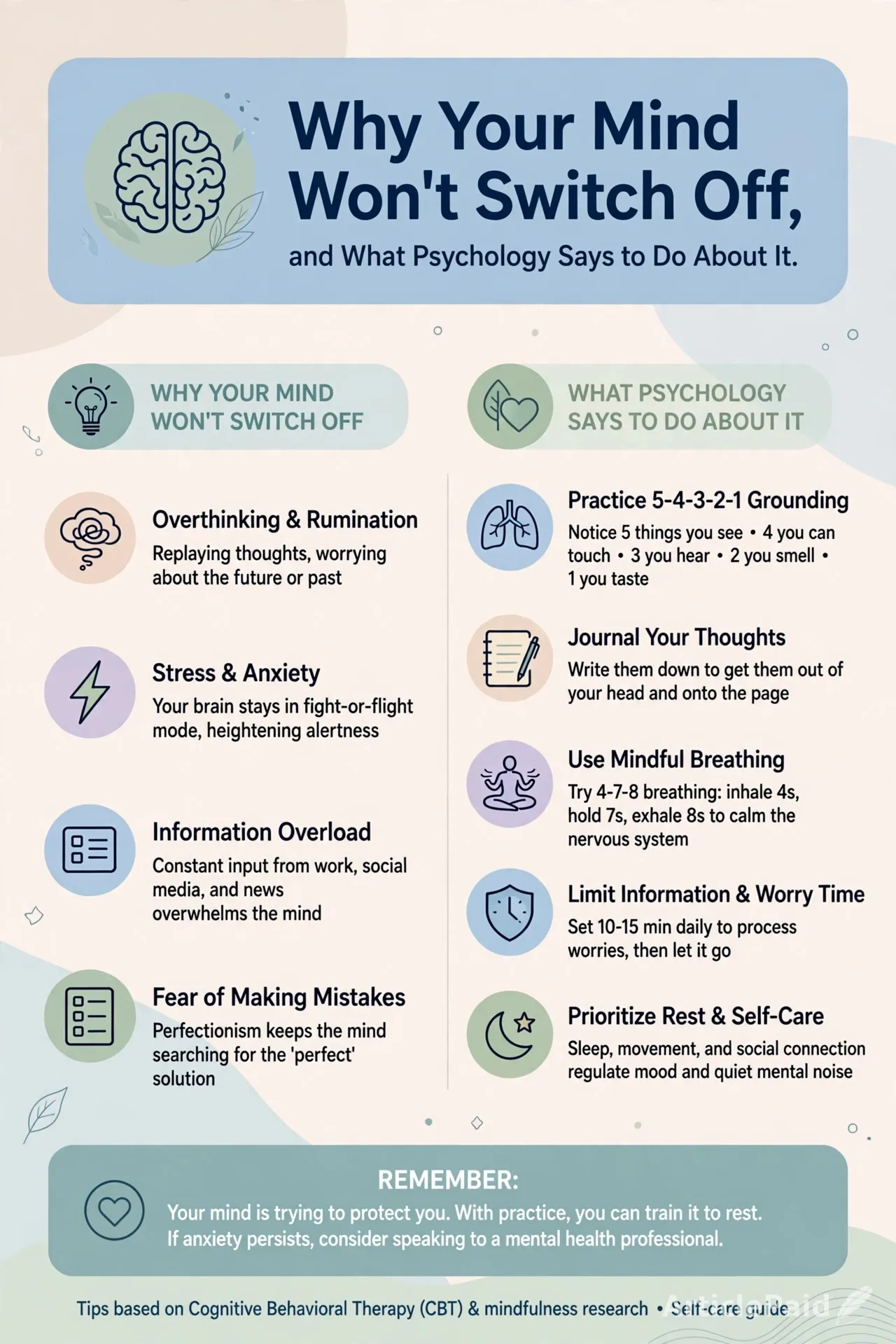
Why Your Mind Won't Switch Off, and What Psychology Says to Do About It
Last month's embarrassing text. Tomorrow's presentation. A decision you've already made but keep re-examining like it's evidence i...

Classic Caprese Salad: The Ultimate Healthy Dish Coursework
Introduction to Classic Caprese SaladClassic Caprese Salad is a traditional Italian dish made of fresh tomatoes, mozzarella cheese...








Responses (0)
Sign in to share your thoughts.
Sign in