
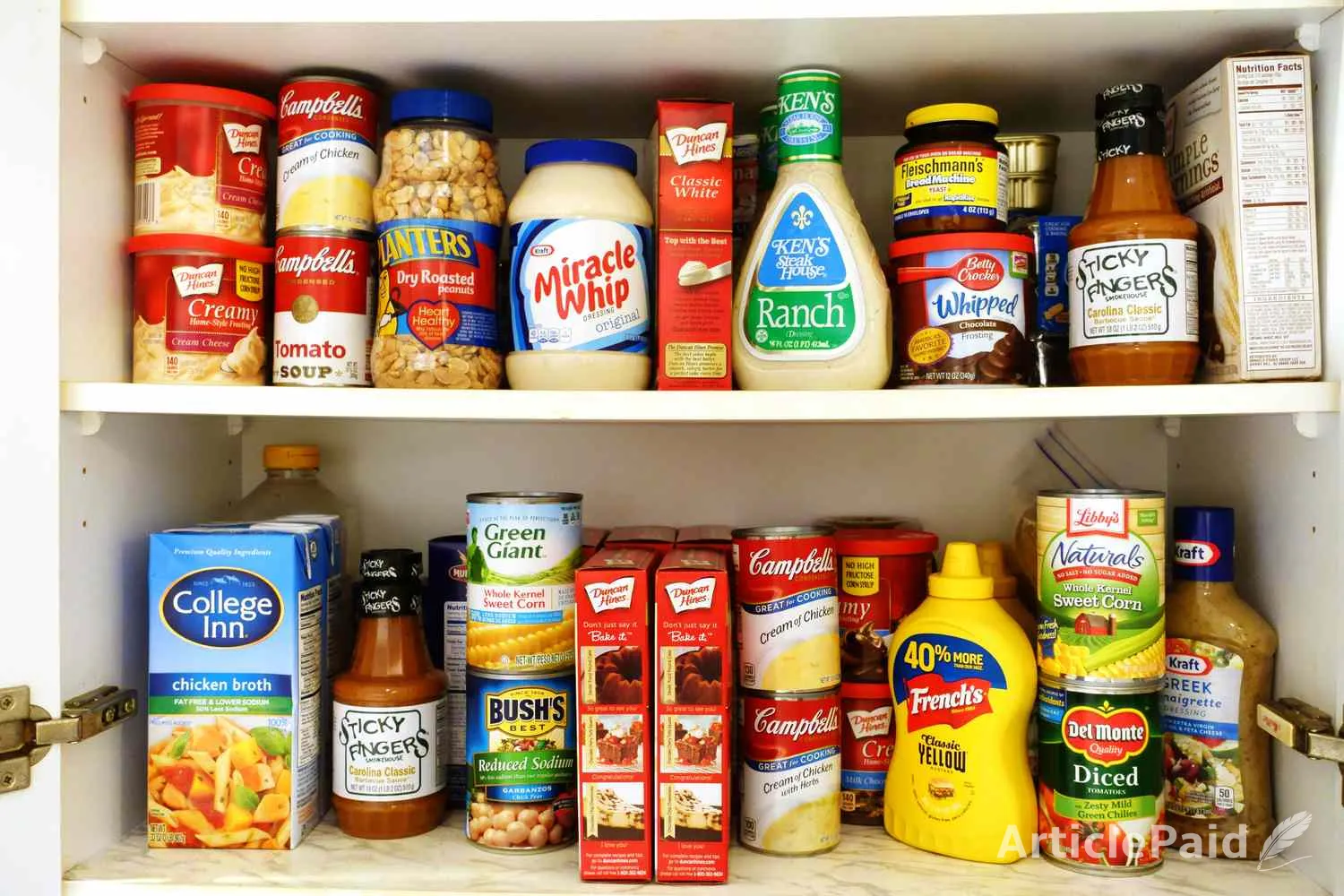
Why should you consider stocking up on emergency foods for a potential natural disaster? Fueling your body during a crisis is very different from your everyday diet. (Reflect on how an emergency fund differs from a savings account.)
If you do end up putting your emergency plan into action, eat foods high in protein and energy because you will probably use more energy than usual. Here’s what you should have on hand in advance and what you should buy right before an emergency, so you won’t have to wonder what to do when the power goes out.
Why Nutrition Counts in an Emergency?
If the emergency is caused by a disease, like the pandemic in 2020, it's especially important to eat healthy foods to stay healthy, and because you’ll have a limited supply in your emergency preparedness kit, the higher-quality foods you eat—and the fewer of them—the better.
Barry Swanson, emeritus professor of food science at Washington State University, states, "In a disaster or an emergency, you want those calories." "Something to maintain your normal diet—you want some nutrients and fiber." According to Elizabeth Andress, a professor emerita and extension food safety specialist at the University of Georgia, "In an emergency, generally you tend to think of meeting more basic needs than preferences and flavors. "However, you can have a great variety of foods and nutrients if you plan right." In this section, Andress and Swanson offer their opinions on the non-perishable and perishable items you ought to include.
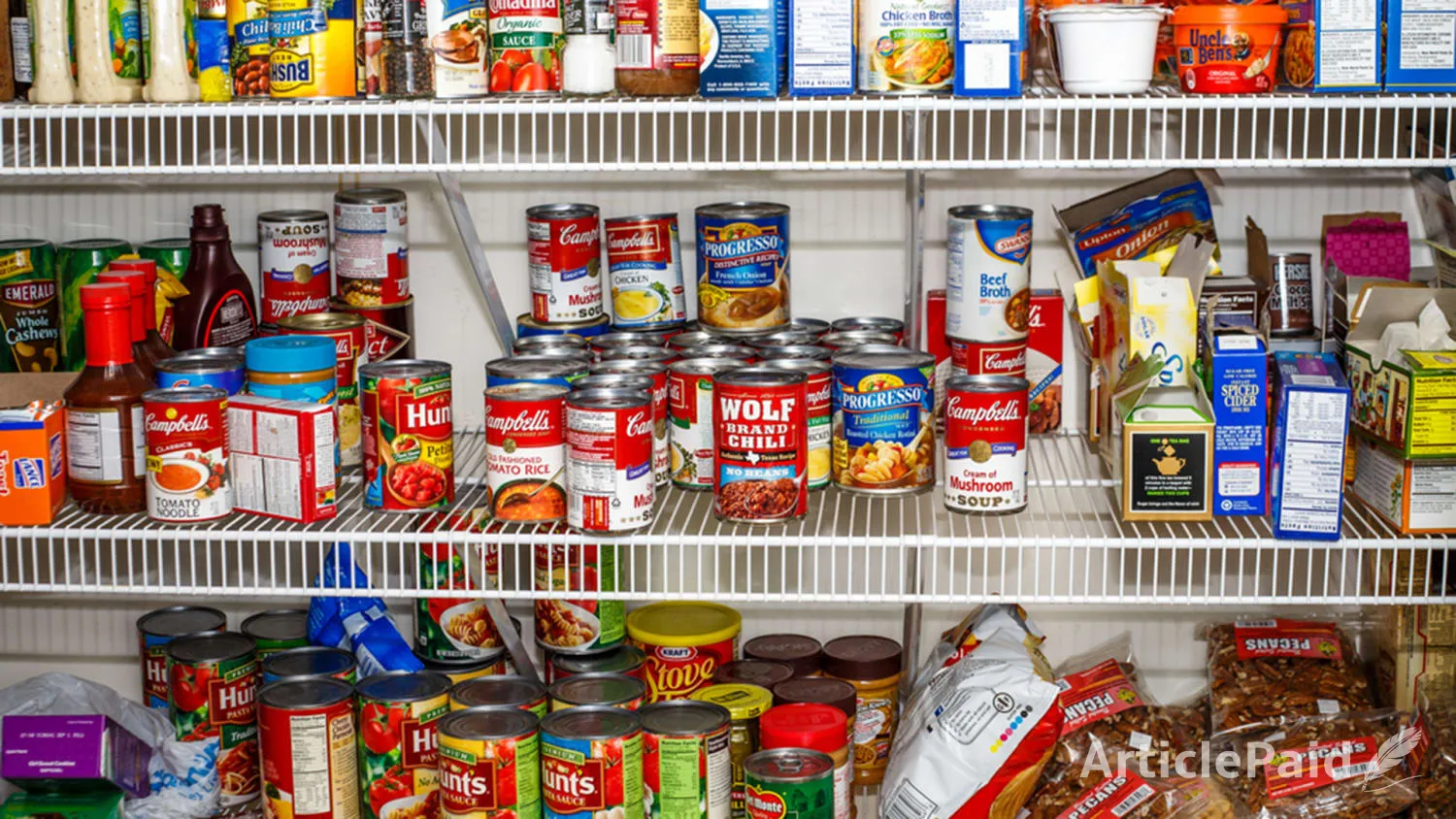
What Emergency Foods to Keep in Your Pantry?
Even if it isn't hurricane or tornado season, you can store non-perishable (or very similar) foods for a long time. Make a list of everything in your stockpile and check expiration dates every six to 12 months to keep things fresh. Also, don't forget to always have a can opener, either a manual one or an electric one. If you can't open a can, all that food won't be useful.
1. Peanut Butter
A great source of energy, peanut butter is chock-full of healthy fats and protein. Unless the jar indicates otherwise, you don’t have to refrigerate after opening.
Consider buying Teddie All Natural Super Chunky peanut butter—all-natural, gluten-free, and vegan-friendly peanut butter—which comes in 16-ounce jars.
2. Whole-Wheat Crackers
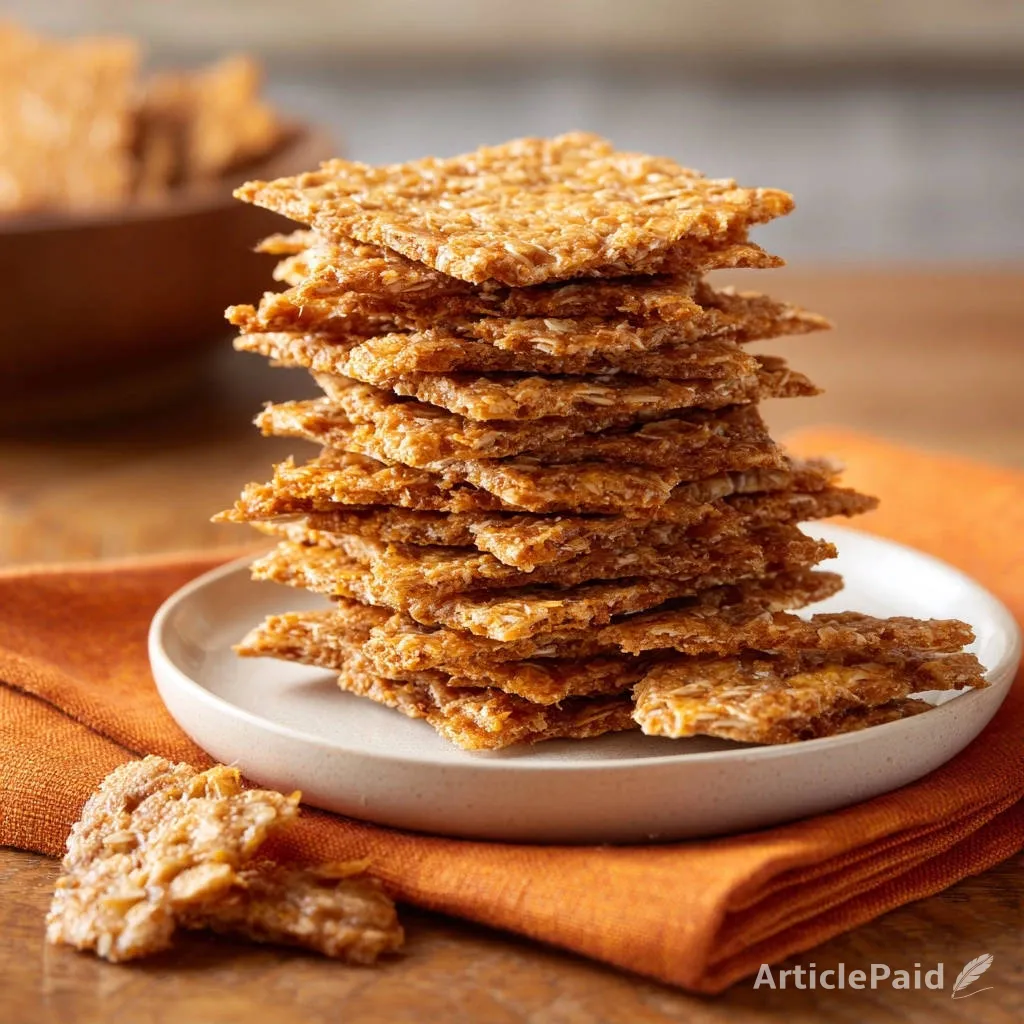
Crackers are an excellent substitute for bread and work well in sandwiches. Due to their higher fat content, whole-wheat or whole-grain crackers have a shorter shelf life than their plain counterparts (check the box for expiration dates), but the extra fiber pays off when you’re particularly hungry.
If you want to keep your crackers fresh longer, you might want to vacuum-pack them. You might want to think about purchasing either Wheat Thins or Hint of Sea Salt Triscuits. Trail Mixes & Nuts: These high-energy foods are healthy and easy to snack on during a hurricane, tornado, or other emergency. Stock up on them. Look for vacuum-packed containers, which prevent the nuts from oxidizing and losing their freshness.
3. Cereal
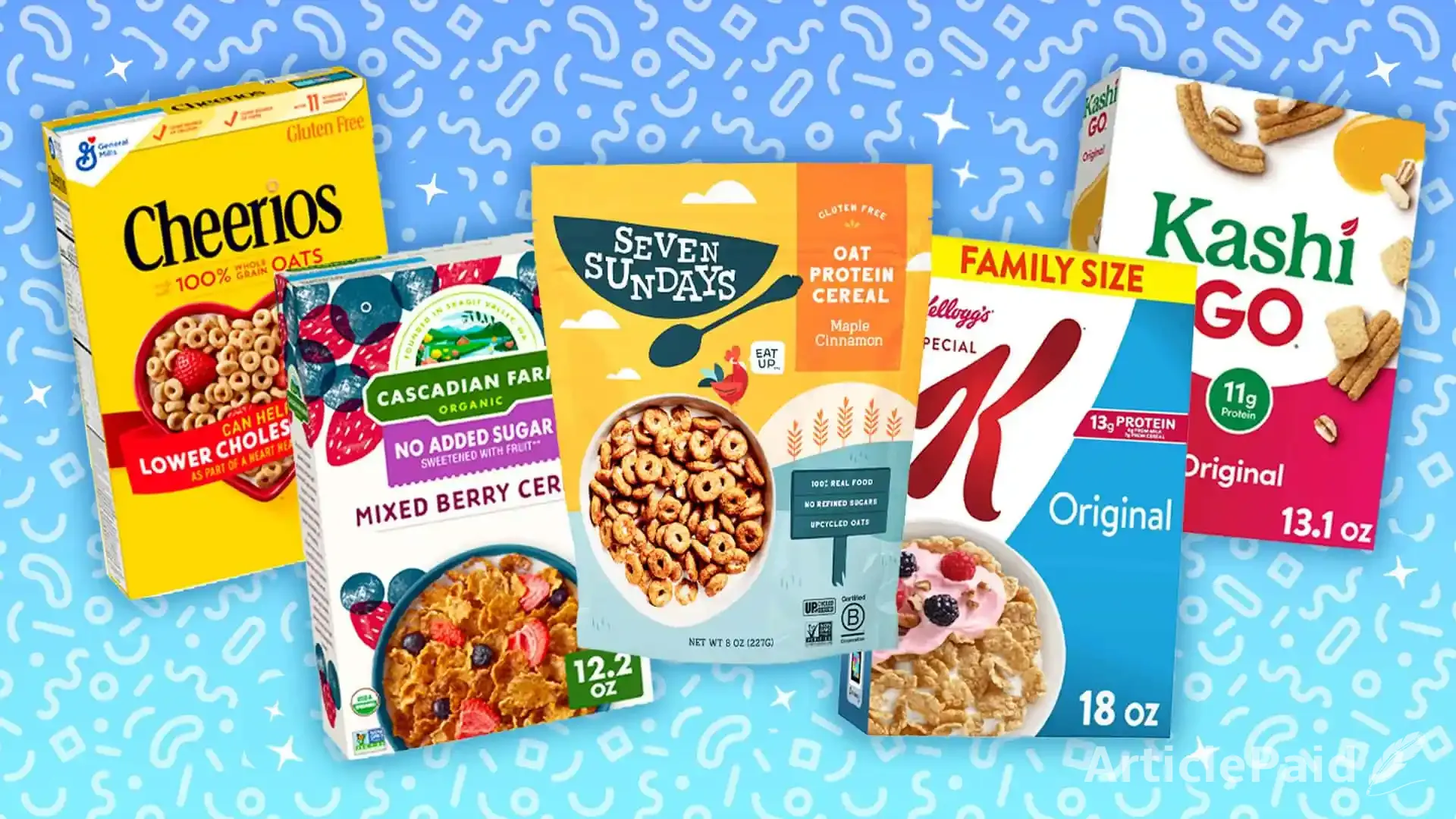
Multigrain cereals should be purchased in individually wrapped packages to avoid spoiling when opened. Additionally, cereals with a high fiber content and minimal added sugars will help you feel fuller for longer.
Caution: Read the expiration dates carefully before purchasing, because certain cereals have a short shelf life. Cereals that are loaded with sugar and meant for children have an even shorter shelf life.
4. Power Bars and Granola Bars:
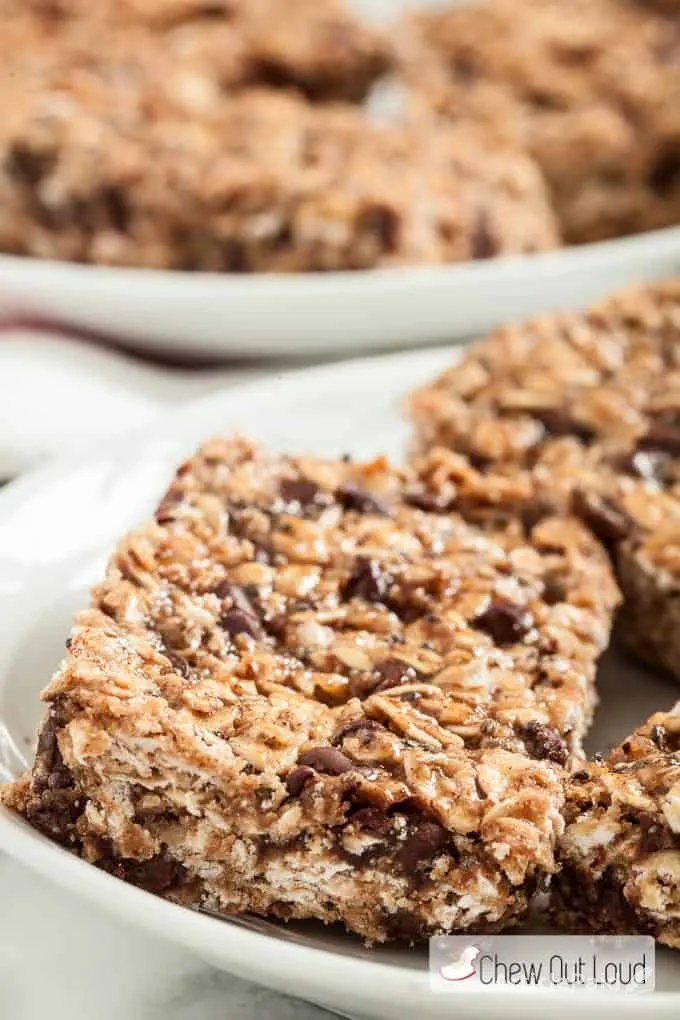
These portable snacks are usually good for you for at least six months and filling. Plus, they’re an excellent source of carbohydrates. “You can get more energy from carbohydrates without [eating] tons of food,” says Andress. Consider buying Nature Valley’s Variety Pack. Alternatively, one of the many delicious ways to consume oats is to make and store your own granola.
5. Dried Fruits (Like Apricots and Raisins)
These nutritious snacks offer potassium and dietary fiber in the absence of fresh fruit. “Dried fruits provide you with a significant amount of nutrients and calories,” says Swanson. Think about purchasing the Variety Box of Crispy Fruit, which includes freeze-dried packs of Asian pears, tangerines, and apples.
6. Canned Tuna, Salmon, Chicken, Beef or Turkey
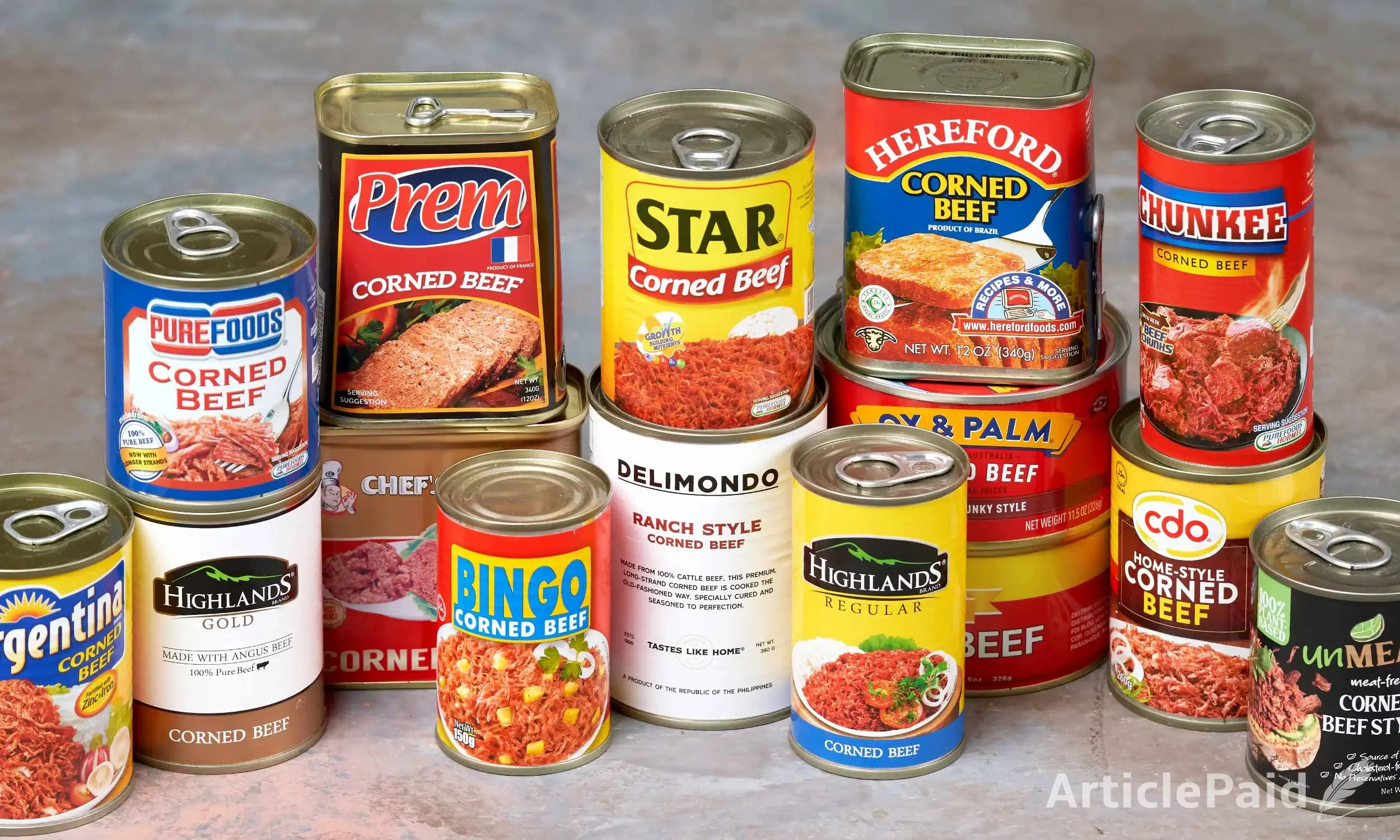
Canned meats are a great source of protein and typically keep for at least two years in the pantry. According to USDA meat and poultry hotline manager Diane Van, vacuum-packed pouches will last at least six months despite having a shorter shelf life. Additionally, if you do not have a can opener, vacuum-sealed packs may be useful. Consider buying a 12-pack of Safe Catch Elite Wild Tuna, which has the lowest mercury count of any brand on the market.
7. Canned Vegetables (Like Green Beans, Carrots, and Peas)
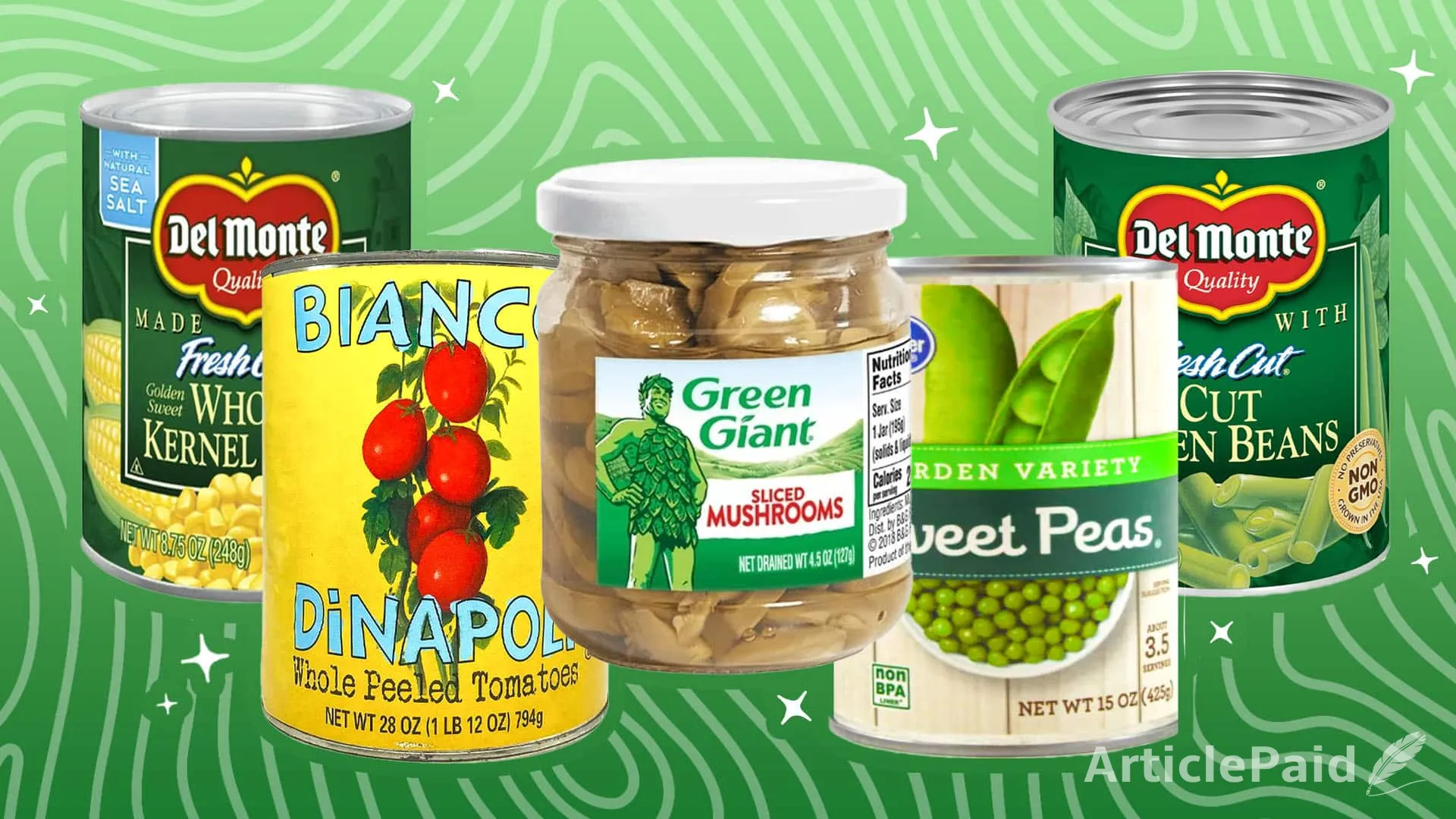
When the real deal isn’t an option, canned varieties can provide you with essential nutrients, making these a great hurricane food or natural disaster option.
Consider buying: Libby’s mixed vegetable cans.
Caution: Again, read the expiration dates on all canned goods regardless. Most canned goods have a shelf life of at least two years; any date past the expiration date is considered unsafe to open or eat.
8. Canned Beans
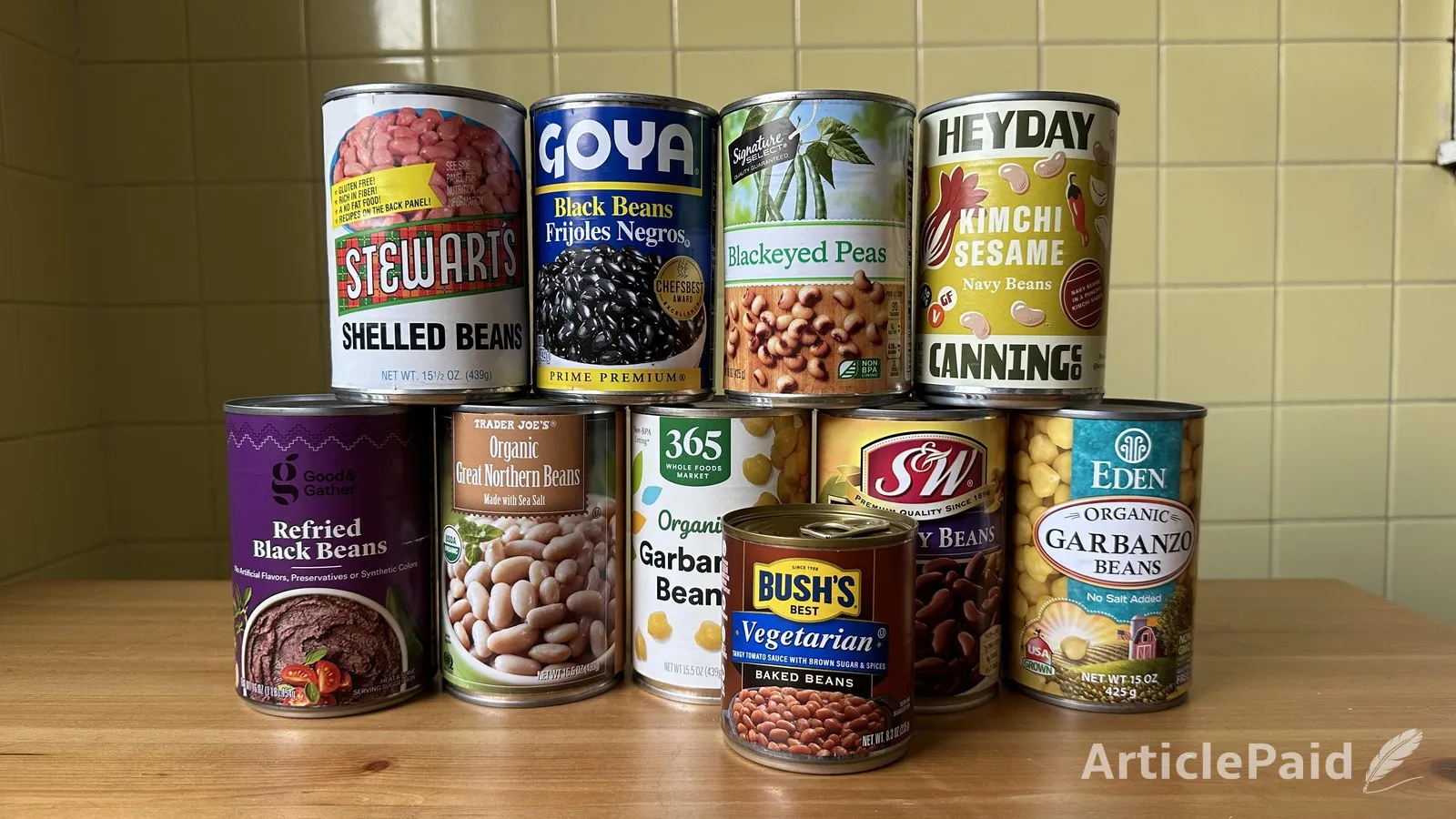
Along with fiber, potassium, and iron, canned beans like chickpeas, black beans, and white beans, among others, are a good source of protein. You can eat them straight out of the can, too, if you aren’t able to cook them or warm them up.
9. Canned Soups and Chili
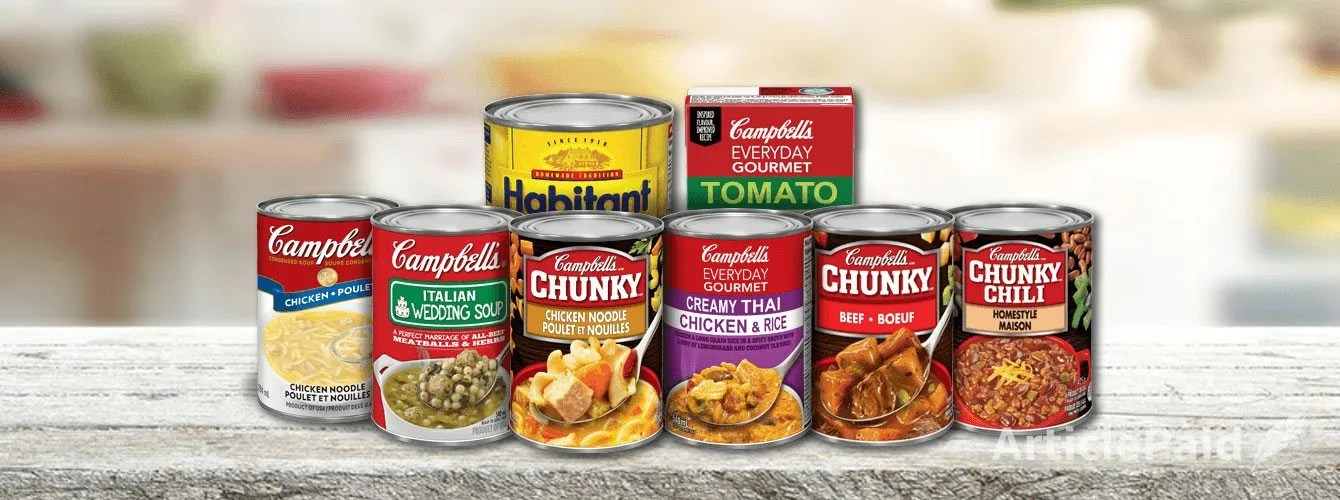
Chili and soups can also be consumed right out of the can. Additionally, they supply a variety of nutrients. Look for options with low sodium and beans for extra protein.
10. Dry Pasta and Pasta Sauces
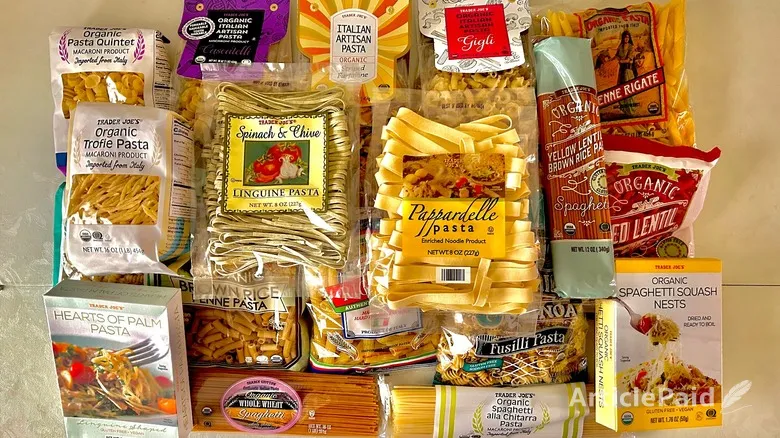
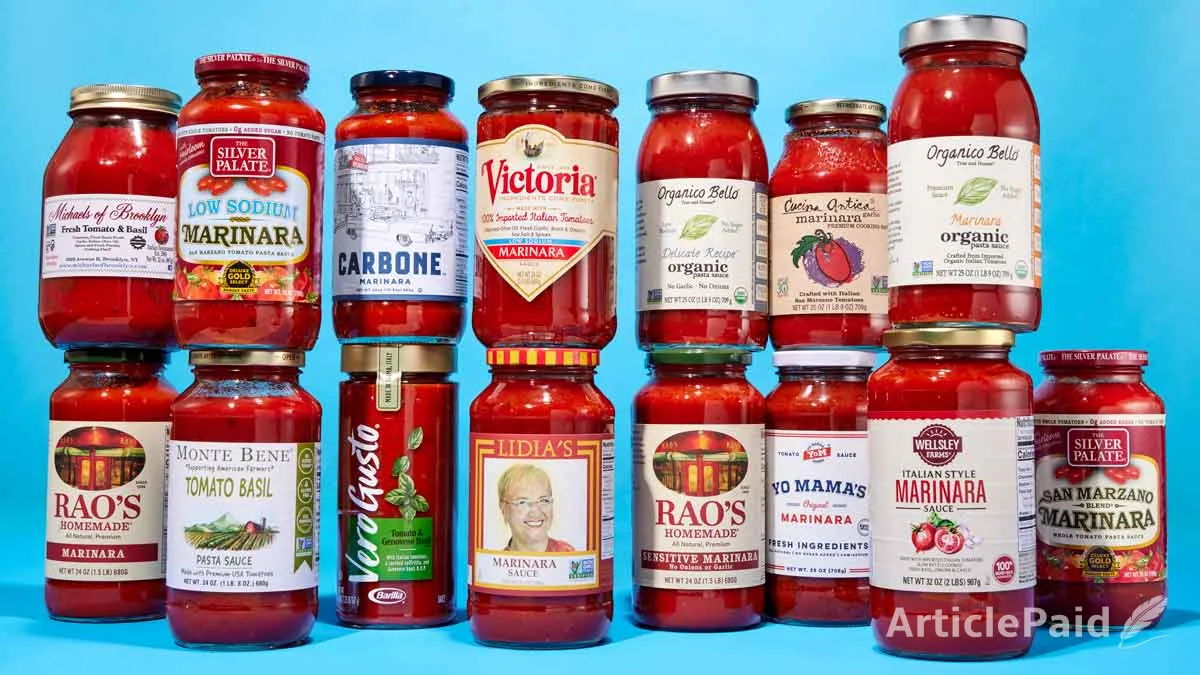
Pasta is filling, and dry pasta and jarred sauce can last on pantry shelves for months. If someone in your household has dietary restrictions, look for gluten-free pasta or pasta made from chickpeas (or another alternative).
11. Quinoa or Brown Rice
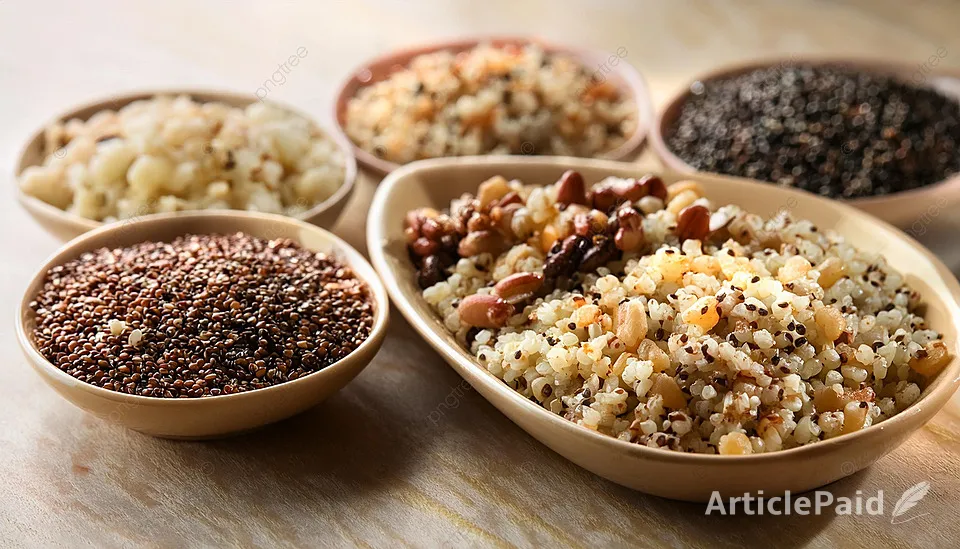
Quinoa and brown rice are whole grains that are nutrient-dense (think fiber, protein, and complex carbohydrates) and easy to store. Combined with the canned veggies on this list, you can easily whip together a hearty bowl. And you don’t need to worry about them going bad because they can last for years in your pantry.
12. Bottled Water
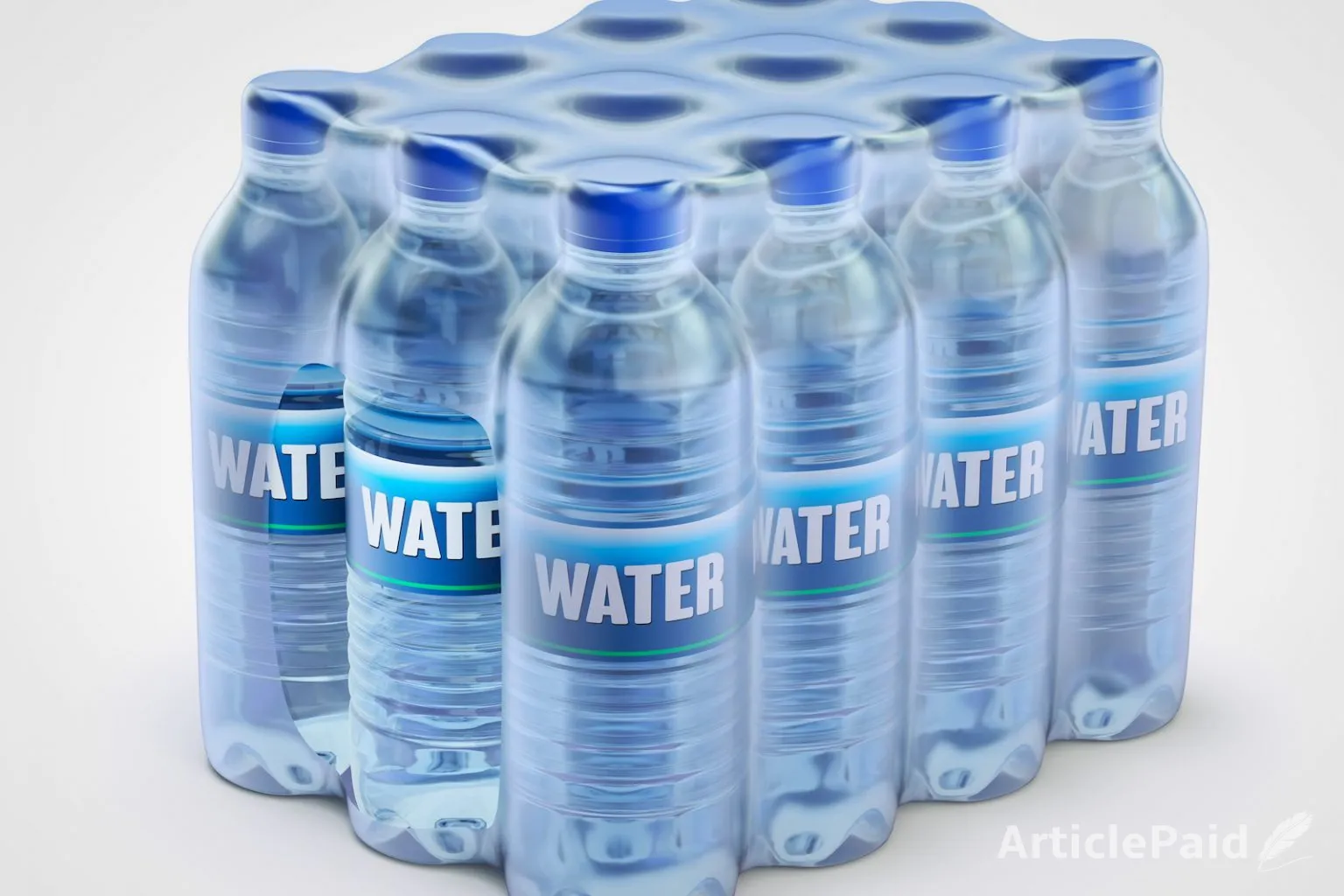
It’s important to drink enough water every day. Try to stock at least a three-day supply—you need at least one gallon per person daily.
1. "A normally active person should drink at least a half gallon of water each day,” Andress says. “The other half gallon is for adding to food and washing.” To ensure everyone stays hydrated, purchase a case of water that comes with essential minerals added to it. Electrolytes have been added to Essentia's bottled water to help you stay hydrated and make it taste better.
13. Sports Drinks (Like Gatorade or Powerade)
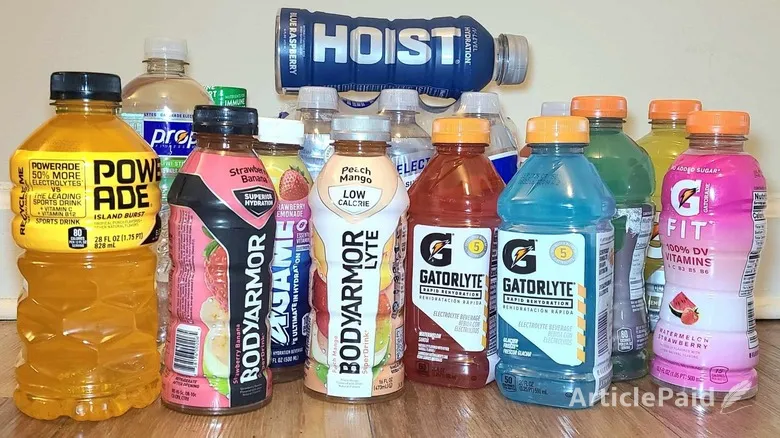
Sports drinks have carbohydrates and electrolytes that can help you stay hydrated and get your fluids back when you don't have much water. Simply check to see that the sports drink of your choice does not contain excessive sugar or artificial sweeteners. Consider buying Nooma, an organic electrolyte-enhanced drink made with coconut water and natural sea salt.
A Word of caution: Power drinks are good for electrolytes and antioxidants, but it's best to drink water right behind to dilute it so the effects of hydration last longer. Otherwise, drinking power drinks like Gatorade or Powerade straight will dehydrate your body even faster, especially after stressful activities, in an emergency, or otherwise, like a sports event.
14. Milk in Poudre:
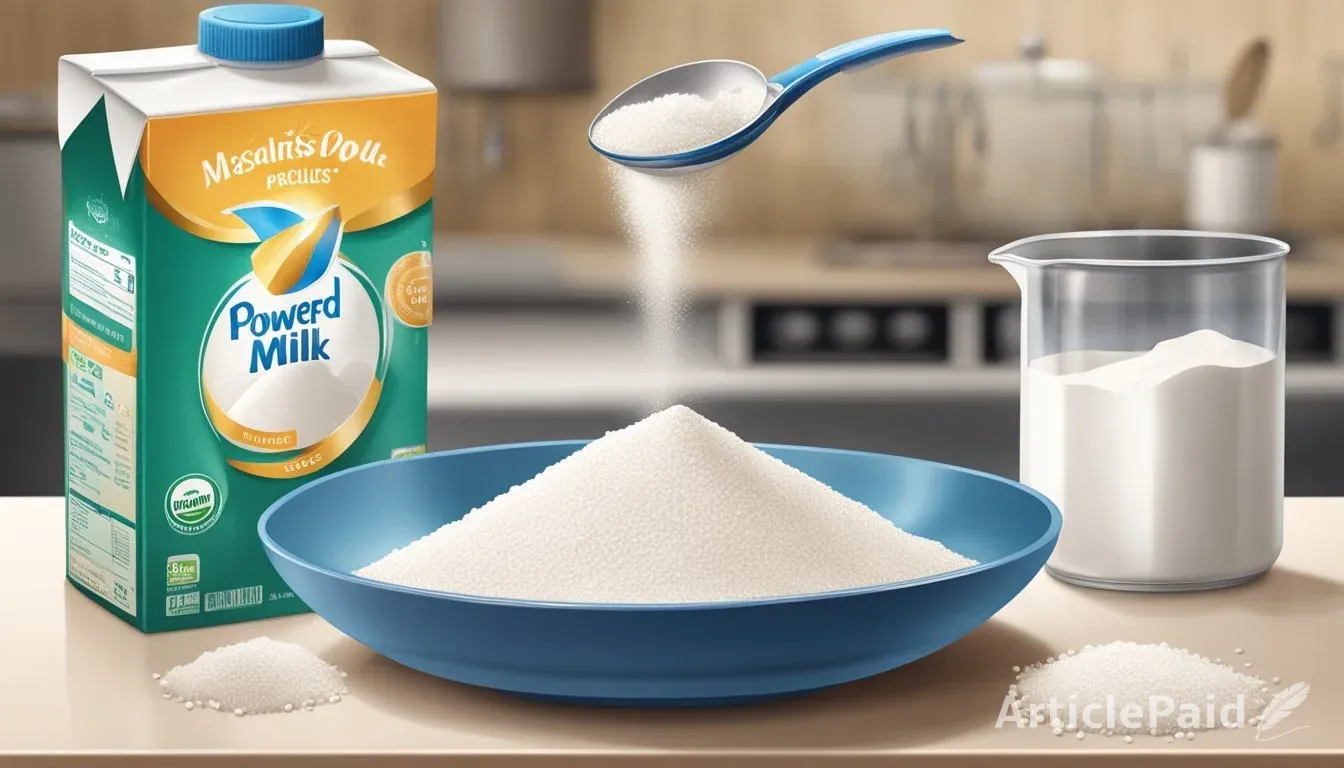
Almost all dairy products require refrigeration, so stock this substitute for an excellent source of calcium and vitamin D when fresh milk isn’t an option.
15. Spices, Bouillon, Coffee, and Tea
 If you have access to a propane or charcoal stove, you may be doing some cooking. A basic supply of seasonings and sweeteners will improve the flavor of your food, both fresh and packaged. Properly stored flour can last up to two years (vacuum-sealed), so it might be worthwhile to keep a small amount on hand. If you can boil water, you should also keep a stockpile of instant coffee or tea bags, which have many other uses besides brewing tea, like soothing minor cuts and burns and even reducing swelling if you get injured or sick.



















Responses (0)
Sign in to share your thoughts.
Sign in